Start with a name, then choose the sill
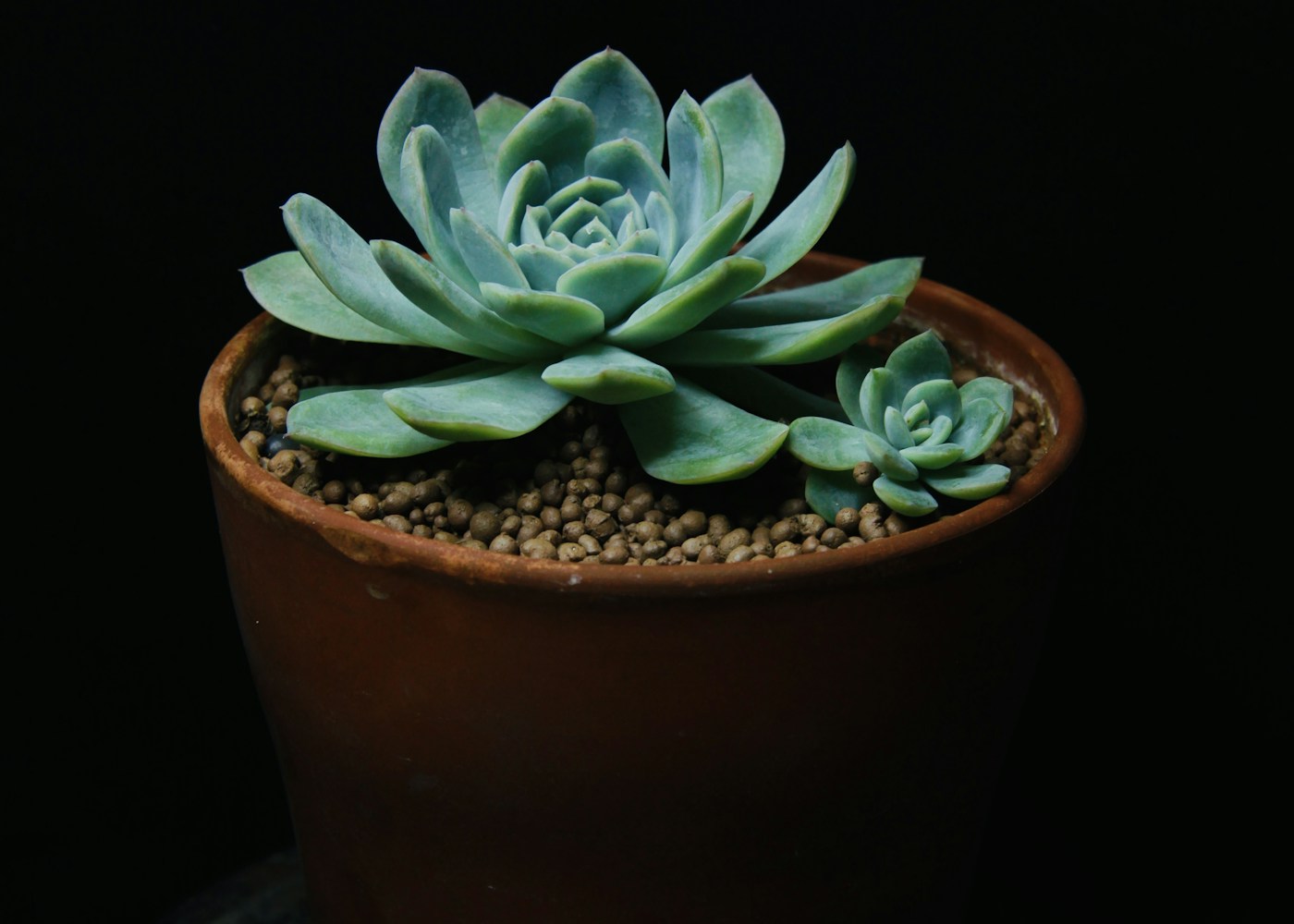
Succulent describes a water-storing habit, not a single set of growing instructions. A tightly packed Echeveria rosette, a jade plant with woody branches, and a shaded-forest holiday cactus do not want identical treatment. Before assembling a collection, identify the plants as closely as possible. That makes the windowsill a growing environment you can plan, rather than a row of unrelated ornaments watered together because their labels all use the same word.
For a typical sunny-sill collection of rosette succulents and jade plants, light and drainage are the first priorities. A shallow dish without a drainage hole may look attractive for a photograph, but it leaves very little margin for correcting a wet mixture. A row of individual draining pots inside a tray gives each plant its own watering decision. You can still create a cohesive display through similar pot colors and spacing without forcing different root systems into one container.
Find out how much sun actually reaches the leaves
Stand beside the sill at several times on a clear day and observe where direct sunlight lands. An apparently bright room may receive only a short beam before a neighboring building blocks the window. Many sun-loving succulents become stretched indoors because they receive less usable light than expected. The solution may be a brighter position or supplemental lighting, rather than less water and more fertilizer. Water restriction cannot create the compact form that adequate light supports.
Introduce sun gradually when moving a plant from a shop or shaded shelf. Strong exposure can scorch previously protected leaves, particularly through hot glass. Leave space around the pots so foliage does not press against the pane. Outdoor summer placement can help some collections, but acclimate plants slowly and consider rain, wind, and local nighttime temperatures. A plant adapted to indoor shade should not be put directly into an exposed afternoon sun position.
Read stretching before it becomes a rescue project
An Echeveria developing wider gaps between leaves and a stem that reaches toward the window is showing etiolation, or stretched growth. A jade plant may produce long thin shoots with widely spaced leaves. Rotate a pot to improve balance if light comes from one side, but recognize that rotation does not increase the amount of light. If every side stretches in turn, the site itself needs improvement.
Existing elongated stem sections do not contract after you provide better conditions. Judge the new growth. Once it becomes compact and healthy, you can consider pruning or restarting a suitable top cutting to improve the plant's shape. Do not make several dramatic changes at once while roots are weak. Correct the growing environment first, then address appearance. A stretched but living plant can provide healthy propagation material if the chosen species and cutting method are appropriate.
Choose a mixture with structure
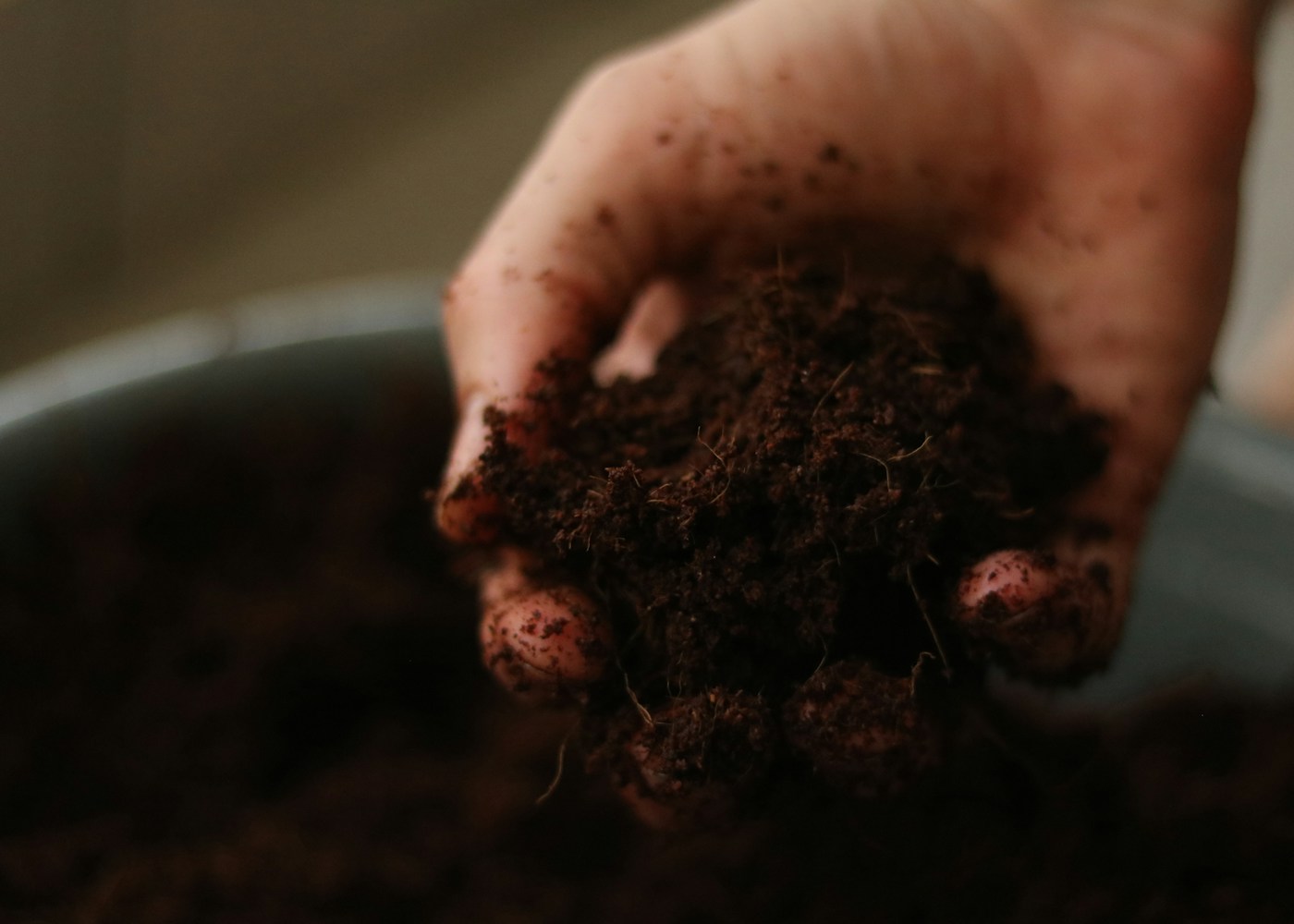
A suitable succulent mix should wet reasonably evenly and then release surplus water while retaining air spaces. Products vary greatly despite similar labels. A very fine peat-heavy mixture can stay wet indoors, while an excessively coarse mixture may dry inconveniently fast in a tiny terracotta pot. Look at the texture and match it to the room. Coarse mineral ingredients can improve structure when combined appropriately, but a handful of fine sand does not automatically create good drainage.
Use a pot with holes and keep them open. Gravel placed beneath dense compost does not turn a sealed bowl into a freely draining container. A decorative stone top dressing can also hide whether the underlying mixture is damp. Leave part of the surface accessible for checking, and choose a container proportionate to the roots. Extra-deep pots filled mostly with unused wet mix make an already slow-drying winter setup harder to manage.
Water fully when it is time
For many commonly grown dryland succulents, allow the mixture to dry thoroughly before watering again. Check deeper in the pot rather than relying only on surface color. When water is needed, wet the root ball evenly and allow surplus to drain. A measured splash every few days can leave the root zone unevenly hydrated while keeping the top repeatedly damp. Good drainage and a genuine drying interval work together; neither replaces the other.
Avoid collecting water in tightly packed rosettes when possible, particularly in cool conditions with little airflow. Water the mix with a narrow-spouted can or use a brief bottom soak, then drain completely. If an old dry mixture repels water, soak just long enough to restore moisture instead of leaving the plant in a permanent water tray. Check the inner pot after returning it to a decorative sleeve, since runoff can continue for a while.
Learn which leaf signals deserve action
Slight loss of firmness or gentle wrinkling in otherwise healthy leaves can accompany drying, but similar symptoms can occur when roots have decayed. Check the mixture and root condition before assuming the plant is thirsty. Transparent, mushy leaves or a soft dark base are more concerning than a single dry oldest leaf. Do not keep watering a collapsing plant simply because it looks dehydrated. Failed roots cannot use additional water normally.
Lower leaves on some rosette succulents dry as the plant grows. Remove them gently when fully dry and easy to detach, keeping the base clear of trapped debris. Avoid pulling firmly attached leaves from a weak plant. Powdery coatings on certain species are natural protective waxes and are easily marked by fingers. Handle these plants by the pot and avoid polishing their foliage. The coating does not need to be cleaned away to make the leaves look healthy.
Treat winter as a change in growing conditions
Shorter days, cooler roots, and weaker sun often slow growth and lengthen drying intervals indoors. A sunny winter window may still provide less total light than a bright summer position. Check moisture less frequently if the pot remains dry for long periods, but do not impose a rigid winter drought on every succulent species. Holiday cacti, winter-growing types, and plants under strong grow lights may need a different pattern from summer-growing dryland rosettes.
Protect foliage from cold glass and frost through opening windows. A sill above a heater can combine cold nights with hot dry daytime air, so check both the root temperature and the leaves. Avoid feeding heavily during a period of little growth. Fertilizer cannot replace missing winter light, and rapid weak growth is not an improvement over a compact plant resting steadily. Resume feeding according to the plant's activity and the product's instructions.
Repot without damaging the growing point
Repot when the mixture has deteriorated, roots densely fill the pot, or the existing container makes watering unmanageable. Choose a modest increase in size and preserve sound roots. Remove clearly decayed tissue with clean tools, and let wounds dry appropriately before exposing them to prolonged moisture. Keep the stem or rosette base above the mixture rather than burying it for stability. A plant set too deeply may collect damp debris around vulnerable tissue.
Some succulents produce offsets that can be separated once they have enough substance and, ideally, roots of their own. Others root from stem or leaf cuttings, but the method depends on the species. Not every detached succulent leaf will grow into a plant. For suitable cuttings, allow the wound to callus in a shaded airy place, then provide the appropriate rooting setup. Continuous misting of fresh wounds is a common route to rot rather than a guarantee of roots.
Inspect the places that a tidy display hides
Mealybugs can shelter in rosette centers, leaf joints, and around pot rims. Root pests may be less visible. Check closely before adding a new purchase to the row, and keep it separate while you observe it. White cottony material should be examined rather than dismissed as harmless wax. On the other hand, the uniform powdery coating on an entire leaf can be normal. Identification prevents unnecessary treatment that might permanently mark the plant.
Choose any pest treatment according to its label for the species and setting. Some succulents react badly to oils, alcohol, or strong sprays, especially in bright sun. Test only as directed and protect growing points from excess wetness. Keep the sill free of decaying leaves and avoid crowding pots so tightly that inspection is impossible. Species safety also varies: some succulents are irritating or toxic if chewed, so identify plants before displaying them around children or pets.
Build a collection that can be watered individually
A practical sill might hold an Echeveria in the brightest section, a jade plant where it has room to branch, and a less sun-demanding Haworthia slightly farther from the strongest beam. Keep each in its own draining pot and label unfamiliar species discreetly. Check them separately rather than pouring down the row in one motion. If one pot remains wet while another dries, that is information about their different roots and containers. The display becomes easier to maintain when its visual rhythm does not require an identical care routine.
Leave enough space between pots to lift each one without catching a neighboring rosette. Cracked leaves and rubbed protective coatings often result from routine handling in an overcrowded display. A little empty sill is useful working space, especially when a plant needs closer inspection or a careful drink at the sink.
Plan holiday care around the actual season and each species. Many established dryland succulents can manage a short absence after an appropriate watering and complete drainage, but small pots in strong summer heat may dry much sooner. Avoid moving every plant into a dark cupboard to reduce demand. Instead, choose a slightly gentler bright position and arrange a knowledgeable checker if needed. Give instructions for specific pots rather than a blanket request to water the collection daily. Test any automatic watering device beforehand, since constant moisture may be unsuitable for the plants it serves.
Further reading
Horticultural references for continued learning: