Build a Simple Year-Round Plant Journal You Will Keep Using
A plant journal is useful only if it is easy enough to continue. A beautiful blank notebook can become another gardening obligation, while a few dated observations can explain why one pot…
 A little greener, every day.
A windowsill. A quiet corner. A place to grow.
Discover the simple joy of caring for plants,
wherever you call home.

Small discoveries. Lasting green.
A plant journal is useful only if it is easy enough to continue. A beautiful blank notebook can become another gardening obligation, while a few dated observations can explain why one pot…
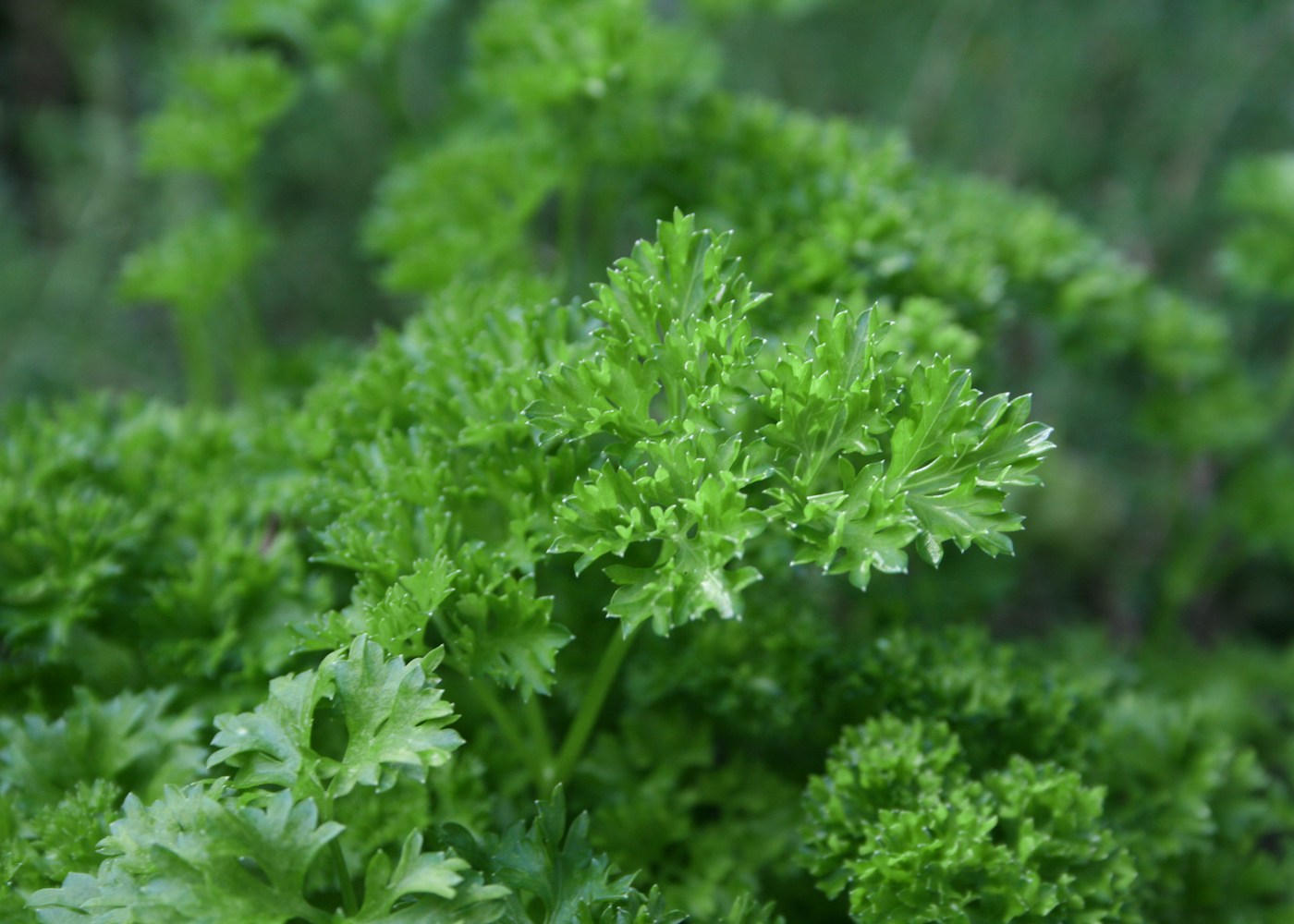
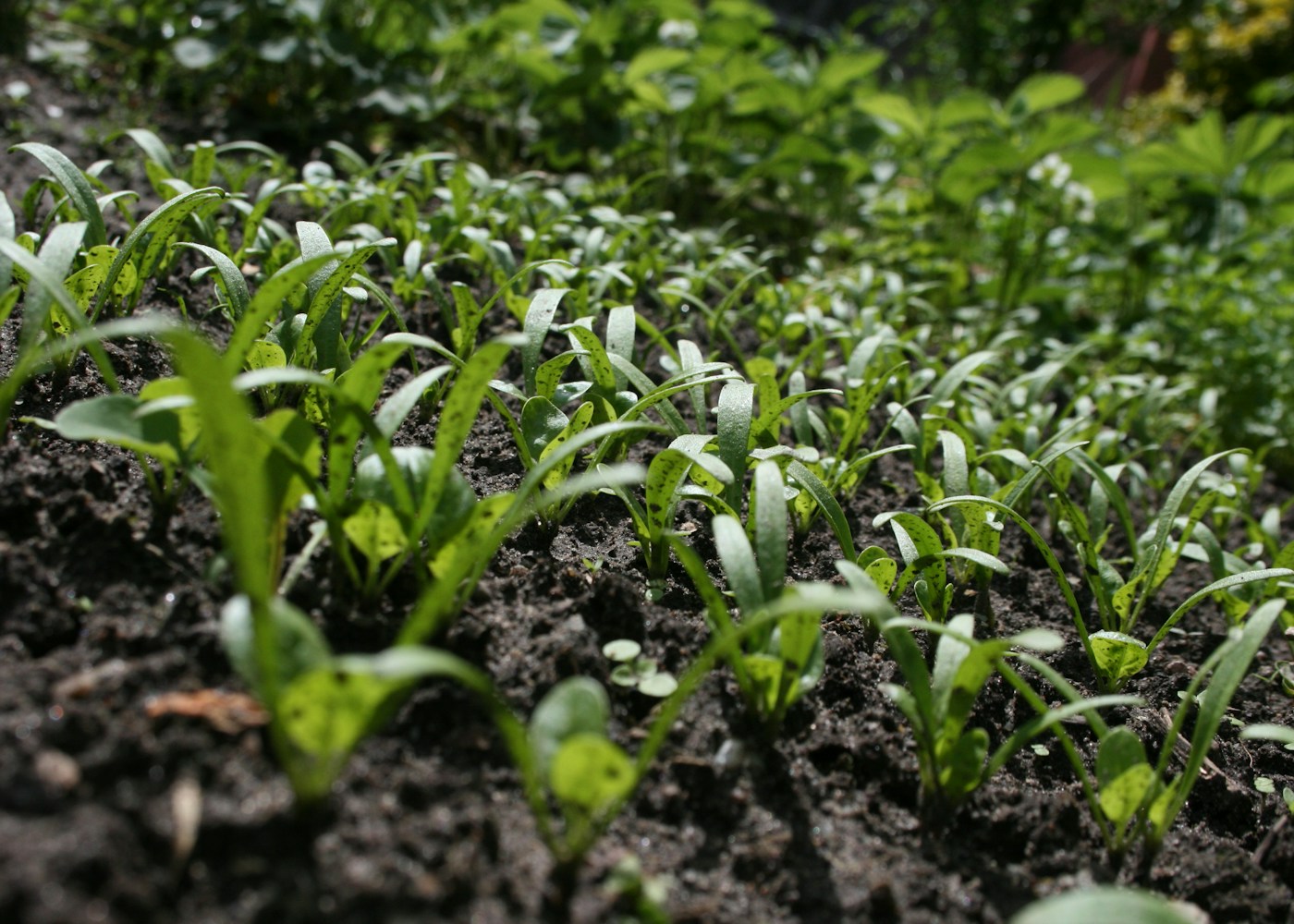
Parsley asks for patience before it asks for much harvesting. Its seedlings can appear slowly, leaving a pot that looks empty while other herbs are already growing.
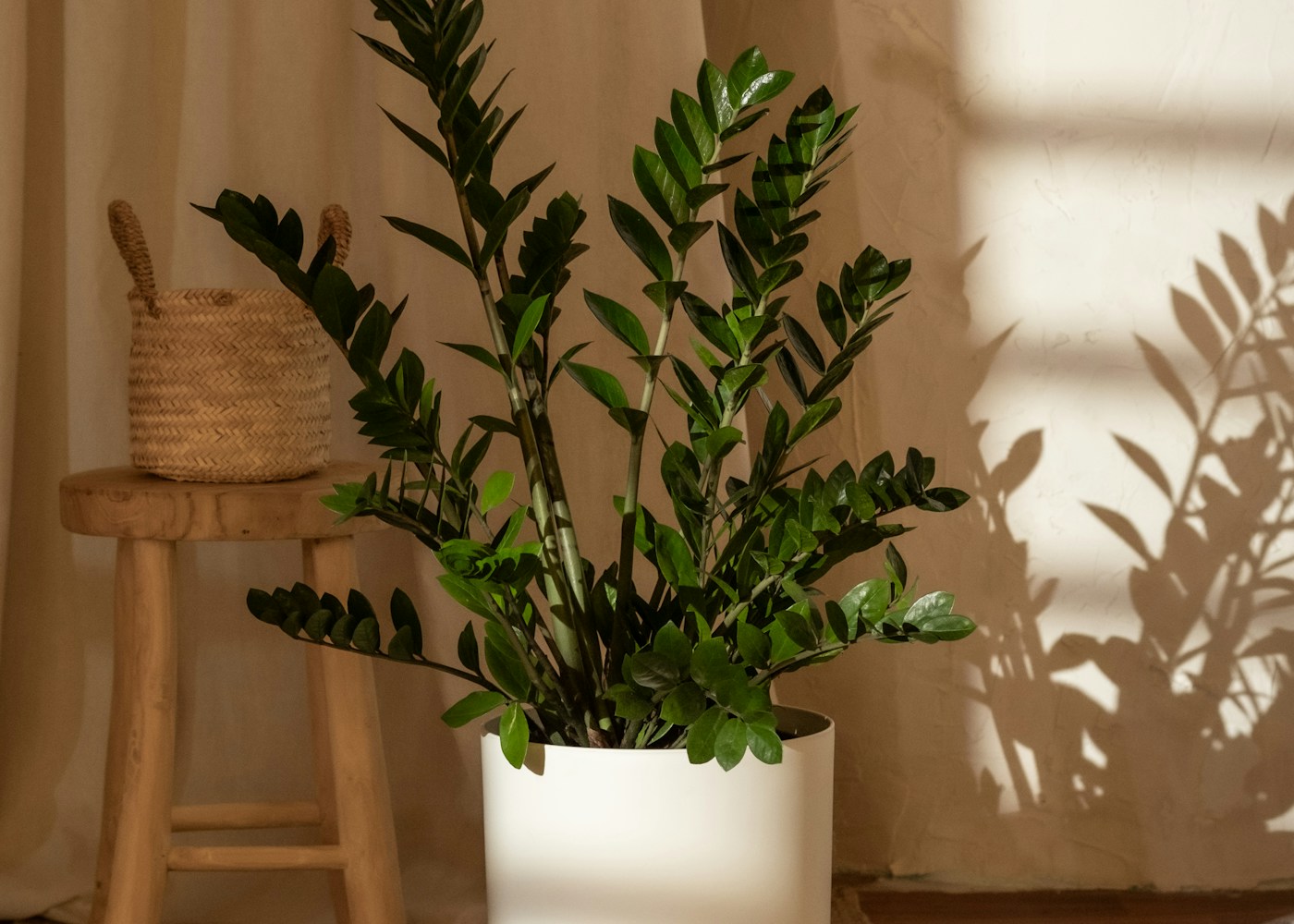
A ZZ plant can spend a long time looking unchanged and then produce a surprising flush of new stems. That pause is part of its appeal in a home, but it can also lead an attentive owner to interfere too often.
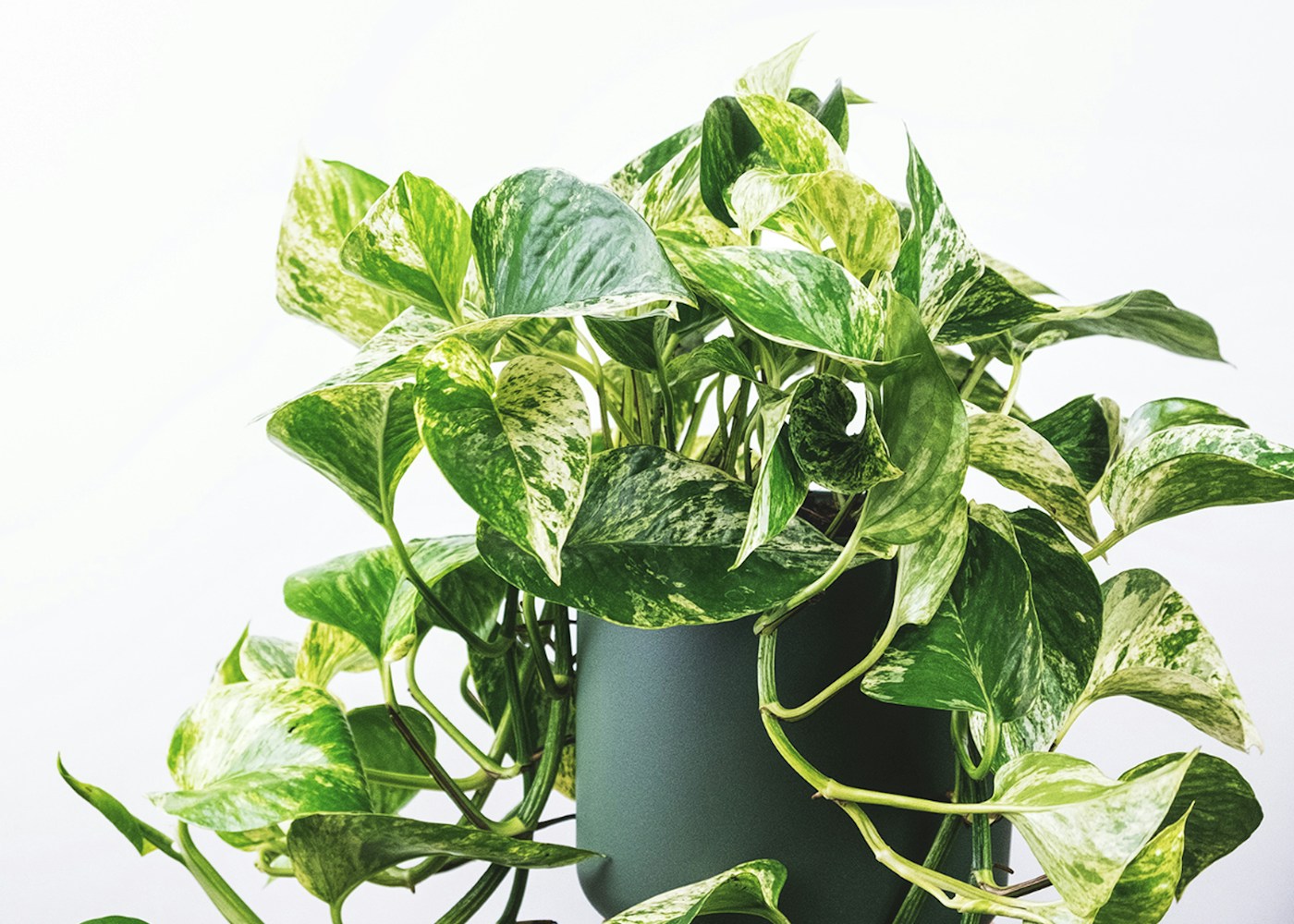
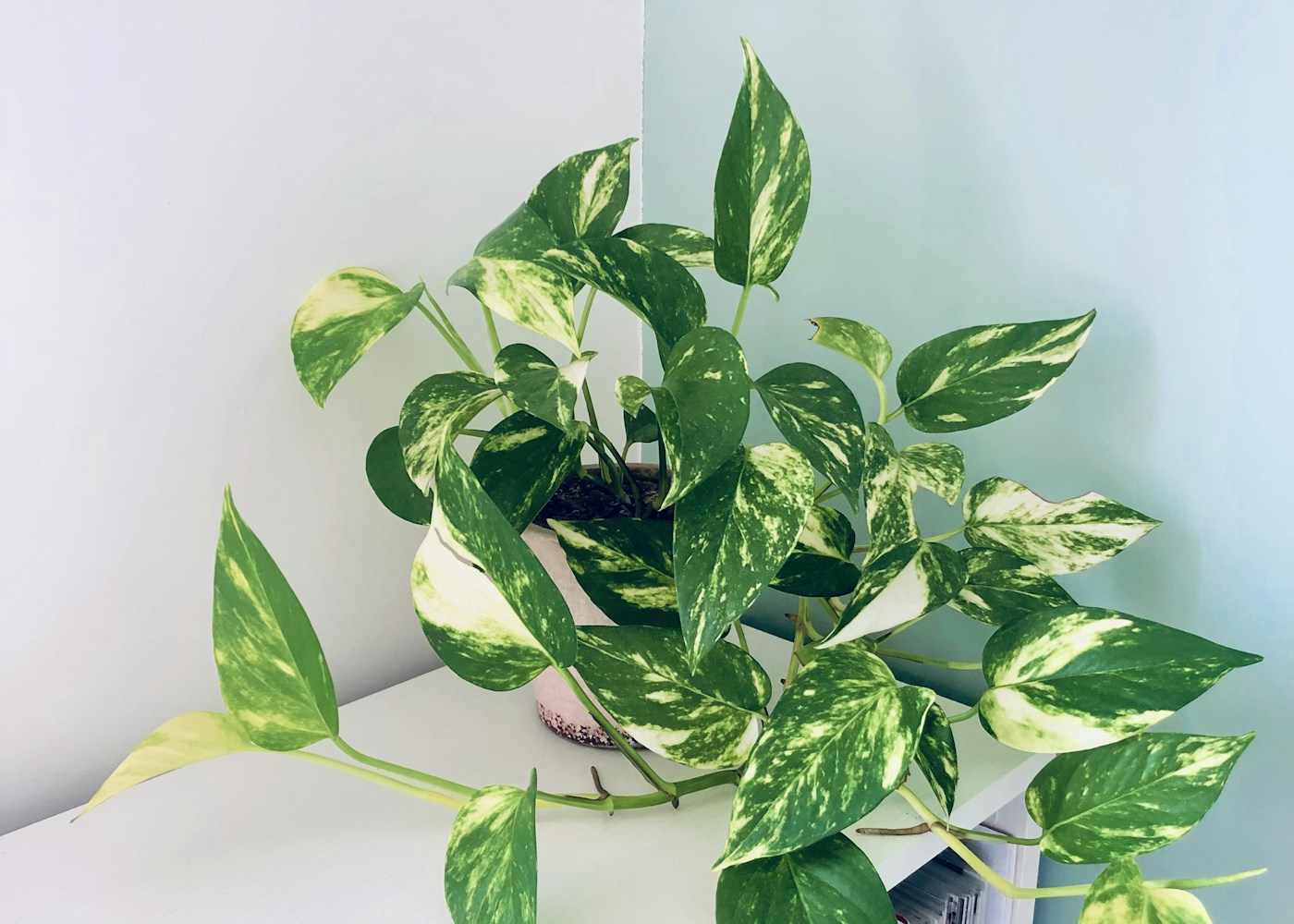
Pothos is often sold as a plant that will put up with almost anything.
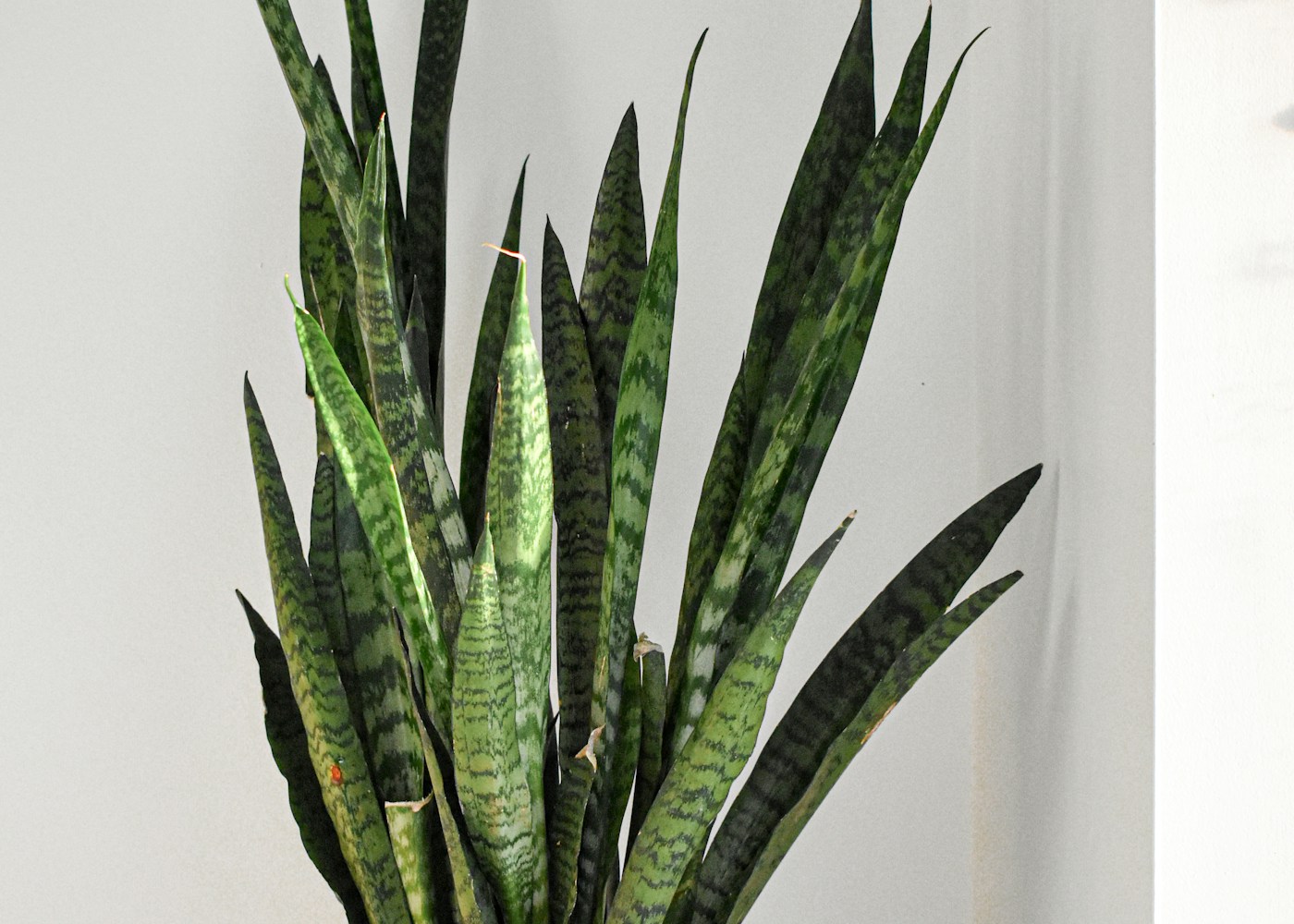
A snake plant is forgiving of a missed watering, which is not the same as enjoying a dark, permanently damp pot.
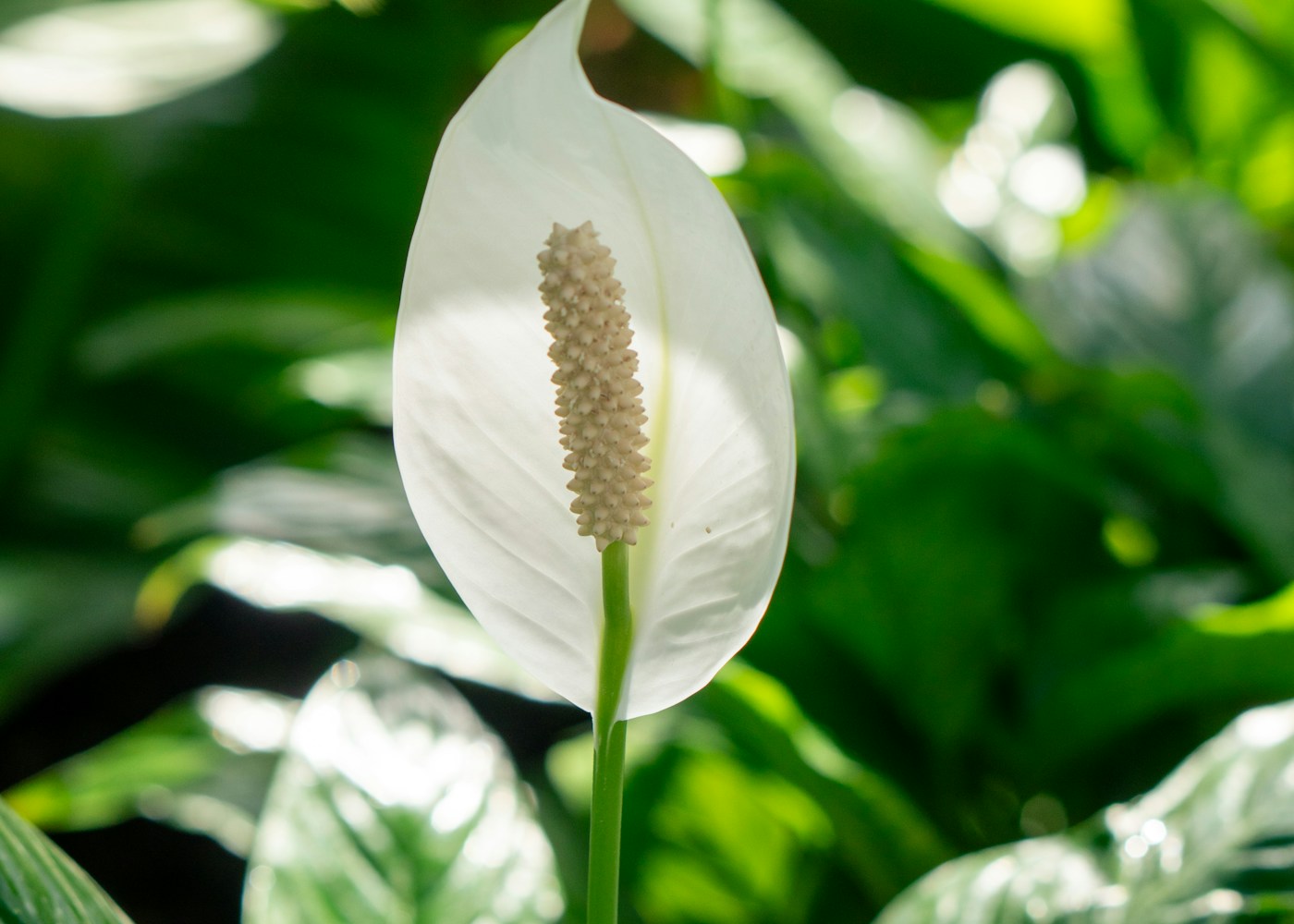
A peace lily can go from upright to collapsed with theatrical speed. It is tempting to use that droop as a watering alarm, but a plant with waterlogged or damaged roots can wilt too.
A fern on a bathroom shelf looks effortless in a photograph. In an ordinary home, the bathroom may have very little light, the window may be opened in cold weather, and the plant may dry between showers.
No perfect schedules. No complicated rituals. Just a better understanding of what your plants are telling you.
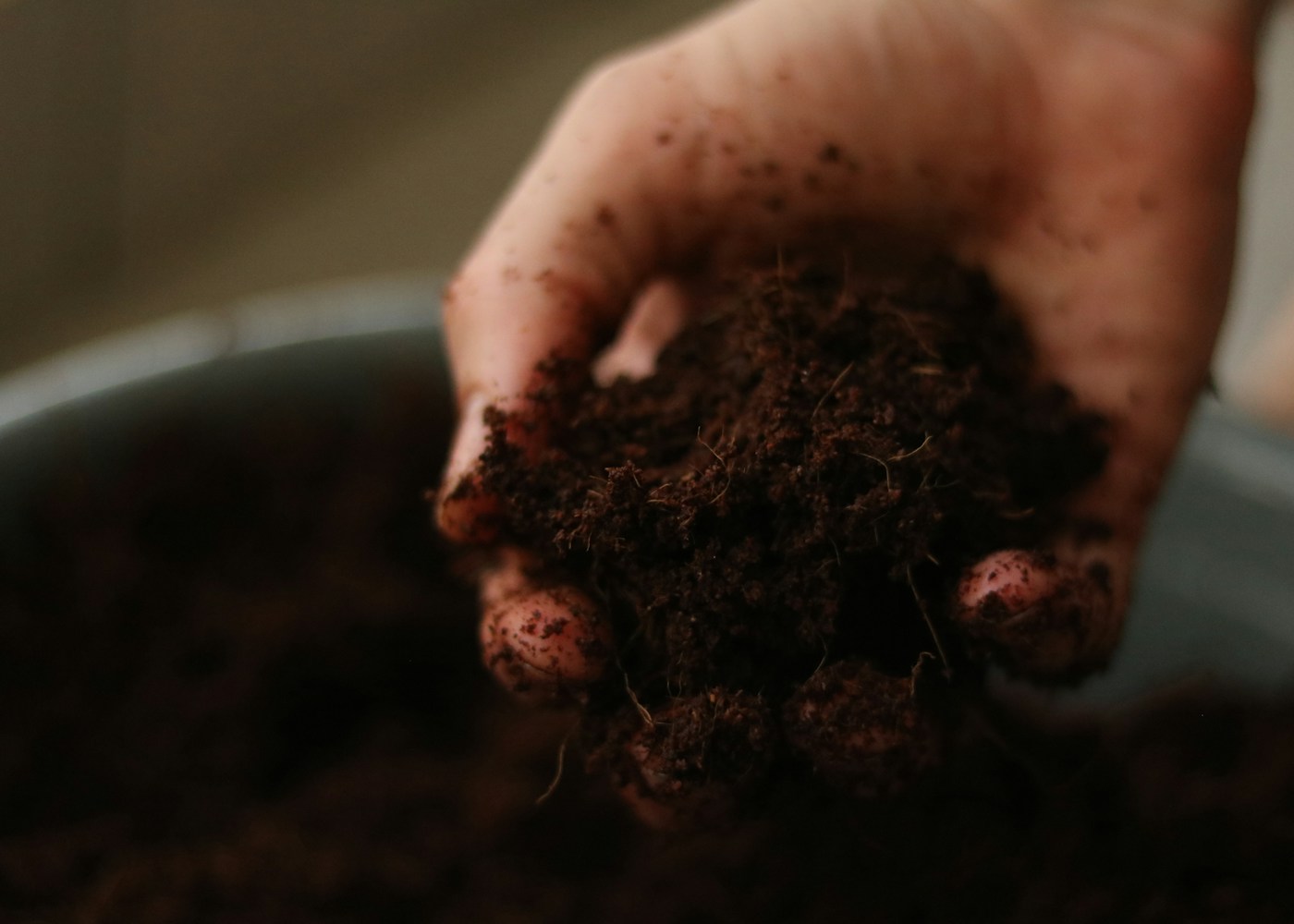
A bag of potting mix is a designed root environment. Its ingredients hold water, create air spaces, support the plant, and sometimes supply nutrients.
A yellow leaf is a symptom with a long list of possible explanations. It can belong to an aging plant, a dry plant, a wet plant, a shaded plant, or a plant with damaged roots.
Pruning can make a plant easier to live with, but the right cut depends on how that plant grows. A branching pothos vine, a rubber plant stem, and a fern frond respond differently.
A dusty leaf is a useful invitation to look more closely at a plant. Cleaning can reveal scale insects, webbing, old damage, or an unnoticed new shoot.
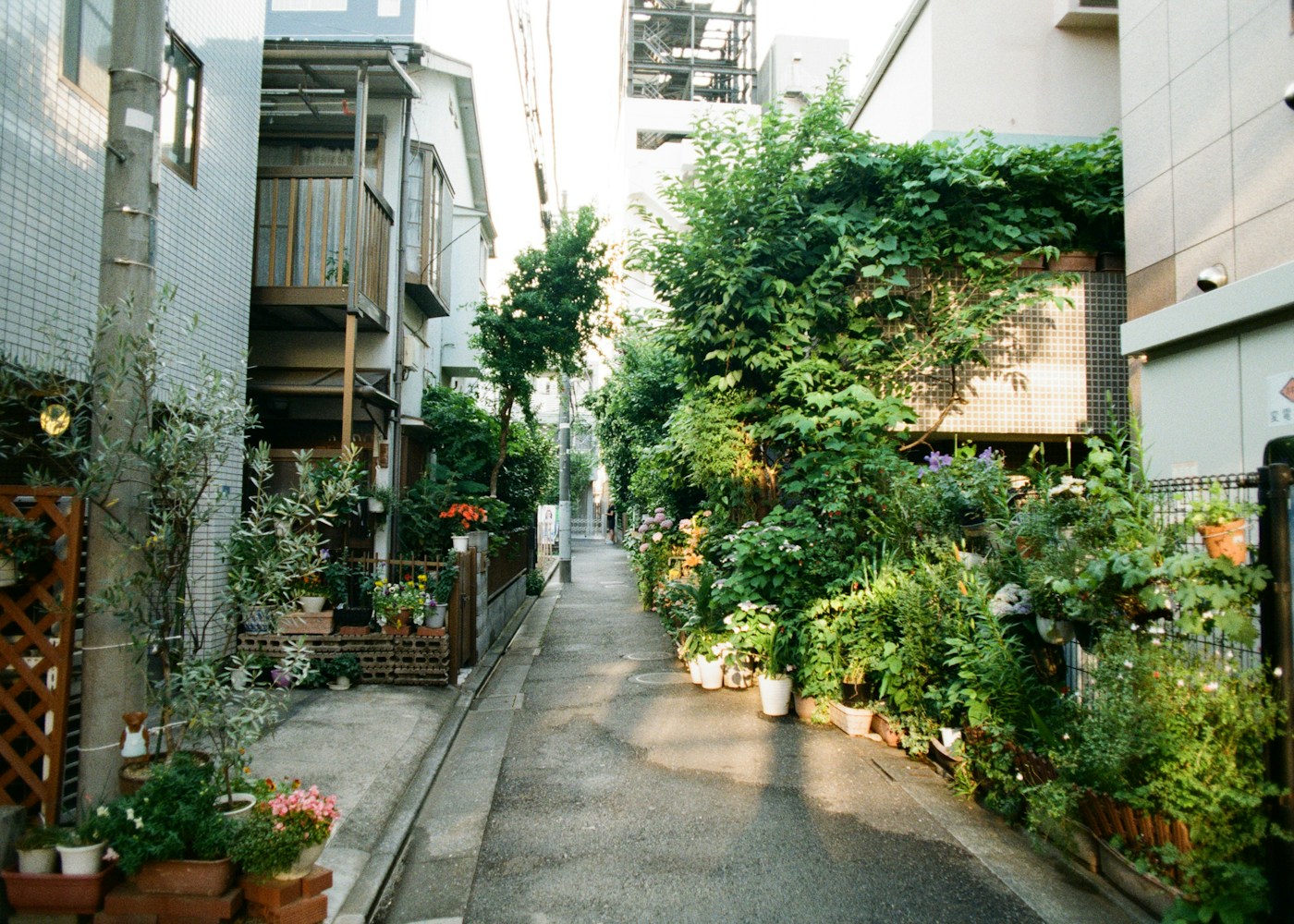
A narrow balcony has to function as a small outdoor room before it functions as a garden. Doors need to open, people need to pass, and every watered pot adds weight.
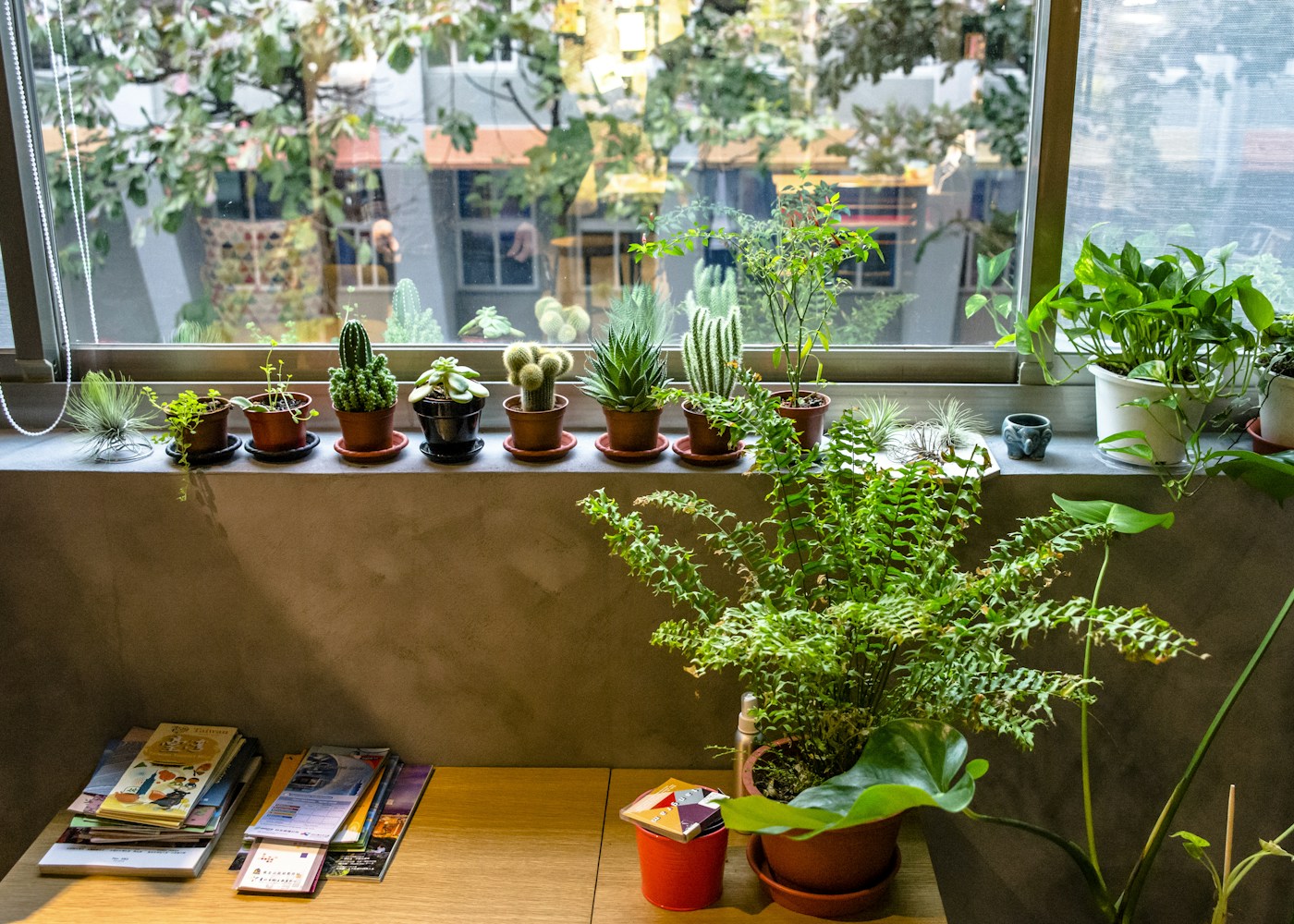
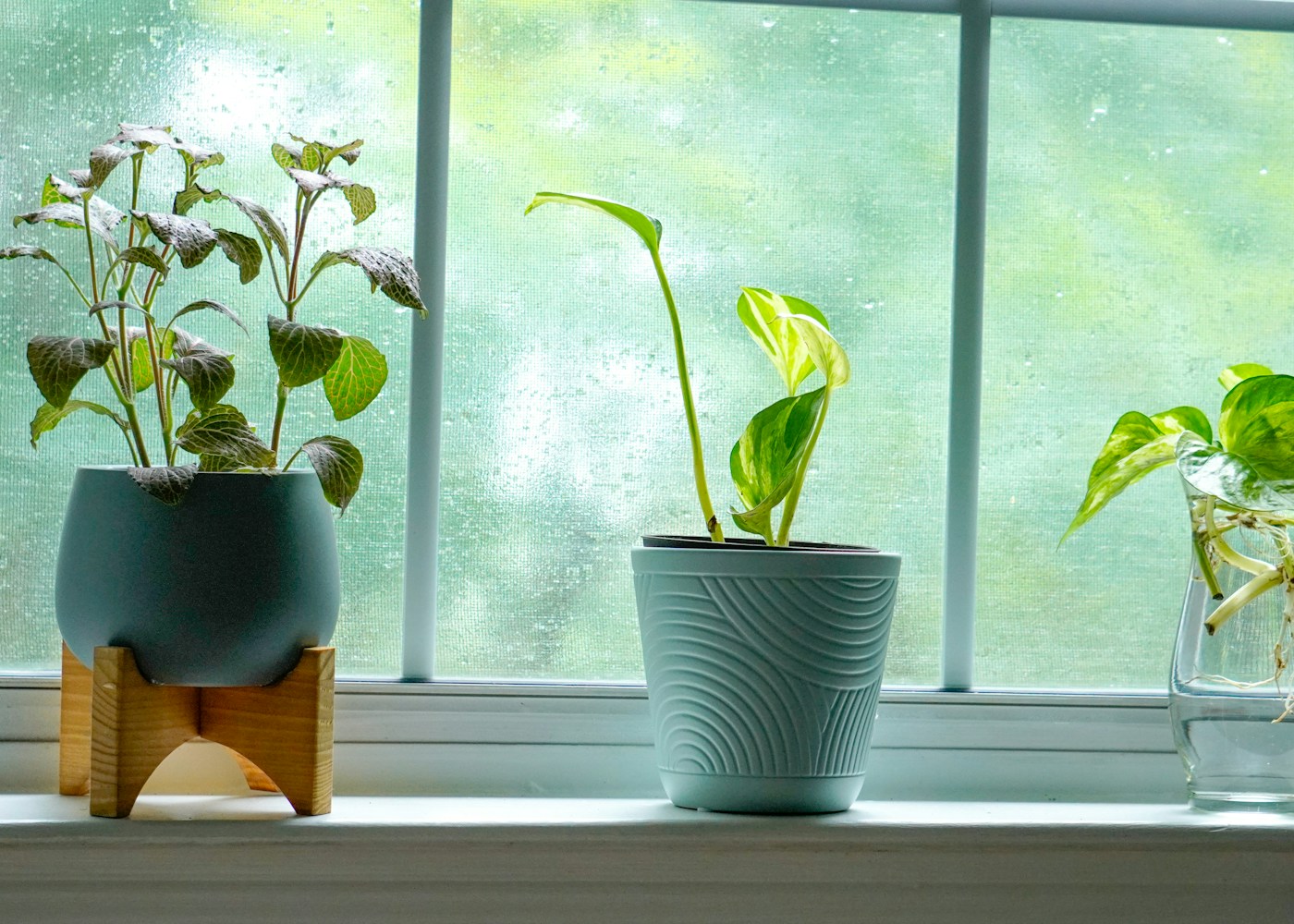
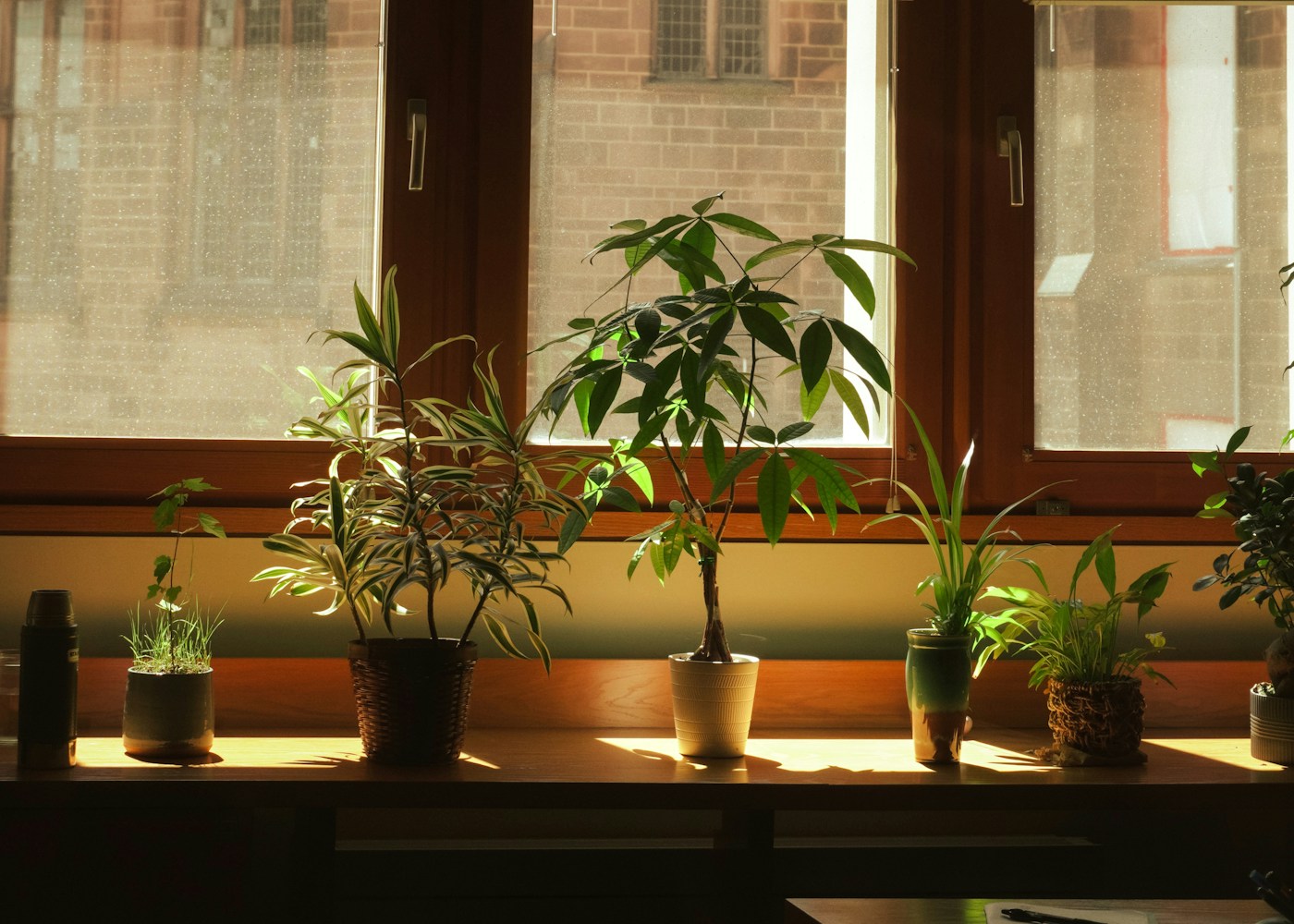
A windowsill herb garden is most useful when its scale matches the light and the cook.
A shady courtyard can be a generous place for foliage, texture, and quiet seasonal change. It is less forgiving when planted as a sun garden with the sunlight missing.
A rented home can support a satisfying garden without pretending that the space is permanent. Containers make that possible, but portability needs to be designed rather than assumed.
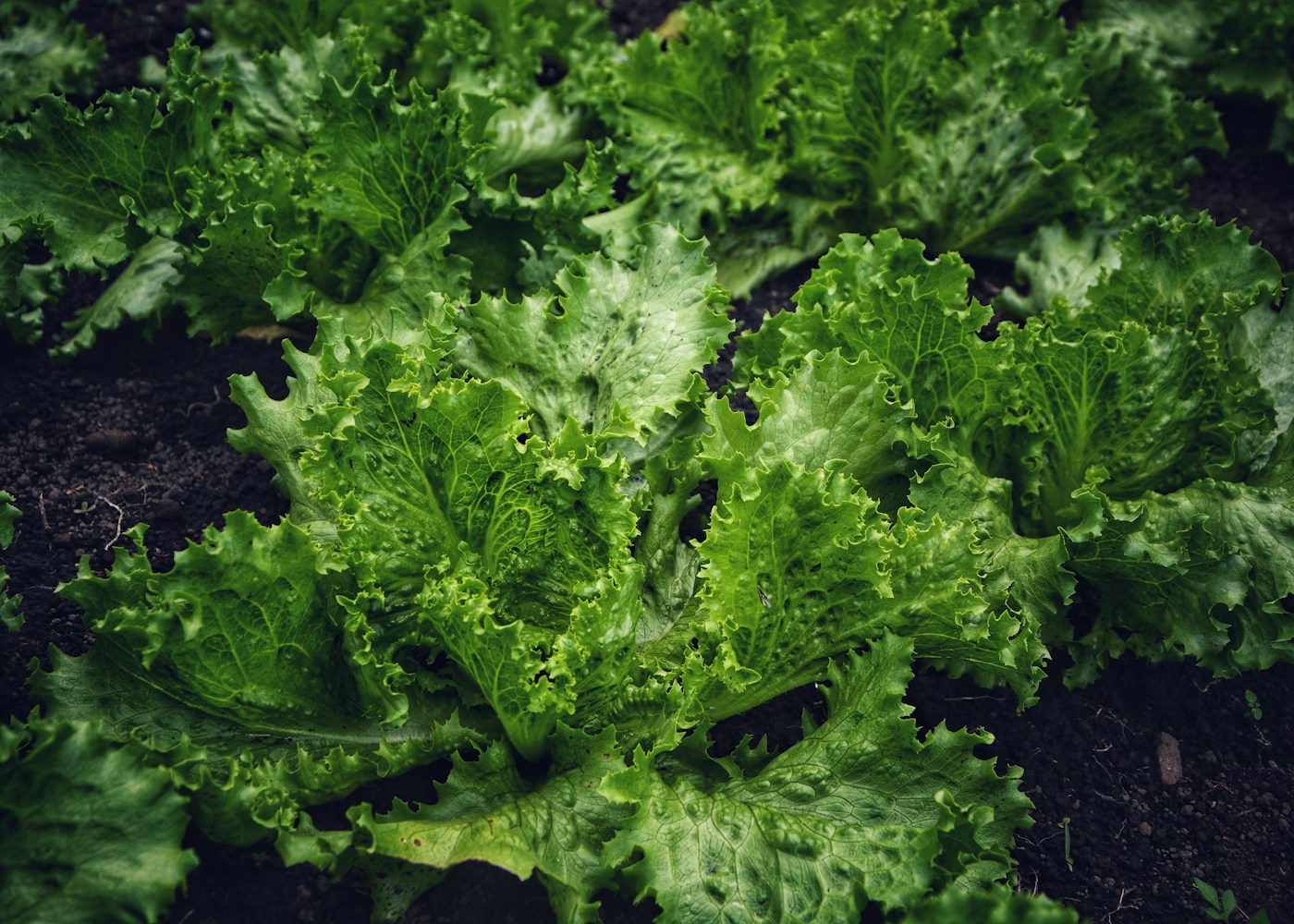
The first bowl of lettuce is rarely the difficult part. The challenge is keeping enough healthy leaves on the plants to produce the next bowl.
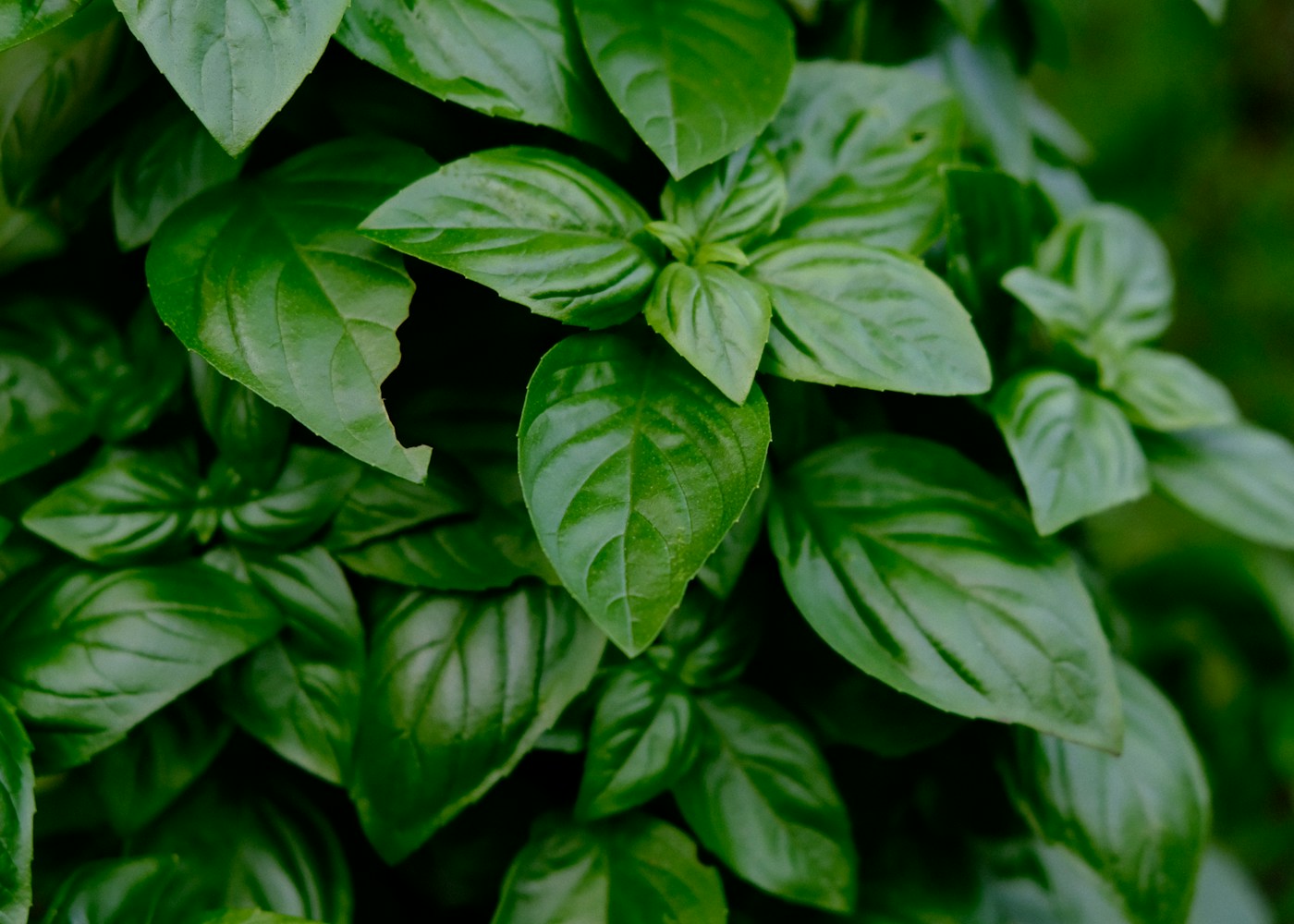
A supermarket pot of basil looks generous because it often contains many seedlings pressed together. Left that way, the stems compete, the mix dries unpredictably, and a large first picking can leave almost nothing.
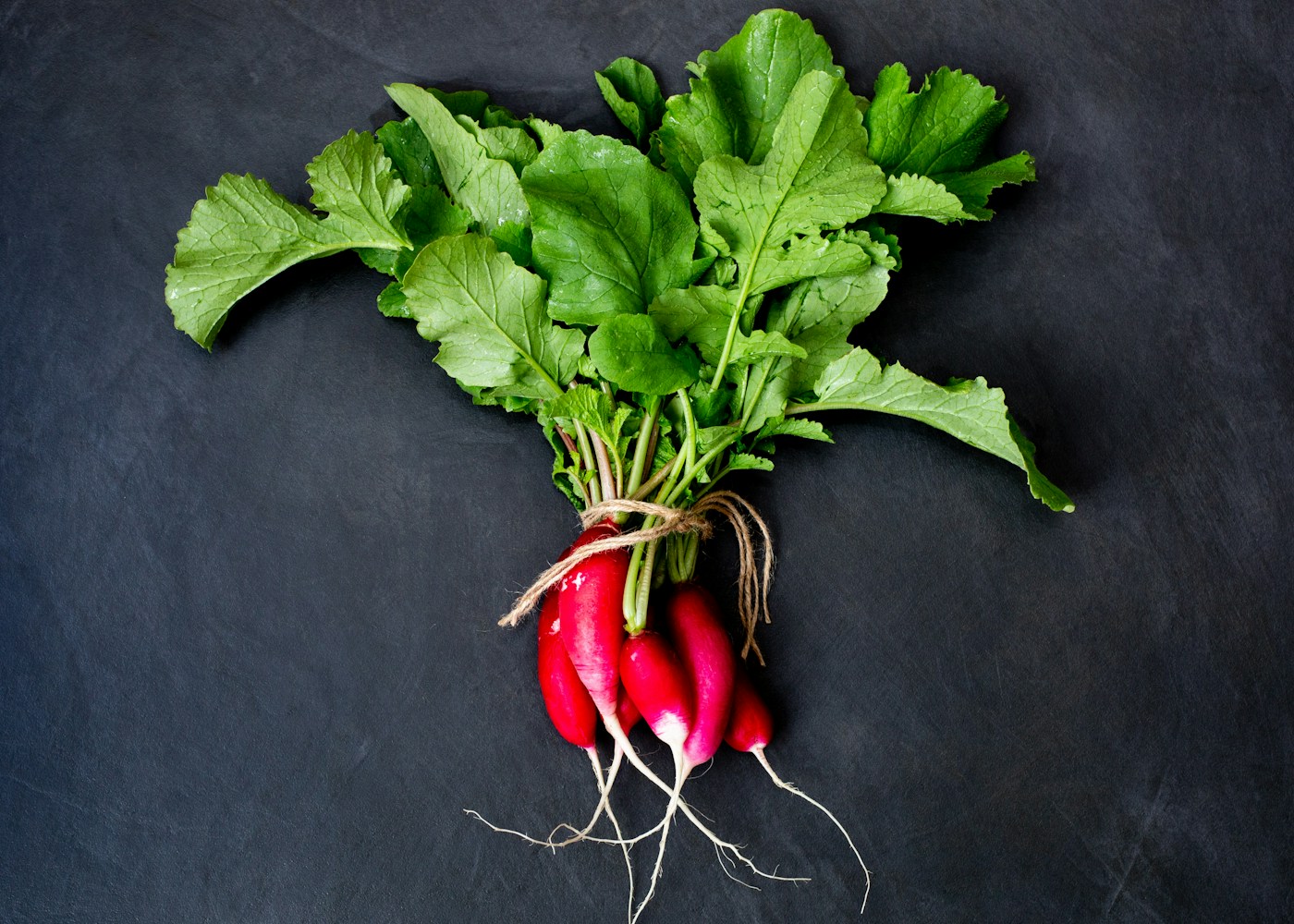
Radishes are quick, but quick does not mean automatic. A crowded row can produce impressive leaves and very little root.
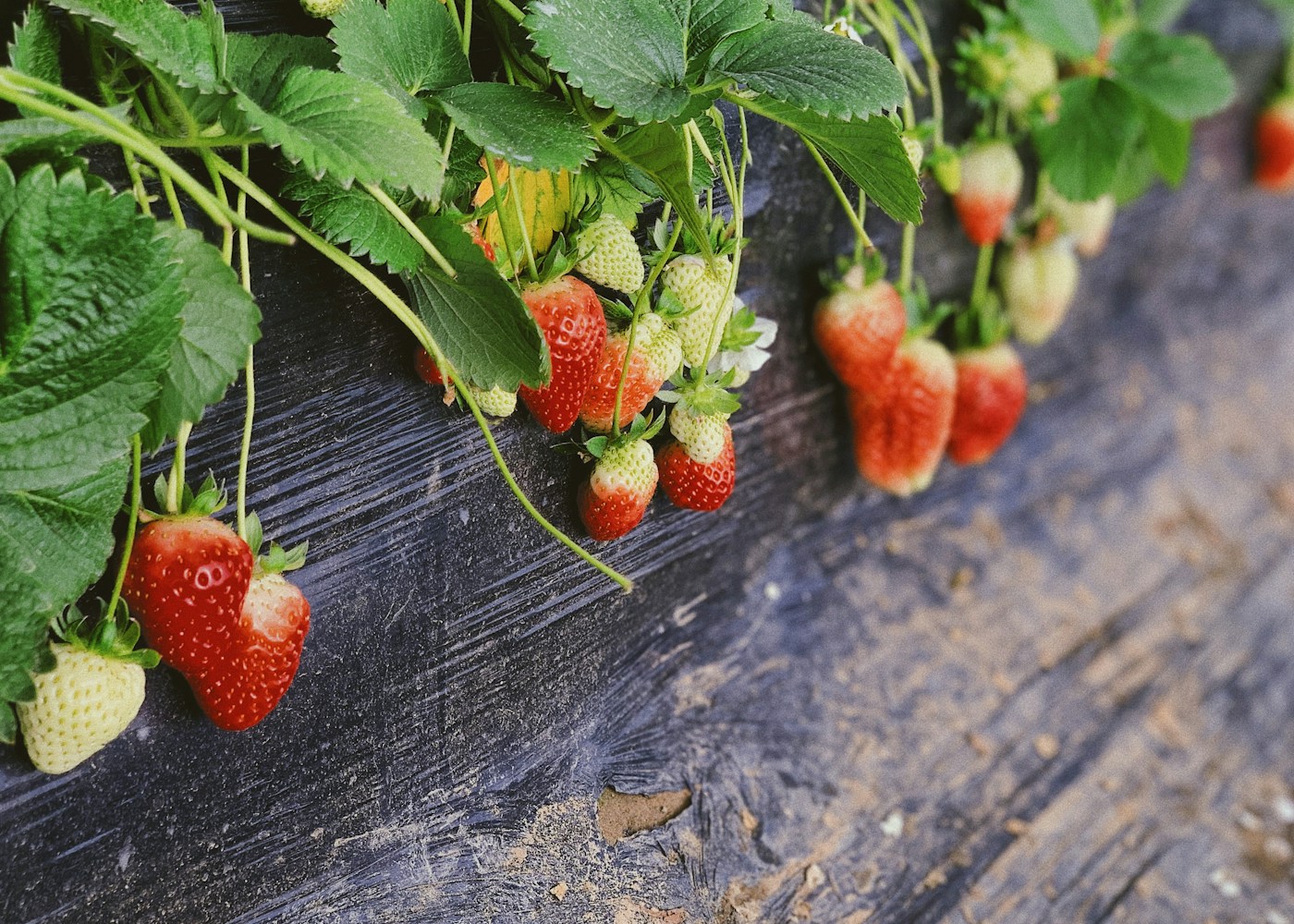
A strawberry plant places its future growth in a small crown between leaves and roots. Bury that crown too deeply and problems begin; leave roots exposed and the plant struggles for a different reason.
Winter care begins when the room changes, not when a particular month arrives. Daylight shortens, heating starts, and the same pot that dried in a few days may remain damp much longer.
Heat in a pot is not the same as heat in a garden bed. Sun strikes the sides, paving reflects energy upward, and a modest root volume can dry quickly.
Fallen leaves can become a useful garden material without becoming a complicated compost project. The slow route, often called leaf mould, relies on a contained pile of damp leaves and patience.
A sowing calendar can be useful and still be wrong for your garden. Elevation, coastal exposure, soil temperature, and a sheltered courtyard all change what a printed date means.
Thoughtful guidance, honest explanations, and room to learn.