A practical place to begin
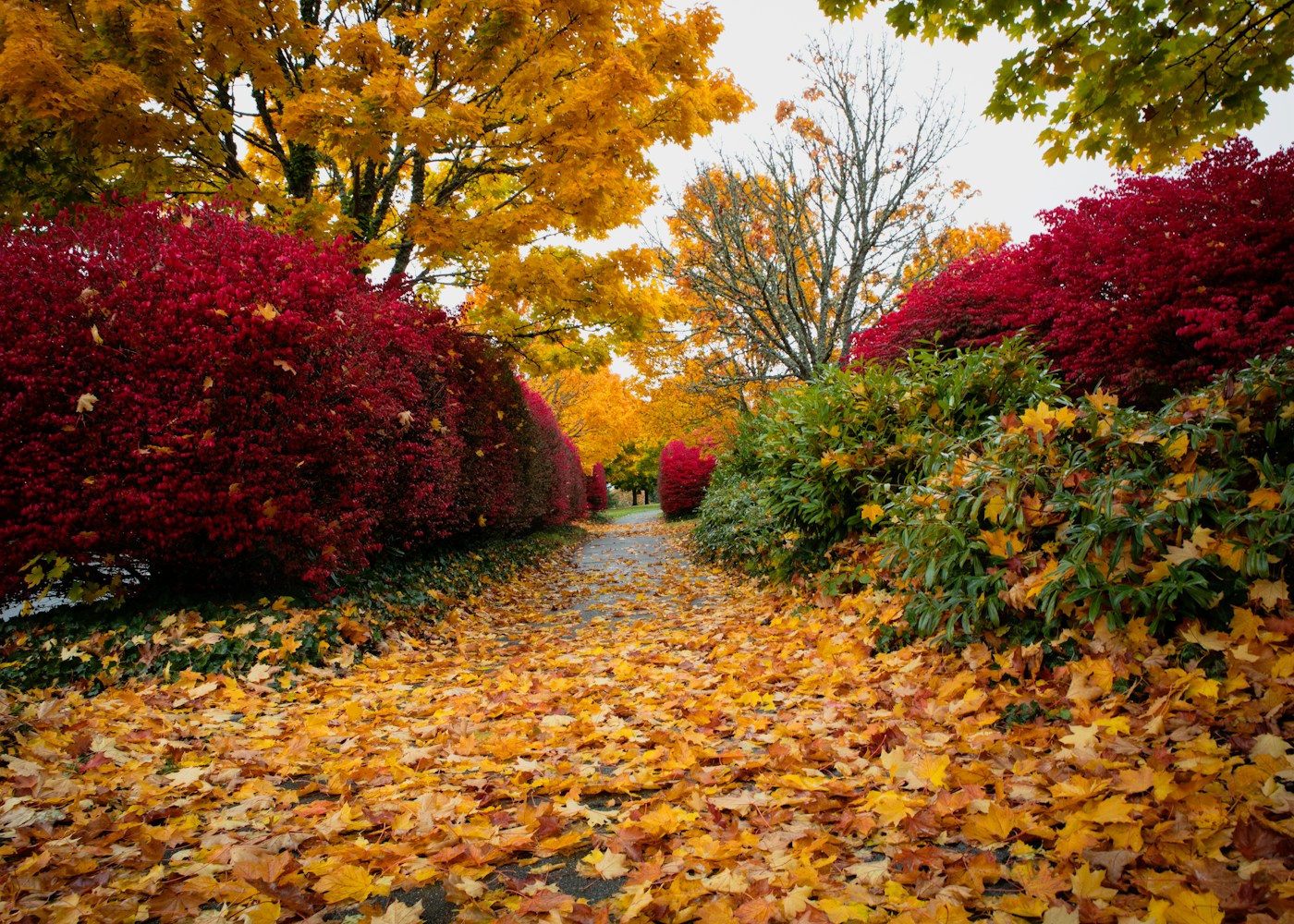
Fallen leaves can become a useful garden material without becoming a complicated compost project. The slow route, often called leaf mould, relies on a contained pile of damp leaves and patience. It is especially practical where there is no room for a large mixed compost heap.
Turn suitable fallen leaves into a crumbly organic material for appropriate garden uses. Leaf mould is mainly a soil-conditioning resource, not a complete fertilizer or an automatic replacement for potting mix.
Choose the position and prepare
Choose a discreet outdoor position with drainage and access for occasional checking. Keep the pile away from public paths, building vents, and drains. A small contained batch is easier to manage than leaves spread across the whole garden.
Use a ventilated leaf cage or durable reusable container that allows air and drainage. Gloves, a rake, and a watering can are usually sufficient. If using bags, make suitable openings and prevent loose plastic from escaping.
Collect leaves from clean areas and remove litter, stones, and persistent weeds. Avoid material contaminated by road pollutants or unknown chemicals. Shredding can speed breakdown, but it is optional for a patient small batch.
A manageable care routine
Dampen dry leaves as the container fills. The material should remain moist without becoming a sealed waterlogged mass. Check sheltered batches that receive little rain, and avoid placing them where runoff causes nuisance.
Do not add fertilizer simply to make leaf mould happen faster. Keep the project focused on leaves rather than turning it into an unmanaged food-waste bin. Different materials require different composting approaches.
Press down lightly as the leaves settle and add moisture if the centre becomes dry. Turning is optional but can help even out a patchy batch. Keep the container labelled so its age is not confused with freshly collected leaves.
Observe before changing the plan
A sour smell suggests too much moisture and too little air. Dry intact leaves after many months may simply need water and more time. Tough evergreen leaves break down more slowly than thin deciduous leaves.
Keep a small bag of shredded leaves alongside a batch of whole leaves from the same collection. Compare texture over time rather than promising a fixed completion date. Local temperature and leaf type make a large difference.
Adapt and renew
Collect in the local leaf-fall season and expect the process to continue well beyond it. Cold weather slows biological activity. In warm wet regions, monitor drainage so the material does not remain saturated.
Use the material when it is suitably broken down for the intended purpose, removing large persistent fragments. Do not spread suspect diseased leaves without local guidance. Keep enough records to know which collection produced the best usable texture.
Decide whether you want leaf mould or mixed compost
Leaf mould is made primarily from decomposing leaves. It is valued as a soil conditioner and moisture-holding material, rather than as a complete fertilizer. A conventional mixed compost heap usually combines carbon-rich material with suitable nitrogen-rich material and has different management needs. Calling both products compost can hide the distinction. For a small garden receiving a large autumn leaf fall, a simple leaf-only container is often easier to manage than trying to build a hot heap without the necessary volume and ingredients.
Choose the intended use before choosing the container. A rougher partly decomposed material can be useful as a surface mulch around suitable established plants, while a finer mature product may suit other uses after it has broken down further. Do not assume either is a sterile seed-sowing medium. Commercial growing media are formulated for particular purposes, and a leaf pile does not reproduce those properties automatically. If you want to try mature leaf mould in a homemade mix, use a small trial with suitable plants and watch drainage and consistency. Keep the bulk of an important sowing in a known reliable medium until you understand the new material’s behavior.
Collect leaves from places you can assess
Use leaves from a garden or another permitted source where you know something about the conditions. Material swept from a busy road can contain litter, salt, oil residues, or other contamination; it is a poor default ingredient for a small home project. Remove plastic, metal, string, and other debris as you collect. Wear gloves where appropriate, especially when handling material from public ground, and do not gather leaves from land without permission.
Thin deciduous leaves generally break down more readily than thick leathery evergreen foliage. A mixed batch can still be useful, but large tough leaves may remain recognizable for longer. Shredding suitable leaves can speed their breakdown by increasing exposed surface area. Use a tool designed for the task and follow its safety instructions; never feed unknown debris into a mower or shredder. If a tree has an identified disease, check the relevant local disposal guidance before retaining its leaves. A small cool leaf pile does not reliably reach temperatures that sanitize every pathogen. Keep invasive plant parts or troublesome contaminated material out when local advice requires a different disposal route. Good ingredients make the eventual product easier to use.
Build a container that stays damp and breathes
A simple wire enclosure can hold a large volume while admitting air, but it must be stable and have no sharp projecting ends. Position it where it will not obstruct a path or press permanently against a vulnerable wall. For a very small collection, sturdy reusable sacks with appropriate drainage and ventilation openings can work. Choose a site where escaping water is acceptable and the contents can be checked. Do not tightly seal wet leaves in an airtight container and expect the same process.
Moisten dry leaves as the container is filled so water reaches the middle rather than merely running over the top. They should be damp, not floating. Press them enough to fit a useful quantity without turning the pile into a dense waterlogged block. The volume will fall considerably during decomposition, so a container that looks full at first may hold much less finished material than expected. Label the batch with its starting period. Keep a second small container or sack for fresh leaves if possible; continually adding new material makes it difficult to recognize when the original batch is ready. On a balcony, consider wet weight and building rules before starting. A ground-level corner is often a more appropriate place for a substantial batch.
Read the pile rather than turning it on a calendar
Open the container and inspect below the outer layer. Leaves can look wet after rain while the center remains dry, especially if broad leaves form overlapping sheets. If decomposition seems stalled, check moisture and whether the material has packed tightly. Add water in stages to a dry center and loosen dense layers gently. A smell of stagnant decay can indicate poor aeration and too much water; correct those conditions instead of adding random accelerators. There is no need to add fertilizer simply because the process is slow.
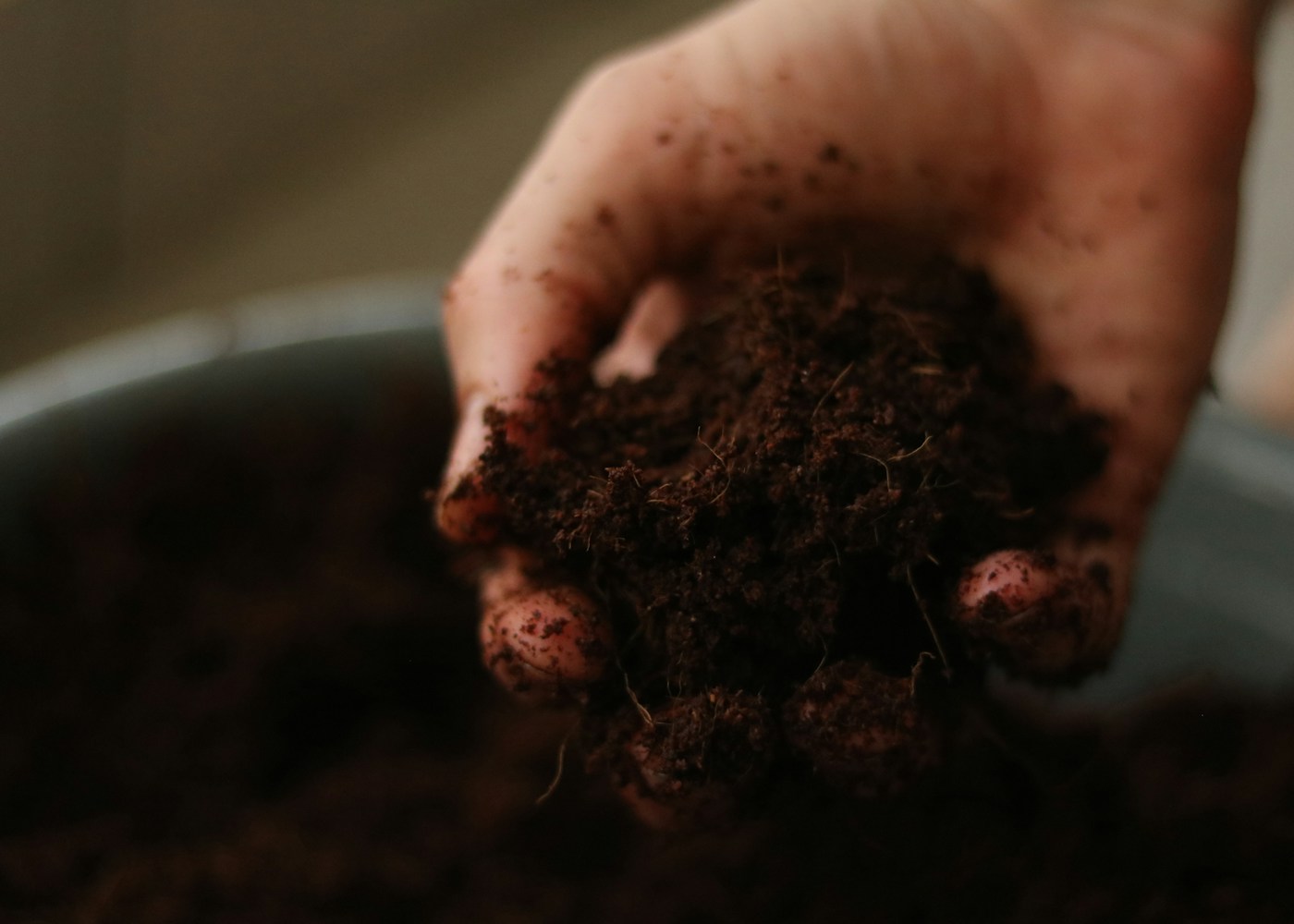
Leaf mould is a patient project. Depending on leaf type, preparation, climate, moisture, and the desired texture, useful breakdown can take a year or longer, and a finer result may take substantially longer. A bag left through one mild season is not equivalent to a batch managed through a cold dry period. Judge the product by texture and intended use, not just age. The material should become darker, more crumbly, and less recognizable as whole leaves. Keep hands and tools clean when returning to propagation work; a decomposition container is not a clean bench. If pests use the pile as shelter, consider the location and handling method rather than applying pesticide to a material you plan to spread in the garden.
Use the finished material where it contributes most
For a small garden, the first useful application may be a modest surface layer around established plants whose growing conditions suit it. Keep the material away from the crown and stem, and avoid burying small plants under a thick mat. The layer can help protect the soil surface and contribute organic matter over time. It does not replace a diagnosis of poor drainage, nor does it supply a balanced feed for every crop. Leave existing ground levels around trunks and vulnerable structures unchanged.
Suppose you collect two sacks of thin leaves and one of tough evergreen leaves. Keep them separate initially if space allows, or shred and mix knowingly while accepting that tough fragments may remain. At the first review, the thinner material might be ready for a rough mulch while the tougher batch needs longer. Sieve only when a finer use genuinely needs it, returning coarse pieces to the next batch. Avoid creating extra work to obtain a perfectly uniform decorative product. Note how much usable material the collection produced; that helps size the next year’s container. The success of a small leaf project lies in turning a seasonal excess into a practical resource without blocking a garden corner for an unrealistic promise of instant compost.
Keep an alternative use for leaves that are not ready
Partly decomposed leaves do not need to be forced through a sieve to meet a spring deadline. Leave the batch to continue and use a more suitable purchased or existing material for an immediate sowing. If you need the container for a new autumn collection, move the older batch into a labeled ventilated sack or a smaller holding area where its moisture can still be checked. Mixing it with the new collection is possible, but it resets the clarity of the batch record.
Keep some habitat considerations in view when clearing the site. A quiet leaf-filled corner can shelter small wildlife, so inspect before disturbing it and work in a manner appropriate for local species and guidance. Avoid placing a new enclosure across an existing drainage route or against a structure that must stay dry. The project should serve the garden as a whole. A tidy system with two modest batches, clear dates, and an accessible inspection point is easier to maintain than one oversized pile that must be moved repeatedly to reach other jobs.
Further reading
Horticultural references for continued learning: