A practical place to begin
The first bowl of lettuce is rarely the difficult part. The challenge is keeping enough healthy leaves on the plants to produce the next bowl. Loose-leaf types make a small garden productive when picking is gentle, the root zone stays evenly moist, and new sowings replace older plants before quality falls.
Choose loose-leaf varieties intended for repeated picking, rather than expecting every heading lettuce to behave the same way. Plan a modest regular harvest and grow several ages of plants.
Choose the position and prepare
Use a bright position with some protection from fierce afternoon heat when local conditions demand it. Observe actual sun hours. Deep shade produces weak leaves, while hot reflected light can hasten bolting.
A draining trough or pot, fresh edible-crop potting mix, labels, and clean scissors are enough. Choose a container that can hold moisture between checks, with room to reach the inner plants without crushing their neighbours.
Sow thinly at the packet depth and keep the seed surface gently moist. Thin seedlings before they form a tangled mat. Mature spacing depends on whether you intend baby leaves or larger individual plants.
A manageable care routine
Maintain an even supply of moisture without leaving roots in standing water. A sudden dry spell can toughen leaves and interrupt growth. Water low on the plant where possible so loose grit does not splash into the harvest.
Use a balanced feed suited to edible leaves when the potting mix supply is spent. Follow the dilution label and avoid feeding a dry, stressed root ball. More nitrogen is not a substitute for adequate light.
Pick outer leaves from several plants and leave the growing centre intact. If cutting a baby-leaf patch, leave the crown and some healthy leaf area. Give regrowth time before repeating the cut.
Observe before changing the plan
An elongating central stem and increasingly bitter leaves usually mean bolting. Remove aging plants rather than repeatedly cutting them back in hope of restoring tender growth. Check beneath leaves for slugs or caterpillars before diagnosing a nutrient problem.
Grow two small batches separated in time. Track how many meals each provides rather than counting leaves. Adjust the next sowing to the amount you actually eat, so harvesting never strips every plant at once.
Adapt and renew
Lettuce is often easiest in milder weather. Use locally adapted varieties and sowing guidance, especially in hot summers or cold winters. An advertised maturity date is a comparison tool, not a promise for a shaded balcony.
Wash harvested leaves with clean running water before use and keep tools and hands clean. Replace tired plants with the next batch. A steady sequence of young lettuce is more dependable than forcing one exhausted container to last indefinitely.
Choose a leaf crop, not just a picture
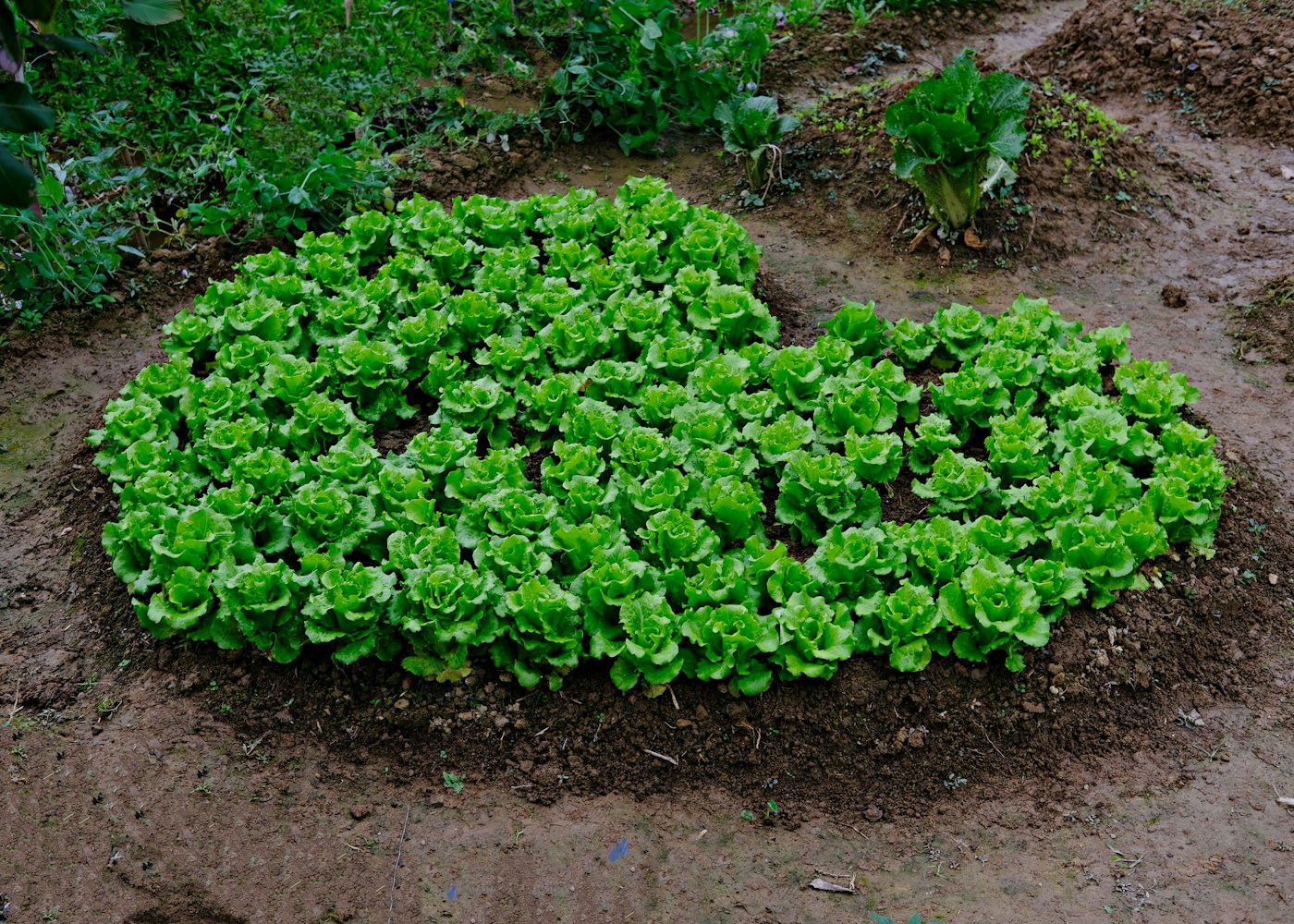
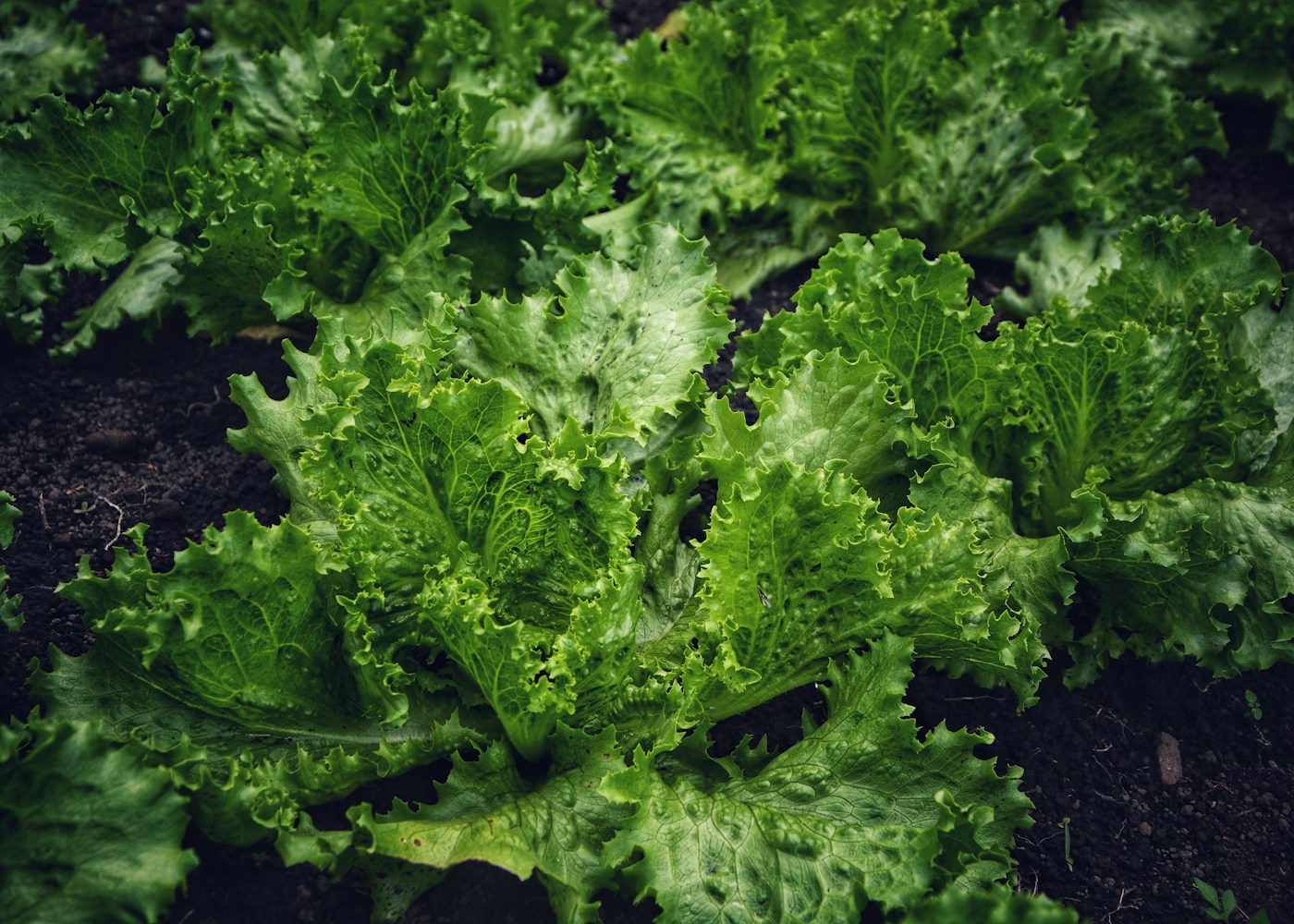
Lettuce seed packets often show the plant at a stage quite different from the one you intend to harvest. A compact heart, a broad loose rosette, and a dense patch of baby leaves can all be called lettuce, but they require different spacing and expectations. Read the description for the intended harvest method. For a small repeated supply, loose-leaf varieties are a straightforward starting point because individual outer leaves remain accessible. A heading type can still be useful, but it should not be judged by whether it tolerates the same picking pattern.
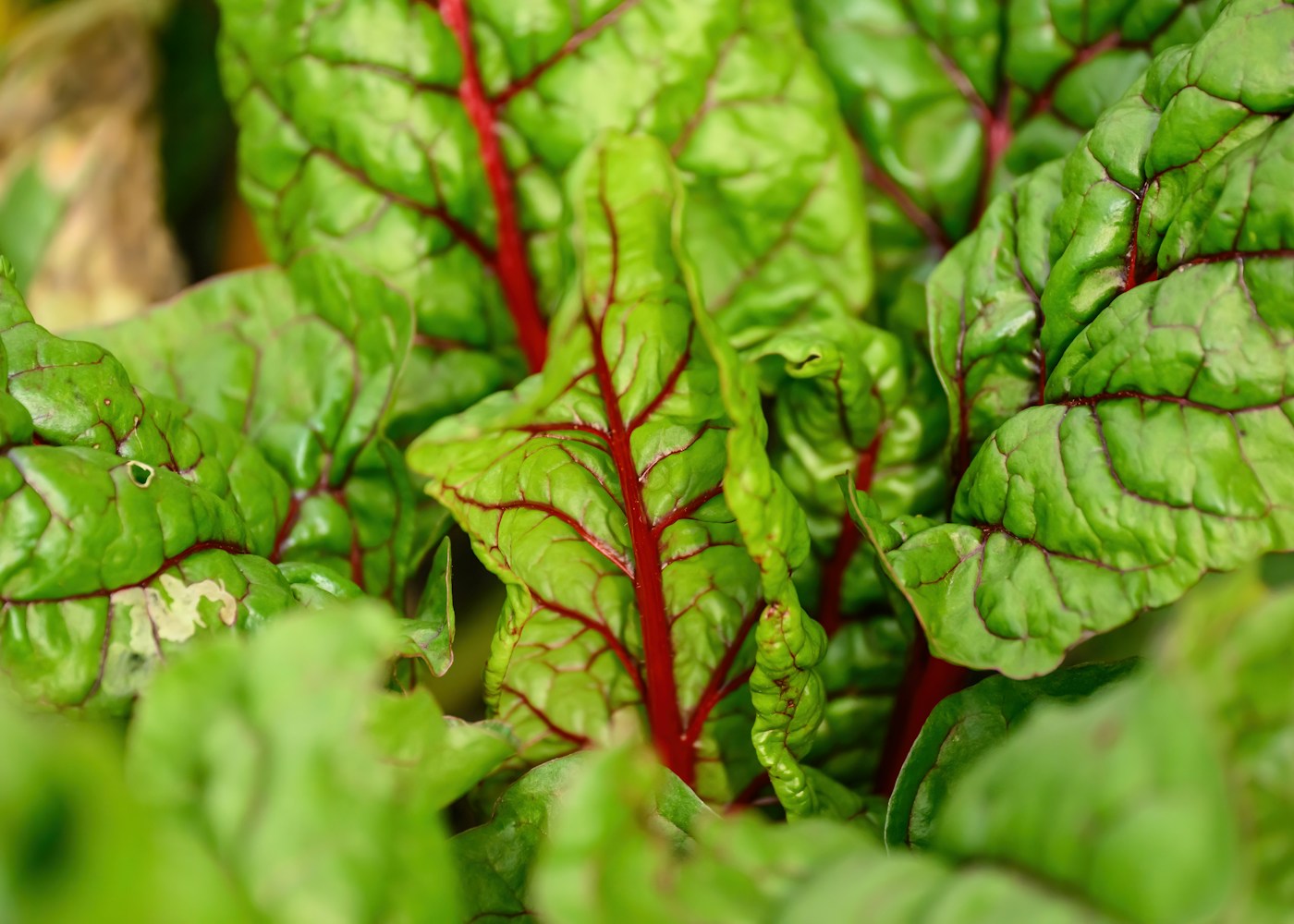
Consider colour and texture as well as speed. A mixture of red and green leaves can be attractive, but different varieties may grow at different rates. Grow them in small marked sections if you want to learn their behaviour. That makes it possible to replace a fast-bolting type without disturbing the rest. Keep the packet or variety name until the crop ends. A label that says only salad does not help you repeat a successful sowing. Choose one or two dependable types first, then add experiments once you know how much leaf area the available container can support.
Give young roots an even start
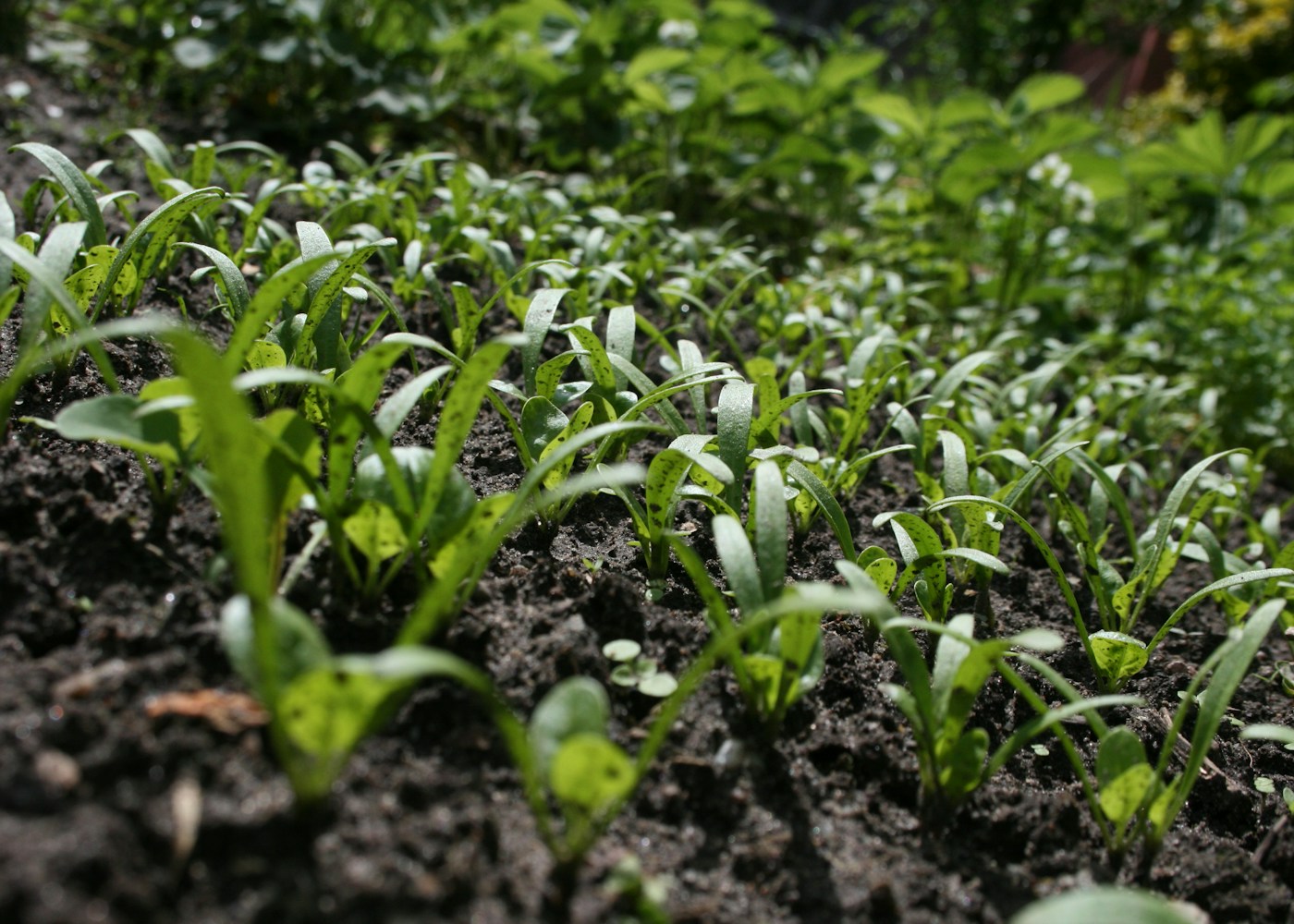
Pre-moisten the growing medium so a gentle surface watering can maintain germination without washing seeds into piles. Sow sparingly and follow the packet depth. Once seedlings appear, make sure light is sufficient and remove any temporary cover before heat and humidity become excessive. Thin while plants are small. Waiting until every leaf touches its neighbours makes it harder to separate good seedlings and encourages a weak crowded stand.
The final spacing depends on the harvest. Closely grown baby leaves are a short crop that will be cut young. Individual loose-leaf plants need room to form a rosette and regrow after picking. Do not begin with the density of a baby-leaf patch and then expect mature plants to remain productive indefinitely. If you change your mind about the intended harvest, thin accordingly. A few well-spaced plants can yield more usable leaves over time than a dense container that never develops strength.
Check the whole container after watering. Dry pockets at the edges can produce uneven growth, while an outlet blocked by a tray or surface can leave the centre too wet. Correcting that pattern early is easier than diagnosing several stressed plants later.
Let the plant keep enough working leaves
A repeated harvest is an exchange: the gardener removes useful leaves, and the remaining plant uses light and water to make replacements. The exchange stops working if every healthy leaf is taken. Begin lightly and spread the picking across several plants. Use clean scissors or careful fingers to remove outer leaves without tearing the central growing point. Keep the leaves that are still expanding and enough mature green area to support the next round.
For a baby-leaf patch, use the variety’s recommended cutting method and avoid cutting into the crown. Regrowth quality varies with crop age and conditions, so inspect the next flush before assuming another full harvest is available. If the leaves become sparse, tough, or increasingly bitter, replacing the stand is often more useful than cutting lower. Keep the youngest batch out of the harvest until it has established.
A simple kitchen rule helps: pick for the meal you are preparing, then stop. Growing lettuce in a container is rarely a way to store a large surplus on the plant without consequences. Regular modest picking keeps the routine manageable and makes it easier to notice when growth no longer keeps pace.
Use succession to absorb imperfect weather
Consider a trough divided into three sections. Sow the first, wait until it establishes, then begin the second. Start the third only if the coming weather still suits the crop. This is a flexible pattern rather than a fixed interval. During mild bright conditions, growth may be quick; during cold or dim periods, a new sowing may take much longer. The useful cue is the state of the existing crop and your actual rate of use.
Heat can shorten the productive period. A rapidly lengthening centre and a change in flavour indicate that the plant is moving toward flowering. Cutting that stem does not reliably restore a young tender rosette. Remove the aging batch and use a locally suitable next crop or wait for a better sowing window. Temporary light shade may reduce harsh exposure, but it cannot make every lettuce variety productive through extreme heat.
Record the sowing and first harvest dates, plus a short note about temperature and position. These observations let you build a local pattern over time. Do not discard a useful variety because one sowing failed in unusually severe weather, and do not assume one successful batch proves that the position works in every season.
Keep a clean route from pot to plate
Leafy vegetables are often eaten raw, so harvest hygiene deserves a clear routine. Use clean hands and tools, collect into a clean bowl, and wash leaves under clean running water before eating. Keep the container away from dirty roof runoff and places where pets regularly disturb the growing medium. If a crop has been contaminated, ordinary rinsing is not a reason to ignore that exposure. Address the cause and use appropriate food-safety judgement.
Inspect both surfaces of leaves while picking. A few holes may be cosmetic, but visible pests, droppings, or decayed tissue need attention. Identify the pest before using any treatment and choose only a product permitted for the crop and location, following harvest intervals. Avoid spraying kitchen mixtures onto food leaves merely because their ingredients sound familiar.
At the end of a batch, clear the old roots and examine the growing medium. If the crop had persistent disease or pests, clean the container and follow local guidance before replanting. The goal is a steady sequence of clean, tender leaves with modest effort. A fresh sowing made at the right time is usually more rewarding than keeping an exhausted patch alive solely to avoid starting again.
Plan a salad around the plants you have
Imagine six established loose-leaf plants and a household that wants a large salad tonight. If taking enough leaves would strip all six, combine a smaller homegrown harvest with other ingredients rather than emptying the pots. The remaining healthy leaves are the source of the next picking. A harvest that respects that limit can be repeated; one that removes nearly everything turns the crop into a single-use purchase.
Start a small replacement batch while the six plants remain productive. Watch its emergence and thin it for the intended harvest. As older plants slow or begin to bolt, remove them in stages and let the younger batch take over. Keep the two ages labelled so the smallest plants are not accidentally included in a heavy picking.
After a few weeks, assess whether the number of plants matches actual use. If the crop is constantly overharvested and the position has room, add an appropriate container rather than increasing density in the existing one. If leaves are regularly left until they deteriorate, sow less next time. This simple adjustment makes the crop feel reliable because production and consumption are aligned. Record the useful number of meals rather than comparing the garden with an idealised photograph. Lettuce growing is successful when clean tender leaves arrive at a pace the household can use, with enough healthy growth left to support the next round.
Further reading
Horticultural references for continued learning: