A practical place to begin
A shallow window box will never behave like a deep garden bed. That is not a reason to leave it empty. Baby leaves can make good use of limited depth when the container drains, the seedlings are not overcrowded, and the harvest stays small enough for the roots to support.
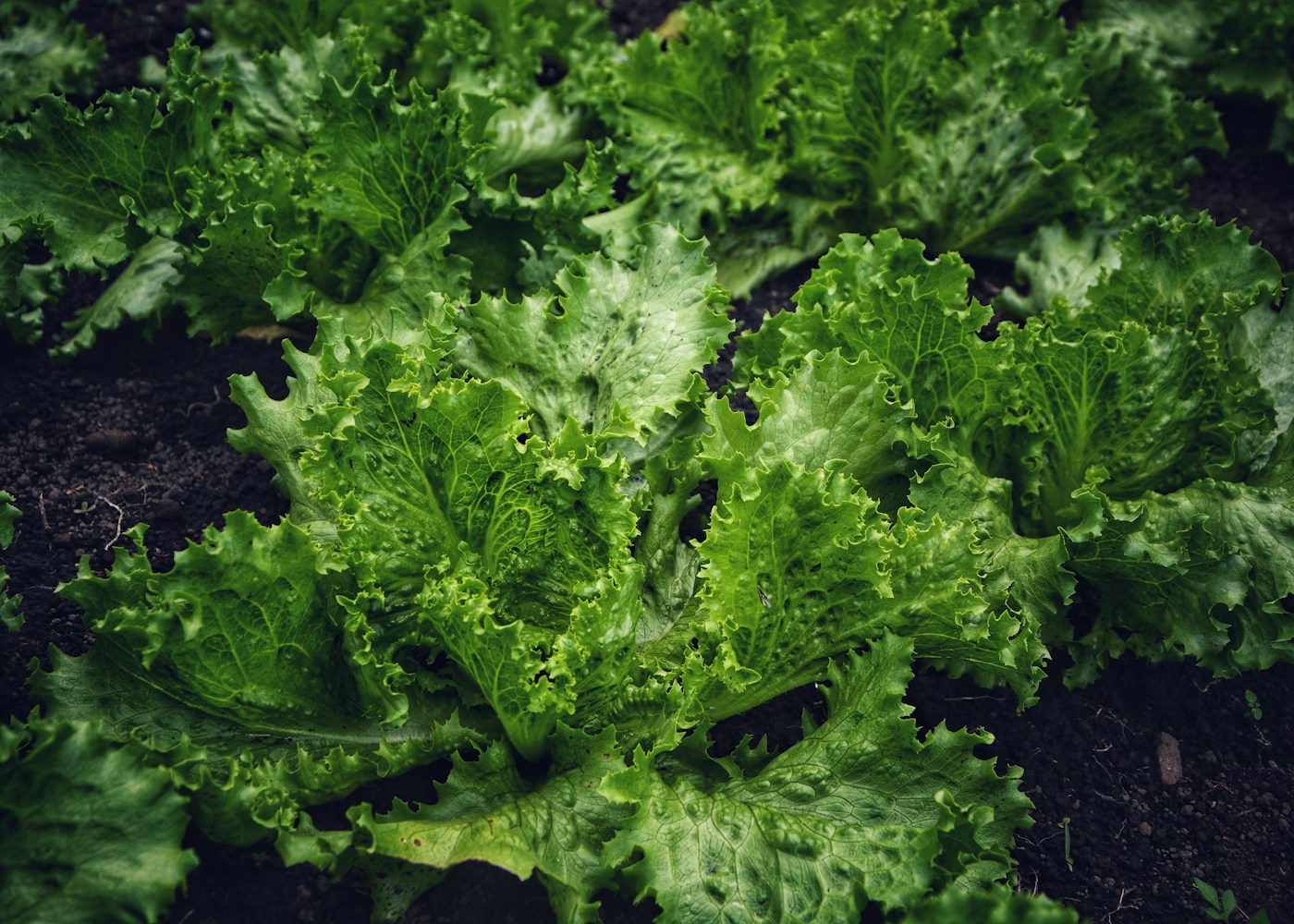
Aim for handfuls of young leaves rather than large mature heads. A narrow box is most productive when its planting density, sunlight, and picking routine all suit that modest harvest.
Choose the position and prepare
Choose a position with useful daylight and safe access from inside. Check how the sill slopes and where runoff travels. Never balance a filled box on an unguarded exterior ledge or assume suction hooks can hold wet potting mix.
Select a securely supported trough with drainage holes and a tray only where collected water can be emptied. Use fresh potting mix suitable for edible crops. The internal depth matters more than the decorative height of the rim.
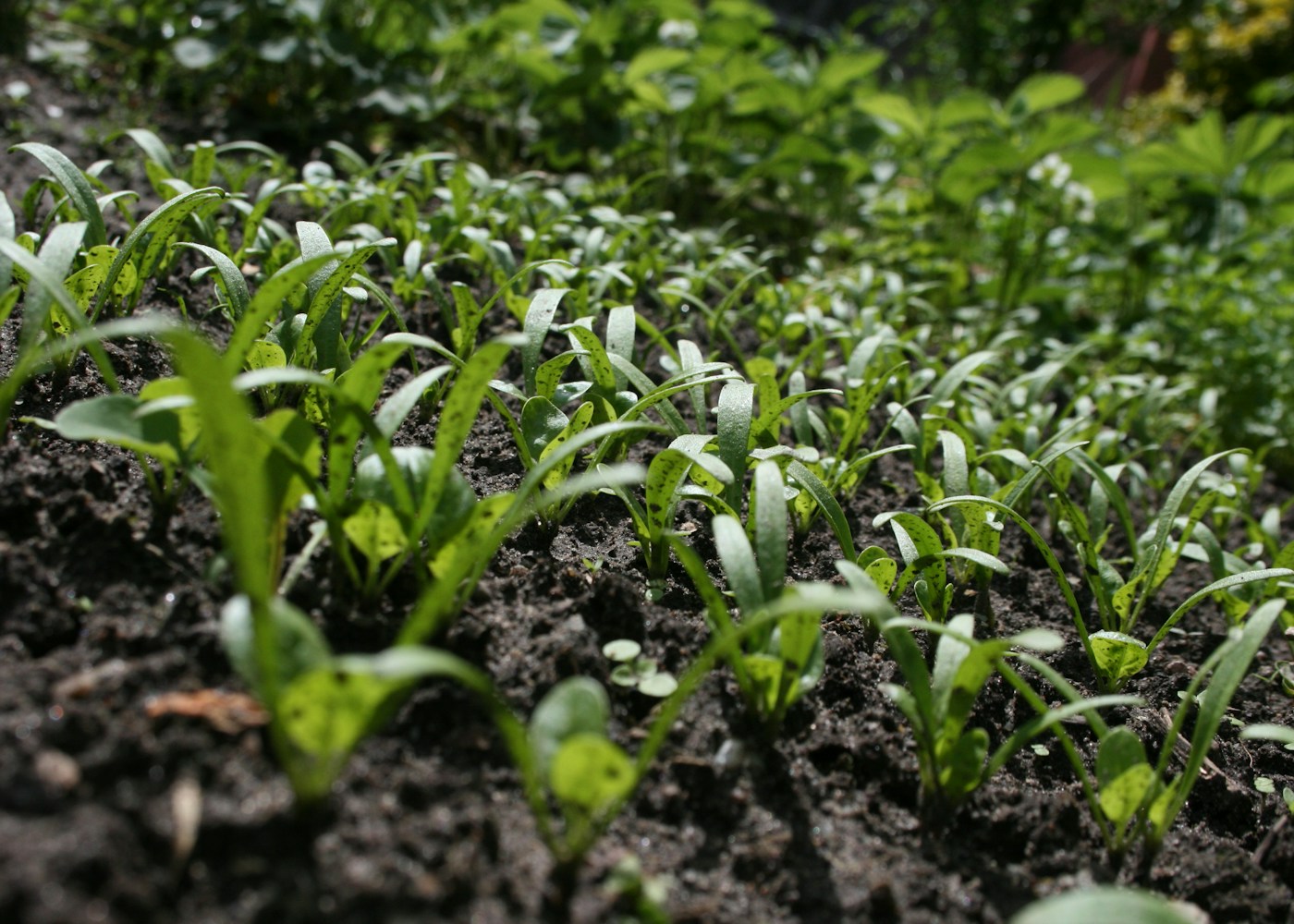
Pre-moisten the mix, sow a small area thinly, and label the date and crop. Separate lettuce from faster mustard greens so the latter do not overwhelm the slower seedlings. Follow packet depth rather than burying every seed alike.
A manageable care routine
A narrow volume dries quickly in sun and wind. Check moisture near the roots and water gently enough to avoid exposing seeds. Keep the box evenly moist, but do not leave its bottom submerged in a full tray.
Check whether the fresh mix already includes fertilizer. Feed only as directed for edible leaves once the existing supply declines. A stronger solution does not compensate for overcrowding and can damage delicate roots.
Thin early with small scissors, rotate picking across the box, and remove damaged leaves. Keep an unsown strip ready for the next small batch. This gives new roots access to light instead of making seedlings compete beneath mature foliage.
Observe before changing the plan
Long pale seedlings point to insufficient light or crowding. Ragged holes may indicate pests; inspect under leaves before treating. A crop that bolts in heat is responding to its environment and may need replacement rather than more feed.
Sow one half first and the other after the first seedlings establish. Record when each half becomes ready. The useful interval is the one that produces enough leaves for your meals without leaving a crowded, aging stand.
Adapt and renew
Use locally suitable cool-season leaves in mild weather. In very hot periods, move to a cooler position if safe or pause production. A window facing winter sun may become shaded when surrounding trees leaf out.
Replace a tired batch when regrowth becomes sparse or quality declines. Empty only into an appropriate compost system, clean the box, and start with a manageable sowing. Small, repeated harvests suit a shallow root zone better than a once-a-season show.
Choose a harvest scale before a seed mix
A mixed packet can contain plants with very different growth rates. In a shallow box, that difference becomes visible quickly: one crop shades the next before the slower seedling has formed useful leaves. For a first attempt, choose a single loose-leaf crop or place each type in a marked section. Think about the amount you want for one sandwich or one small salad, rather than a full household supply. That keeps expectations in proportion to the root volume. If a small harvest would not be useful, a deeper larger container may be a better project. The aim is to make the limited space productive, not to demonstrate that every edible plant can fit into it.
Measure the space the roots receive
Decorative window boxes sometimes have a deep outer shell and a much shallower removable insert. Measure the insert itself, including the space left after allowing a watering lip at the top. Check that water can leave freely when the box is filled. Filling the bottom with gravel reduces the depth available to roots and does not solve a poorly designed outlet. A quality growing medium is more useful than a heavy layer of stones. If the box must sit above people or public space, use an appropriate secure support and follow local building requirements. An attractive view from inside is not a reason to accept an uncertain mounting arrangement.
Make germination a gentle operation
Fine seed is easy to wash into one corner. Pre-moistening the mix reduces the amount of watering needed immediately after sowing. Apply later water gently, using a fine rose or another method that does not scour the surface. A temporary cover can reduce evaporation, but it must not turn a sunny box into an overheated sealed container. Check regularly and remove it as the seedlings establish. Label the sowing even when only one crop is involved. The date helps distinguish genuinely slow emergence from a tray that has simply been forgotten. Keep spare seed dry and labelled rather than sowing the entire packet to fill every visible gap.
Thin for the next two weeks of growth
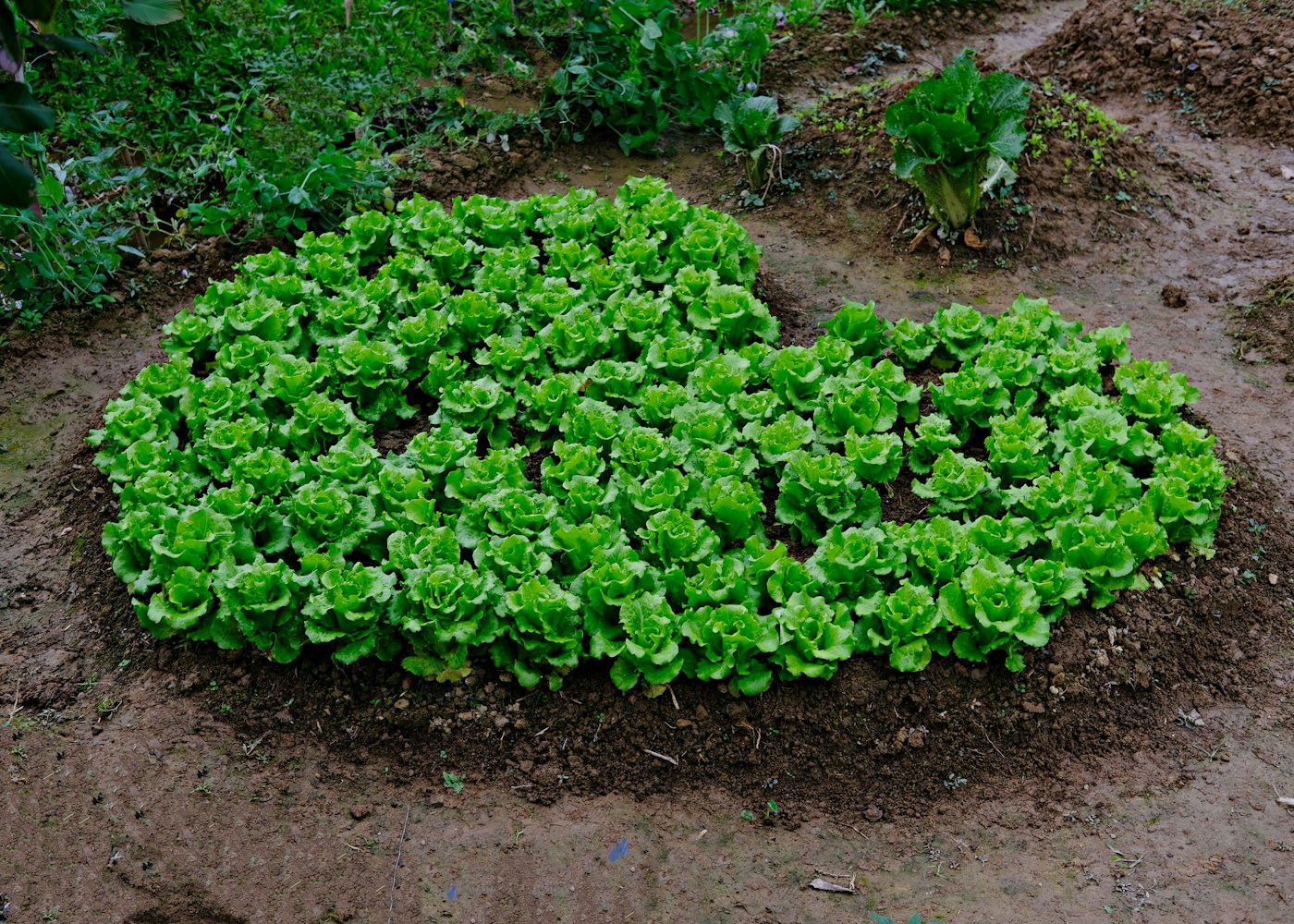
Seedlings that look comfortably spaced today can form a dense canopy surprisingly soon. Thin with the future leaf size in mind. Snipping unwanted seedlings near the mix surface avoids disturbing the roots of those that remain. Follow the packet spacing for the intended baby-leaf harvest, and increase room if you decide to grow larger plants. Do not treat all young thinnings as edible without checking the crop and whether the seed was treated. Crowding is easier to prevent than to reverse once roots and leaves form an interlocked mat. If a section is already congested, clear part of it and start a smaller replacement rather than repeatedly adding feed.
Use a clean harvesting pattern
Harvest with clean hands and scissors, working across the box rather than stripping the nearest plant each time. Leave healthy growth and the centre of individual lettuce plants intact. Keep the cut leaves in a clean bowl rather than resting them on a sill that catches dust or bird droppings. Wash them under clean running water before eating. If the window box receives contamination from pets, birds, or dirty runoff, address that exposure before treating the crop as ready for the kitchen. Small-space growing is convenient precisely because it is close to daily life, but that closeness makes basic food hygiene more relevant, not less.
Know when to empty a section
Repeated cutting eventually produces smaller or less appealing regrowth. Heat can accelerate flowering, and a shallow root zone gives little buffer against a missed watering. Replace a section when it no longer produces the quality you want. Do not count the presence of any green leaf as evidence that the crop is still worth maintaining. Remove old roots and use appropriate fresh growing medium for the next batch. If pests or disease affected the previous stand, clean the container and follow local guidance before replanting. A tidy reset is part of productive growing, and it gives the next seedlings light, root room, and a fresh chance to develop evenly.
Keep the next sowing small
Suppose the first box provides more leaves than you use during one week, followed by a gap while regrowth catches up. The answer may be smaller sections at different ages rather than a larger container filled on one date. Divide the surface into marked areas and sow only one at first. When the plants establish, begin another section. Let consumption guide the interval. A household that picks a few leaves daily needs a different pattern from one that makes a large salad on a weekend.
Keep a note of crop, sowing date, thinning date, and first useful picking. Include a brief comment on weather and light. This is enough information to explain why the next batch behaves differently. Do not compare a mild spring sowing with one made during a heatwave and assume the seed quality changed. Equally, do not keep sowing into an unsuitable hot window because an earlier batch succeeded there. Seasonal adaptation may mean changing the crop, reducing exposure, or letting the box rest.
The final check is whether the process remains enjoyable and clean. You should be able to water safely, reach the leaves, and wash the harvest without a complicated routine. If maintenance feels excessive for the yield, simplify to one crop or move to a more suitable container. A small productive box offers fresh leaves close at hand. It does not need to meet an imagined self-sufficiency target. Check its supports regularly, too. Watering, wind, and normal use can reveal problems that were not apparent when the empty box was fitted. Stop using a mounting arrangement if any part becomes loose or damaged, and resolve that issue before refilling it.
A practical first-box plan
For a first attempt, divide a safe supported box into two labelled halves and choose one suitable leafy crop. Sow the first half lightly. Keep the second half free until the first seedlings are established, then decide whether conditions and household use justify another sowing. This avoids committing the entire box before learning how quickly it dries and how much light it actually receives.
If the first seedlings become long and pale, investigate light before filling the second half. If they grow well but every watering runs off the surface, improve the watering method and check the medium. If the first harvest is larger than needed, make the next section smaller rather than treating surplus as a target. These observations turn the box into a manageable experiment.
Once picking begins, record roughly how many meals the section supports. There is no need to weigh every leaf. A note such as two sandwiches and one small salad is enough to guide the next batch. If a hot period arrives, stop sowing until the crop and position are suitable again. Keep the empty area tidy rather than filling it reflexively with another packet. At the end of the trial, ask whether the box earned its maintenance time. A useful small harvest with safe access and clean handling is a good result. If the yield is too slight for the effort, a deeper container or a different crop may serve the same space better.
Further reading
Horticultural references for continued learning: