A practical place to begin
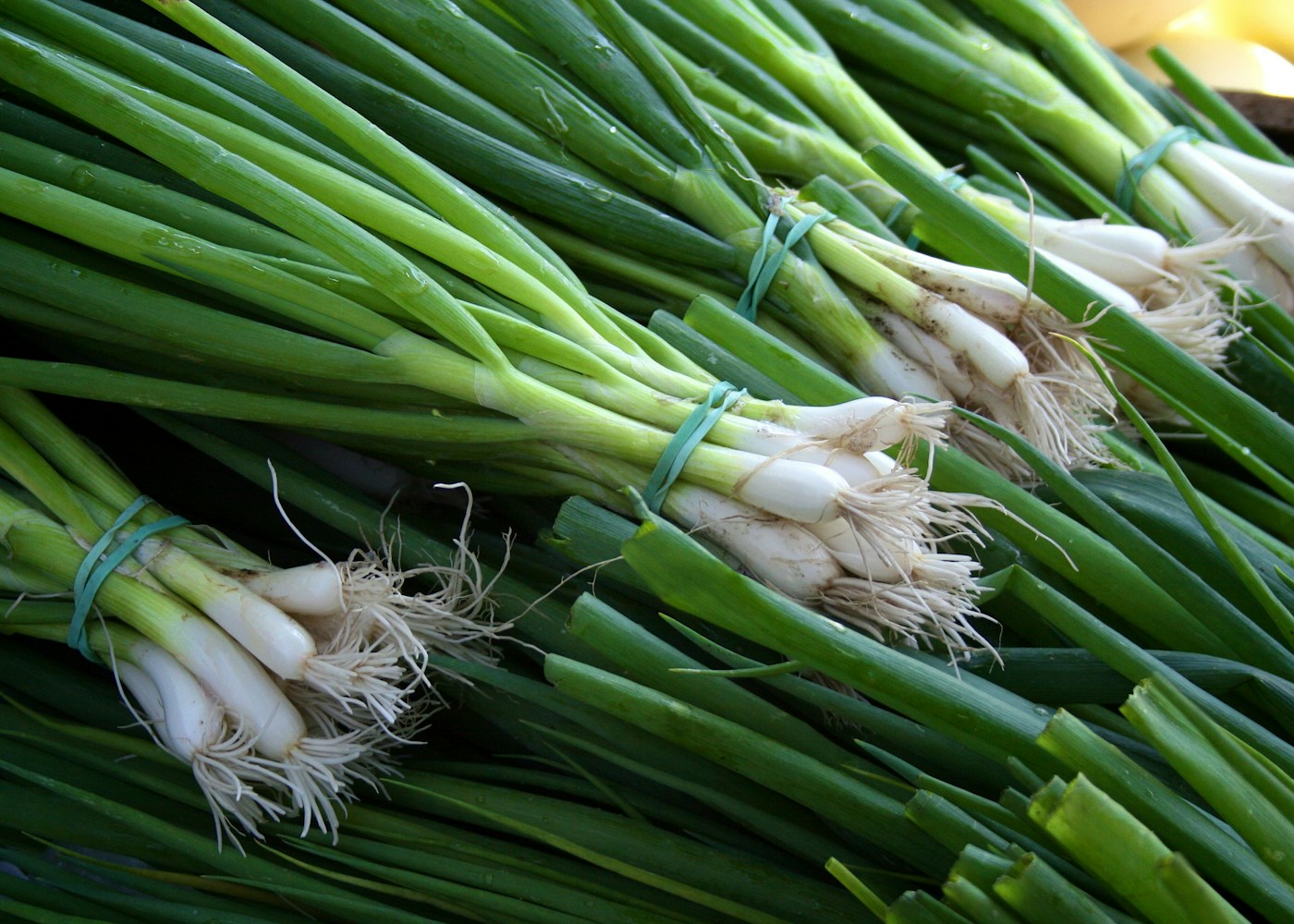
Spring onions suit a small harvest basket because the useful part arrives in slim portions. They do not need to become large bulbs before they reach the kitchen. The main challenge is keeping sowings small, upright, and evenly watered so the pot produces usable stems instead of a crowded brush of thin leaves.
Grow named spring or bunching onions for young stems. Read the variety description, because bulbing onions harvested young and perennial bunching types do not behave exactly alike.
Choose the position and prepare
Choose a bright outdoor position with safe, easy access for pulling individual stems. Avoid a container hidden behind taller crops. Long narrow leaves tolerate some crowding, but that is not the same as thriving in deep shade.
Use a draining pot deep enough for healthy roots, fresh growing medium for edible crops, a label, and a gentle watering can. A wide trough provides more harvesting space than a narrow decorative vase.
Sow thinly at the packet depth and keep the surface moist until seedlings establish. Thin or harvest early to prevent a dense mat. Multiple small sowings are easier to use than one very large simultaneous crop.
A manageable care routine
Water through the root zone and allow excess to drain. Small containers can dry before the narrow leaves show obvious stress. Check more often during windy weather, not only when air temperature rises.
Use the fertility already present in the mix and supplement only as directed. Avoid repeated strong feeds to force thicker stems. Spacing and light are usually more useful starting points when every onion is threadlike.
Remove weeds before their roots tangle with the crop. Harvest selected stems at a useful size, leaving neighbouring plants undisturbed. Loosen the mix carefully if pulling one threatens to lift a whole cluster.
Observe before changing the plan
Yellowing tips can follow several stresses, including inconsistent moisture, damaged roots, or aging foliage. Inspect the pot and growth pattern before treating. Discard plants with soft, rotting bases rather than bringing them into the kitchen.
Sow a short marked strip every few weeks while local conditions remain suitable. Record the interval between sowing and your preferred harvest size. Use that result to schedule the next batch for actual meals.
Adapt and renew
Choose local sowing windows and a suitable variety for cold-season production. Growth slows under low winter light. Hot dry weather can make a small pot difficult to manage even if the leaves appear tough.
Lift what you need, remove soil, and wash before preparing food. Clear old roots when the pot finishes, then refresh the growing setup appropriately. Repeatedly regrowing shop-bought bases is an experiment, not a substitute for a healthy planned crop.
Read the onion packet carefully
Spring onion is a kitchen description as well as a gardening label. Some varieties are bulbing onions taken young, while others are bunching types with a different growth habit. Buy a named variety and read its intended harvest and seasonal guidance. That information is more useful than assuming every slim green onion will behave identically in a pot.
Think about the size you use in cooking. Young slender stems may be ready before a much thicker crop, and a small container can be managed around that earlier harvest. There is little value in leaving every plant to reach the largest possible size if the household uses only a few stems at a time. A sequence of modest sowings usually gives more control.
Keep the label until the crop finishes. Note whether the plants formed a noticeable bulb, remained slender, or divided into clumps. Those observations help identify a useful variety for the next batch. Do not rely on repeatedly regrowing anonymous supermarket bases as the entire plan. It can be an interesting experiment, but seed or healthy named plants provide a clearer starting point and a more interpretable crop.
Make a fine sowing easy to maintain
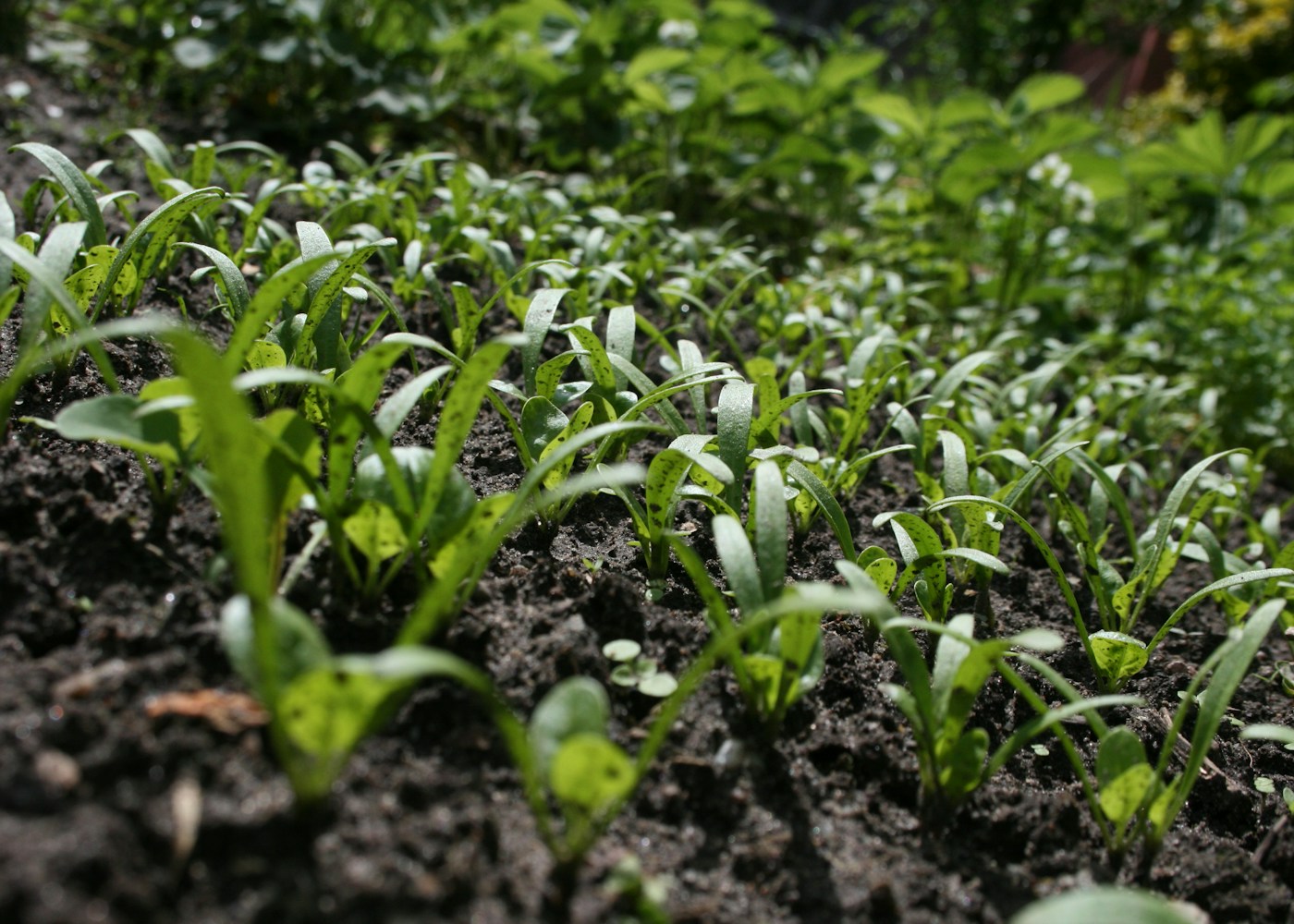
Fill the container with suitable growing medium, pre-moisten it, and level the surface gently. Sow at the packet depth and avoid dropping all the seed into one narrow clump. A thin marked row or section makes thinning and harvesting easier. Use a gentle watering method so the seed stays where it was placed.
Once seedlings appear, provide adequate light and check moisture before the small root zone dries. Long narrow leaves can look reasonably upright while the plant is still struggling below ground. Do not wait for dramatic collapse as the only watering cue. At the same time, ensure water drains freely; a narrow-leaved crop does not tolerate stagnant roots simply because it looks tough.
Thin or begin an early small harvest as density increases. If plants are raised in groups according to a chosen method, keep those groups modest and leave enough room between them. Crowding without a plan tends to produce many threadlike stems rather than a useful harvest. Record the sowing date so slow growth can be interpreted in relation to light, temperature, and the variety rather than guessed from appearance alone.
Use the container width for harvest access
A wide trough can be easier to manage than a narrow deep decorative pot because individual stems are visible and reachable. Arrange the crop so harvesting one does not require pulling through several neighbours. Keep the container clear of taller foliage that may shade it later in the season. A position that is sunny at sowing can become much darker as nearby summer plants expand.
When lifting a stem, loosen the mix gently if necessary and support adjacent plants. A dense cluster can come out as one root mat if pulled abruptly. Harvest the size you need and allow the remaining plants room to develop. This makes the harvest itself part of thinning, provided the crop is clean and suitable for eating.
Do not pile harvested onions on a dirty sill or patio surface. Use a clean bowl and remove soil before kitchen preparation. Wash thoroughly under clean running water. If the container has been exposed to animal waste or contaminated runoff, address that problem rather than assuming a pot-grown crop is automatically clean. The crop’s small scale makes a careful harvest routine easy to maintain.
Sow for continuity instead of abundance
Imagine needing four or five stems for a meal every week. One large sowing may supply far more than that at one stage and nothing while the next batch grows. Divide the available space or use two small containers, starting a new batch while the first is still developing. Adjust the interval to actual growth and consumption rather than following a rigid schedule.
Keep sowings labelled, especially if they share a trough. A late section will not be ready at the same time as the first, even when the leaves later blend together. Observe which batch produces the preferred thickness and texture. The useful measure is whether the kitchen receives enough stems at the right time, not how much seed fitted into the pot.
Local seasons shape the plan. Some varieties are suited to colder periods, but low light still slows growth. Hot dry conditions can increase watering demand and reduce quality in small pots. Use regional advice and the packet description to decide whether another sowing is sensible. Pausing until a better window can be more efficient than maintaining a succession of stressed plants merely to preserve a calendar habit.
Investigate yellow tips with context
Yellowing at the tip of a narrow leaf can look like a simple deficiency, but several stresses can produce similar effects. Check whether the oldest leaves alone are changing, whether the base is firm, and whether the mix is dry or persistently wet. Note recent heat, transplanting, or feed applications. This history is more useful than adding fertilizer immediately.
Discard plants with soft decaying bases and identify a spreading problem before moving plants or reusing questionable material. If a treatment is needed, choose one permitted for edible onions and follow its directions, including any harvest interval. Keep measuring equipment separate from kitchen utensils and retain product labels.
At the end of a pot, clear old roots and inspect the growing setup. Was the container too small to remain evenly moist? Did the crop become shaded? Was the sowing simply too dense? Record the answer with the variety name and preferred harvest size. Spring onions can be a dependable small crop when the routine is modest and repeated. They are less rewarding when one crowded pot is expected to supply unlimited stems without renewal.
A small sowing schedule for actual meals
Suppose a household uses only a few spring onions each week. Divide the available trough into three labelled sections rather than sowing the whole surface at once. Start the first section and observe emergence. Begin the next only when the first is established and the local season still suits another sowing. The third section remains flexible rather than becoming an obligation to use more seed.
As stems reach the preferred size, harvest selectively and note how many meals the section supplies. If it produces too much at once, reduce the next sowing. If the crop is consistently too slight, consider a larger suitable container or a second pot rather than allowing dense seedlings to compete. Keep each batch identifiable until cleared.
At the end of the trial, compare growth with light and moisture. A section shaded by a neighbouring plant may lag even though it was sown only slightly later. A narrow dry edge can also explain thinner stems. These are reasons to improve the position, not to add a stronger feed automatically. The useful outcome is a modest supply that arrives at a pace you can use. A clear small-scale plan makes spring onions easier to manage than one crowded pot expected to provide indefinitely. Wash every harvest and keep the growing area protected from contamination as part of that routine.
Further reading
Horticultural references for continued learning: