Start with the plant and the place
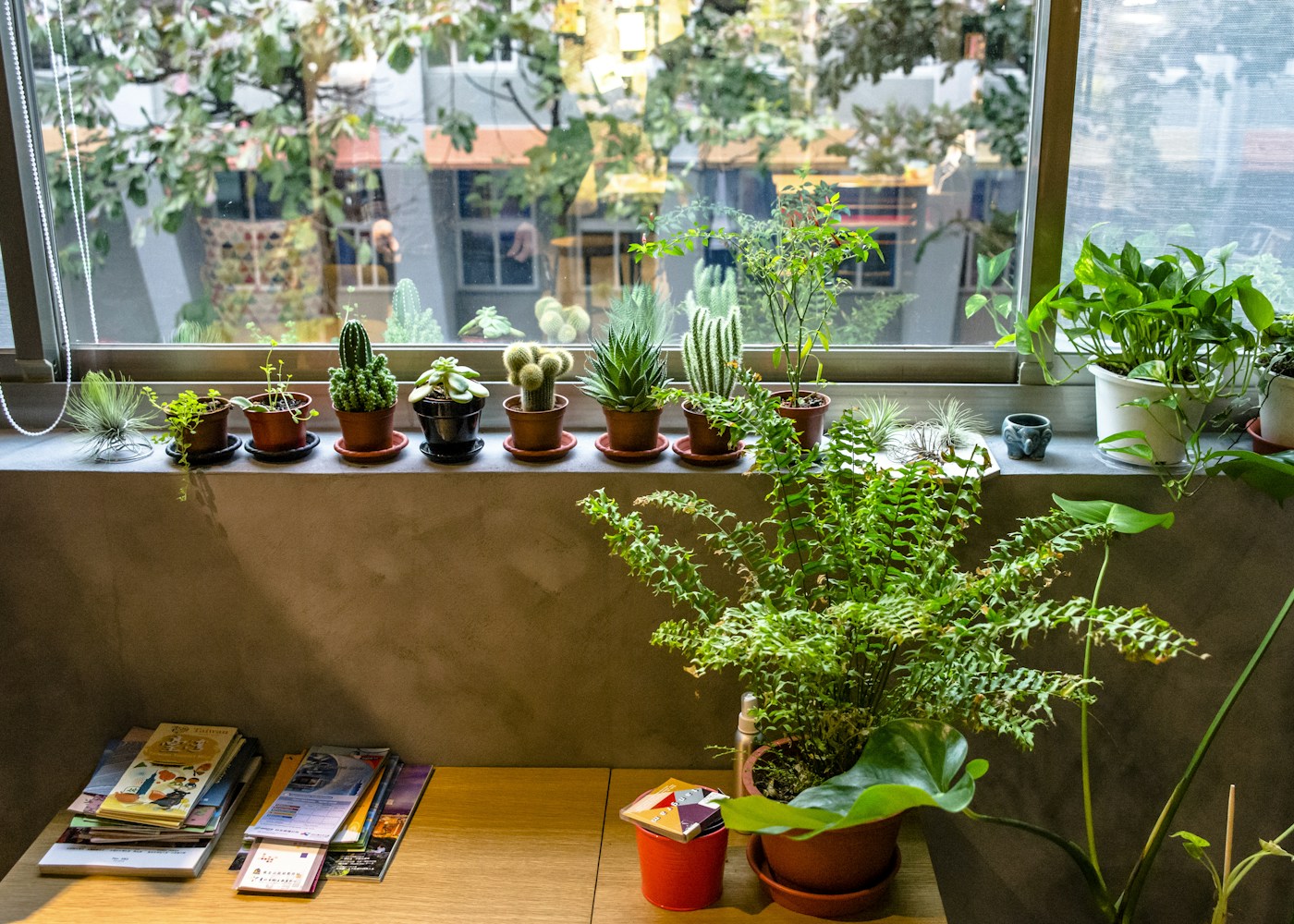
A windowsill herb garden is most useful when its scale matches the light and the cook. A few leaves of chives or a modest basil harvest can be worthwhile, while a crowded row of struggling supermarket pots becomes another chore. Start with the window, choose crops that suit it, and keep enough space to water and inspect each container without moving the whole kitchen.
Assess the useful growing light
Kitchen brightness from ceiling lights is not equivalent to strong daylight. Herbs such as basil generally need good light to remain productive indoors.
Look at the leaf position rather than the overall impression of a bright kitchen. A deep sill, tinted glass, outdoor obstruction, or curtain can reduce light substantially. In some homes the best kitchen window still does not provide enough useful light for vigorous herbs through the darker season. Supplemental lighting can help if it is suitable and safely installed, but a decorative ceiling lamp is not automatically equivalent. Keep plants away from hot cooking surfaces and unstable ledges while solving the light problem. The most convenient display position may not be the most productive growing position.
Observe direct sun and consider suitable supplemental lighting where natural light is inadequate.
Choose crops you actually use
A small collection of frequently used herbs is more practical than a large assortment bought for appearance. Species also differ in moisture and temperature preferences.
Think about the meals you cook and the amount you use at one time. A pot of chives can provide small cuttings, while a recipe requiring a large bunch of basil can strip a small plant in one session. Perennial and annual herbs also have different life cycles. Mint generally wants more moisture than rosemary, so separate pots make management easier. Start with choices suited to both the window and the kitchen routine. If the plant never contributes to a meal or cannot replace what you harvest, reconsider the crop rather than keeping it solely because it came in a set.
Select two or three plants and keep their care needs separate.
Give each herb a draining pot
A decorative trough without drainage can leave roots wet while the surface appears tidy. Separate inner pots make individual watering easier.
Check that each pot can be removed from the tray without disturbing every neighbor. A tray protects the sill only if it remains sound and you empty excess water. Wooden or painted surfaces can be damaged by moisture trapped underneath, so inspect them periodically. Avoid placing pots where opening the window knocks them over. Tall herbs can also lean toward the glass and become unstable. A simple row with space between containers is easier to care for than a densely packed trough whose roots, moisture levels, and drainage cannot be checked separately.
Use a waterproof tray that protects the sill and can be emptied.
Start with suitable clean mix
Edible container plants need a medium intended for growing plants. Garden soil can compact and unknown reused materials may introduce contaminants.
Use a container mix appropriate for edible crops and avoid material with an unknown history. Reused pots should be sound and clean. Do not collect soil from a roadside or assume that a household vessel previously holding chemicals becomes suitable after a quick rinse. Seedlings and supermarket herbs may arrive in different media, so observe how each pot behaves after watering. A small label with the plant name and purchase or sowing date helps distinguish a genuinely exhausted annual from a plant you have only just established. Keep fertilizers and other garden products away from food storage.
Use clean pots and horticultural mix appropriate for the crop.
Keep heat sources in mind
Ovens, radiators, and hot panes can change water demand. A kitchen sink nearby does not make constant small splashes the best routine.
Kitchens fluctuate in temperature and humidity. Steam from cooking is temporary, while a radiator beneath the sill can dry a pot quickly. Cold glass at night may create another stress. Inspect moisture according to the crop and container, and move vulnerable foliage away from extreme surfaces. Water slowly into the mix rather than splashing the leaves and food-preparation area. Allow drainage and empty the tray. If a pot seems to need water much more often than its neighbors, investigate root crowding, container size, and heat exposure rather than watering the entire row more frequently.
Check the root ball and water thoroughly when the crop needs it.
Harvest without stripping the plant
Taking every healthy leaf removes the plant’s ability to support new growth. Basil benefits from thoughtful tip harvesting above a suitable leaf pair.
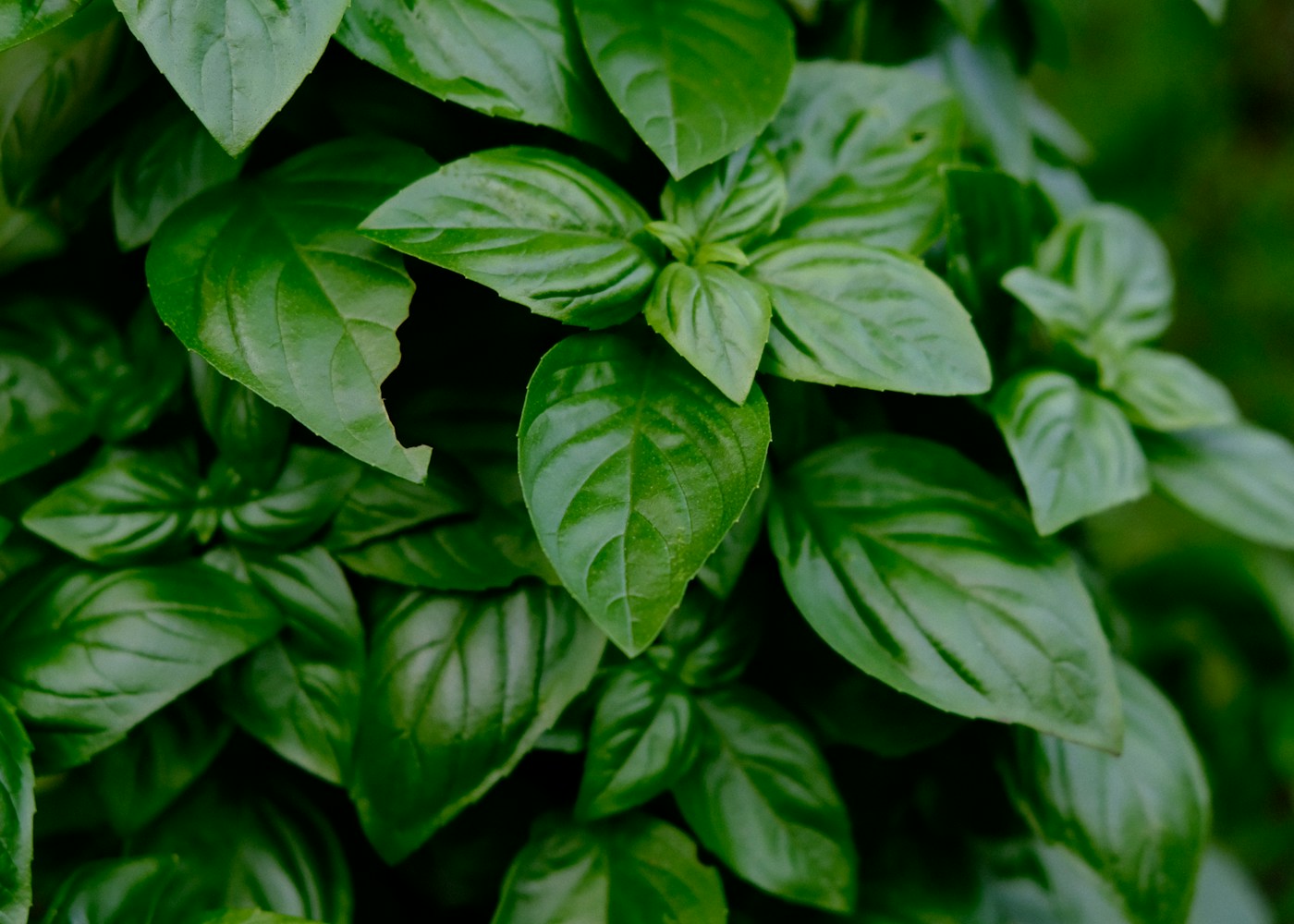
For a branching herb such as basil, cutting above an appropriate pair of leaves can encourage side growth while preserving working foliage. Other crops have different harvest habits, so identify the plant before cutting. Use clean scissors and take only what the plant can replace under the available light. Remove flowers where appropriate to the crop and your goal, but do not expect that one action to keep an annual productive forever. Wash harvested material appropriately before use and follow any label restrictions if the edible plant has received a treatment.
Leave enough healthy foliage and use clean scissors.
Treat supermarket herbs as crowded crops
Several seedlings may occupy one small grocery pot. They are grown for quick sale rather than necessarily for a long indoor life.
A grocery pot may contain many seedlings packed together for an immediate display. Separating them can be useful, but tearing every tiny seedling apart may cause unnecessary damage. Work gently with suitable clumps and provide small draining containers. Newly divided plants need time to establish, so postpone heavy harvesting. Some crops sold as herbs are short-lived in indoor conditions or perform better when resown regularly. Read the plant identity and life cycle instead of assuming that every supermarket pot should become a permanent houseplant. A fresh sowing can sometimes be the more realistic next step.
Inspect crowding and separate or pot on suitable clumps carefully where the species allows it.
Support repeated harvests appropriately
Regular harvesting removes plant material, but feeding should still follow the crop and product instructions. Strong fertilizer does not compensate for low light.
Use a fertilizer intended for the edible crop and follow its dose and frequency. Account for nutrients already present in the medium. A struggling herb in poor light will not become a productive kitchen supply through stronger feeding. If growth is pale and weak, review the exposure, roots, and watering before adding supplements. Do not pour unknown kitchen mixtures into the pot simply because the plant will be eaten. Predictable inputs make it easier to manage both plant health and harvesting. Keep measuring equipment separate from ordinary cooking utensils and store products in their labeled containers.
Choose a product suitable for edible plants and observe any label precautions.
Watch for pests around new purchases
Kitchen herbs can carry aphids, mites, or other pests. Food-preparation areas are a poor place for improvised pesticide use.
Inspect leaves and stems when bringing a new herb home. Aphids can cluster on soft growth, while other pests may be harder to see. Isolate a suspect plant from the rest of the sill and identify the problem. In an edible indoor setting, treatment choice must fit the crop, location, and local permissions. Follow any harvest interval on the label. Avoid improvised pesticide recipes near food. A heavily infested short-lived herb may not be worth an elaborate rescue, but dispose of it responsibly and clean the surrounding area before introducing a replacement.
Inspect new plants and use only locally permitted treatments labeled for the edible crop.
Accept the seasonal limits
Indoor herbs may become less productive as daylight changes. Replacing an exhausted annual can be more sensible than forcing it indefinitely.
Track a few harvests rather than judging the garden only by how full it looks. If a pot steadily replaces modest cuttings, the setup is working. If it declines each time you cook, reduce the harvest or change the crop. Seasonal daylight may make a windowsill useful in one period and less productive in another. You can sow small succession batches where appropriate instead of expecting one plant to last indefinitely. Keep the strongest performers and resist crowding the sill with replacements until you understand why the previous plants struggled.
Keep a note of harvests and repeat the crops that genuinely suit the window.
Can mint share a pot with rosemary?
They often make an awkward pairing because mint generally prefers more moisture than rosemary. Their growth habits differ too, with mint capable of filling available space rapidly. Keeping them in separate pots lets you arrange them together visually without imposing one watering routine. Check local growing conditions and the exact plants you have. A mixed herb display should be built around compatible needs rather than around the idea that all herbs belong in one container.
How large a harvest should I expect?
A windowsill garden usually provides small additions to meals rather than a continuous supermarket-scale supply. Light, root space, crop choice, and harvest frequency set the limit. Take modest amounts and leave healthy foliage to sustain regrowth. If a plant cannot replace what you remove, reduce harvesting or improve suitable growing conditions. Success can be a few fresh leaves used well; expecting a small indoor pot to supply every recipe leads to repeated disappointment.
Harvesting for one meal
Before cutting a large bunch for a recipe, look at how much healthy foliage will remain. If the harvest would strip a small basil plant, take less and use another source for the rest. A windowsill garden can contribute freshness without supplying the entire dish. After cutting, observe how quickly the plant replaces the growth under the current light. That response sets a more realistic harvesting interval than a promise of endless herbs. Keeping the crop productive is a balance between use and regrowth, and the balance changes as the season and plant maturity change.
Further reading
Horticultural references for continued learning: