A practical place to begin
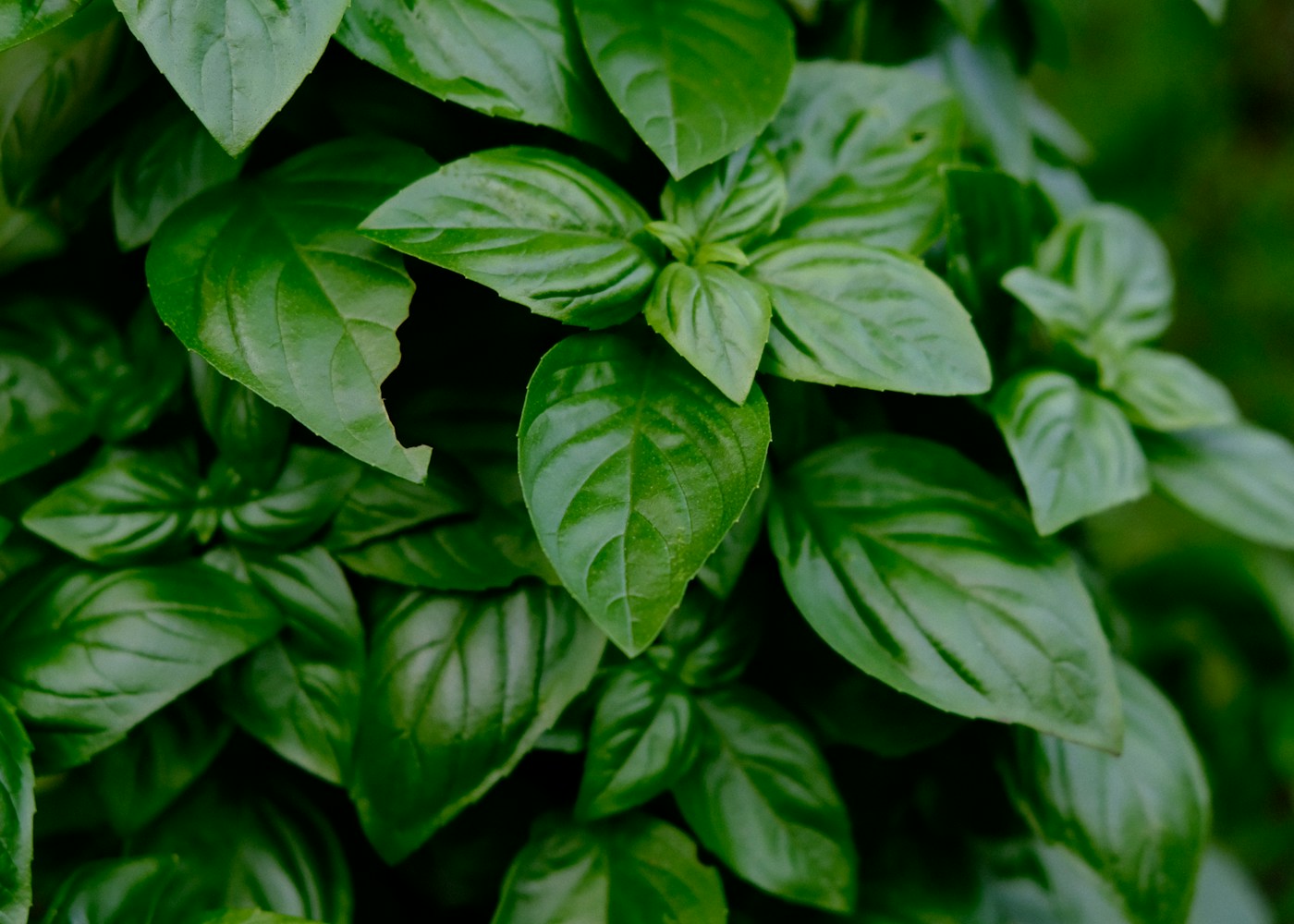
A supermarket pot of basil looks generous because it often contains many seedlings pressed together. Left that way, the stems compete, the mix dries unpredictably, and a large first picking can leave almost nothing. Basil becomes a better kitchen plant when it has warmth, light, root space, and a clear branching structure.
Build a plant with several healthy branches before expecting frequent harvests. Use basil for its leaves and aroma, without assuming that cutting it harder will always make it grow faster.
Choose the position and prepare
Choose a warm bright position sheltered from cold wind. Outdoor basil is tender, so wait for locally suitable settled warmth. Indoors, a dim kitchen counter is rarely enough even if it is convenient for cooking.
Use a draining pot and fresh potting mix, with a tray that can be emptied. If dividing a crowded purchased pot, separate manageable clusters while preserving roots instead of tearing every seedling apart.
Sow a few seeds per small pot or plant a healthy young specimen at its original depth. Acclimatize indoor-grown plants gradually before outdoor planting. Avoid bruising soft stems while settling the root ball.
A manageable care routine
Check the root zone before leaves collapse. Water thoroughly, allow drainage, and empty the outer pot. Cold wet mix is especially unhelpful, but repeated severe drying also stops the steady leaf growth you want.
Feed moderately during active growth with an edible-crop product as directed. Overfeeding is unnecessary and may create a large soft plant that is difficult to manage. Fresh mix often supplies the initial nutrients.
Cut a shoot just above a healthy leaf pair, leaving lower leaves and growing points. Distribute picking across the plant. Remove flower buds if leaf production is the priority, while leaving another plant to flower if desired.
Observe before changing the plan
Blackened leaves can follow cold exposure or physical damage; do not automatically blame lack of water. Persistent yellowing and a wet pot call for a drainage check. Remove badly affected plants rather than repeatedly treating unknown symptoms.
Let one small plant branch before substantial picking and harvest another too early only as a modest comparison. Observe which retains more healthy leaf area. The lesson is to pace harvesting against actual regrowth.
Adapt and renew
Treat basil as a warm-season crop in cool climates and plan a replacement sowing before the old plant becomes woody. An indoor pot may last longer under adequate light, but winter growth can be much slower.
Harvest only leaves from a correctly identified edible basil plant and wash before use. Cut stems cleanly, use the leaves promptly, and start a new batch when vigour declines. Succession is often easier than rescuing a badly depleted pot.
Turn a crowded pot into a growing plan
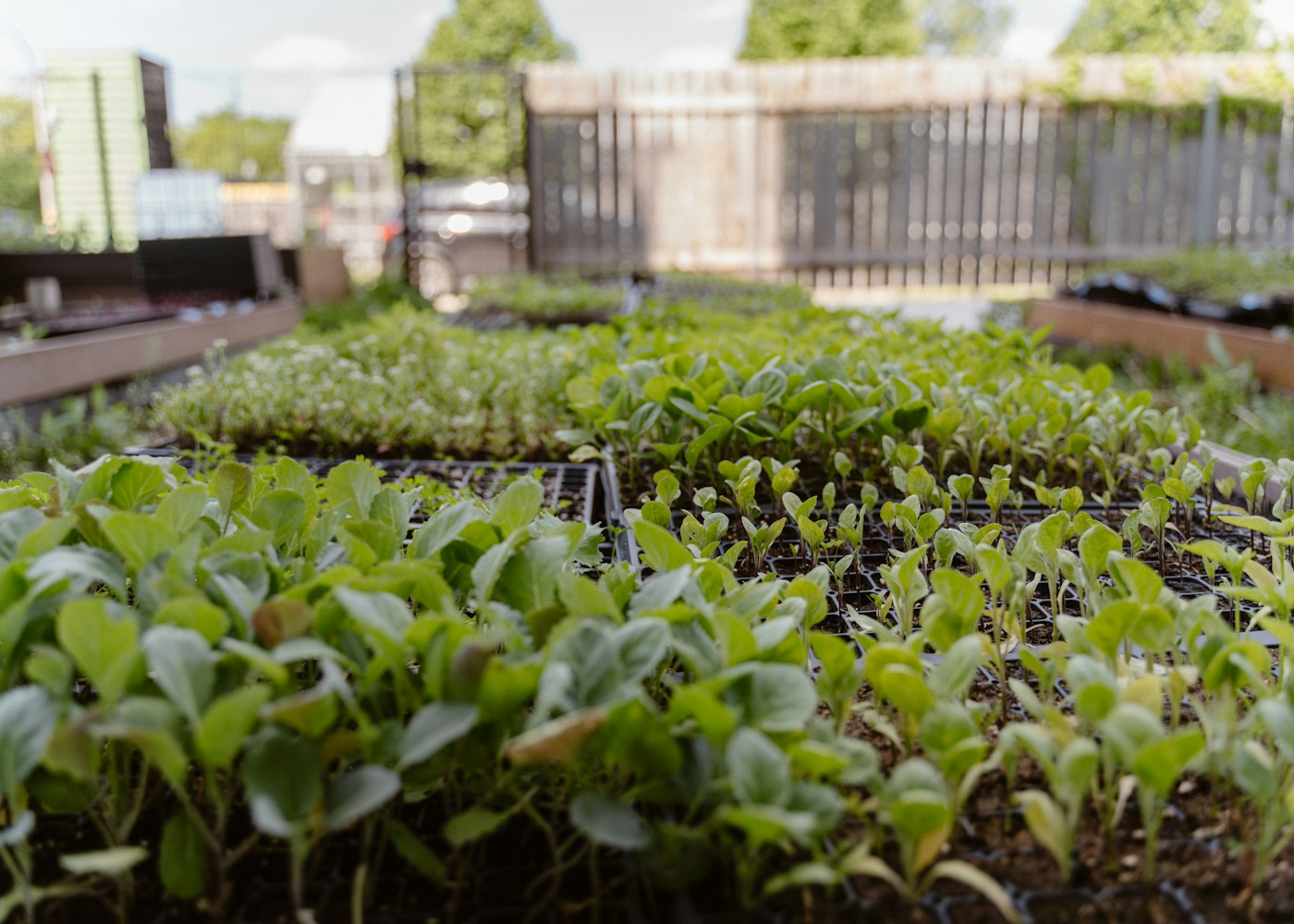
A purchased basil pot can contain many slender seedlings because it is sold for an immediate leafy appearance. Count the stems and look at the available root volume before expecting it to become one long-lived plant. You may choose to harvest it as a short-term kitchen crop, or divide it into manageable groups for growing on. Both choices are reasonable. The mistake is treating a densely packed retail pot as though each seedling already has the space of an established garden plant.
If dividing, moisten the root ball appropriately and ease small groups apart with as little tearing as practical. Pot them into suitable containers, keep them warm and bright, and allow recovery before heavy picking. Some loss of older leaves may occur after disturbance, so assess the condition of new growth as well. Do not divide, severely prune, and expose the plants to full outdoor sun on the same day. Each change asks the plant to adjust.
Starting from seed gives more control over density. Sow a modest batch and thin or pot on before competition becomes severe. Keep the variety name, since leaf size, flavour, and growth habit differ among basils.
Use warmth and light together
Basil often looks convenient on a kitchen counter, but convenience and adequate light are different things. A position far from the window can leave stems long and weak. Moving the plant to brighter light may improve growth, provided the change is gradual enough to avoid scorching tender foliage. If the only available window is dim for much of the year, treat basil as a seasonal crop or use a suitable grow light according to its instructions.
Warmth matters too. A bright window beside cold glass or a draughty door can create stress even when the room feels comfortable. Outdoors, wait for locally suitable settled conditions and acclimatize indoor-grown plants. Tender leaves can be damaged by cold before an actual frost occurs. A sheltered sunny site is more useful than an exposed location chosen only for the longest possible day.
Notice the plant’s response over several days rather than moving it repeatedly after every imperfect leaf. Keep a record of the position and recent changes if symptoms appear. That makes it easier to distinguish a light problem from cold injury, root stress, or physical bruising during harvesting.
Cut for branching rather than stripping
Look along a healthy stem for a pair of leaves with developing growth at their bases. A cut just above that point leaves the plant with useful structure for branching. This is different from picking every large leaf off a tall bare stem. Begin with a modest cut once the plant is established, then let the new branches develop before the next substantial harvest.
Spread picking around the plant so one side is not repeatedly depleted. If only a few leaves are needed, take them without damaging the centre of a developing shoot. When cooking requires a large quantity, harvest from several plants or plan a separate batch rather than expecting one small pot to recover instantly. A good basil crop has enough leaves left to support itself after the meal is prepared.
Flower buds change the balance of growth. Remove them if tender foliage is the main priority, while recognising that an older plant may eventually become woody and less convenient despite regular pinching. Keeping a replacement sowing is often simpler than continually trying to restore a tired plant. A second young pot also gives the first one time to regrow between harvests.
Read the root zone before the leaves collapse
Basil leaves can show water stress dramatically, but waiting for collapse on every occasion is a poor routine. Check pot weight and the growing medium while the plant still looks normal. Water thoroughly when needed, let the excess drain, and empty the outer pot or tray. A decorative cover can hide several centimetres of water even when the visible surface looks dry.
Repeated wilting can come from an undersized root volume, very bright hot exposure, or an inconsistent watering pattern. Increasing fertilizer does not solve those causes. Equally, a plant wilting in wet mix may have damaged roots and should not receive another automatic soaking. Inspect the conditions and recent care before reacting to the leaves alone.
Keep watering gentle enough to avoid splashing mix onto leaves intended for food. If a dry root ball has shrunk from the pot wall, apply water in stages and check that the centre has rewetted. Water running straight through a gap can create a wet tray without supplying the roots. The useful result is an evenly moist functioning root zone, not the largest visible amount of runoff.
Plan a replacement before quality declines
A basil pot can remain useful for a long period under good conditions, but its productive life is not unlimited. Note when stems become woody, leaves become smaller, or regrowth slows despite suitable light and moisture. Those signs may indicate that a new sowing would give a better return than more intensive care. Start the replacement while the current plant still provides a modest harvest, so the kitchen supply does not depend on an exhausted specimen.
Keep food hygiene simple and consistent. Harvest with clean tools, wash leaves before use, and remove damaged or decayed material. If a pest treatment is necessary, use only one labelled for edible basil in the relevant location and observe its instructions. Do not assume a homemade spray is safe to eat because it contains household ingredients.
At the end of the crop, review what worked. Was the pot large enough? Did the plant receive real growing light or merely sit in a bright-looking room? Did harvesting leave enough healthy growth? These questions produce a useful next attempt. Basil is especially rewarding when the routine follows its warm, leafy growth rather than trying to force a permanent kitchen ornament to supply every recipe.
Rescue the routine before replacing the plant
Suppose basil repeatedly wilts by late afternoon, recovers after watering, and then begins to yellow. Before declaring it a difficult herb, examine the routine. Is the pot still the tiny crowded retail container? Does water collect in a decorative cover? Is the plant exposed to hot glass during the day and a cold draught at night? Several small problems can combine into a cycle of stress.
Correct the most obvious growing issue first. Empty trapped water, provide suitable light and warmth, and check the actual root-zone moisture. If crowding is severe and the plant is otherwise healthy, consider an appropriate division or replacement rather than feeding more strongly. Pause heavy harvesting while the plant re-establishes a healthy canopy.
Watch new growth over time and avoid demanding that old damaged leaves recover their original appearance. If fresh shoots are healthy and moisture becomes predictable, the adjusted routine is working. If decline continues despite suitable conditions, inspect for root or pest problems and consider starting a new labelled batch. Basil is a crop, so replacing a badly depleted plant is reasonable. The useful lesson is to avoid carrying the same unsuitable setup into the replacement. A warm bright position, adequate root space, thorough drainage, and measured picking give the next plant a better chance than simply choosing a larger bunch of leaves at the shop.
Further reading
Horticultural references for continued learning: