A practical place to begin
Winter care begins when the room changes, not when a particular month arrives. Daylight shortens, heating starts, and the same pot that dried in a few days may remain damp much longer. The sensible response is to observe each plant again rather than applying one winter rule to an entire collection.
Maintain healthy roots and adequate light while allowing growth to slow naturally. A season with fewer new leaves can still be a successful season if existing growth remains sound.
Choose the position and prepare
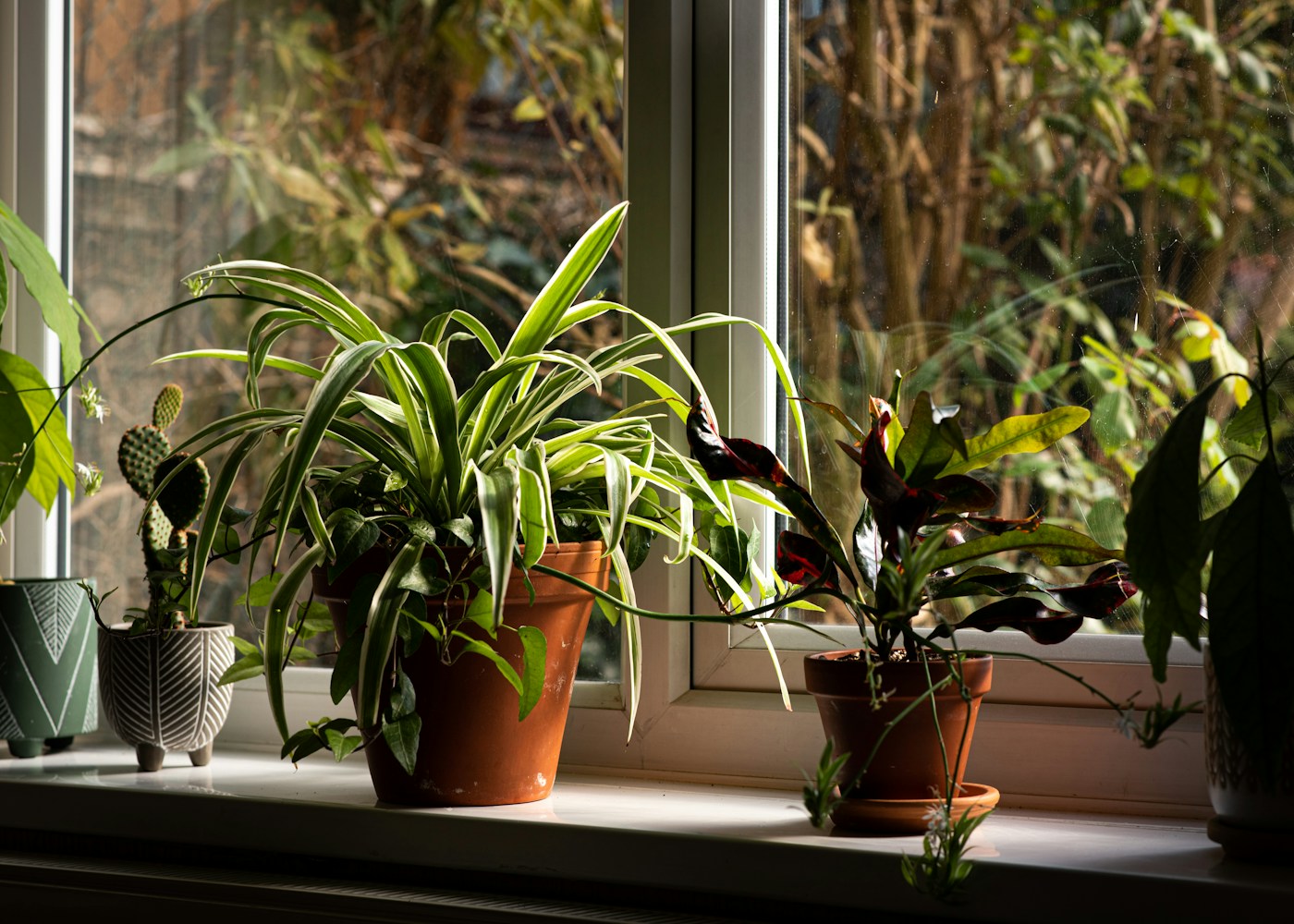
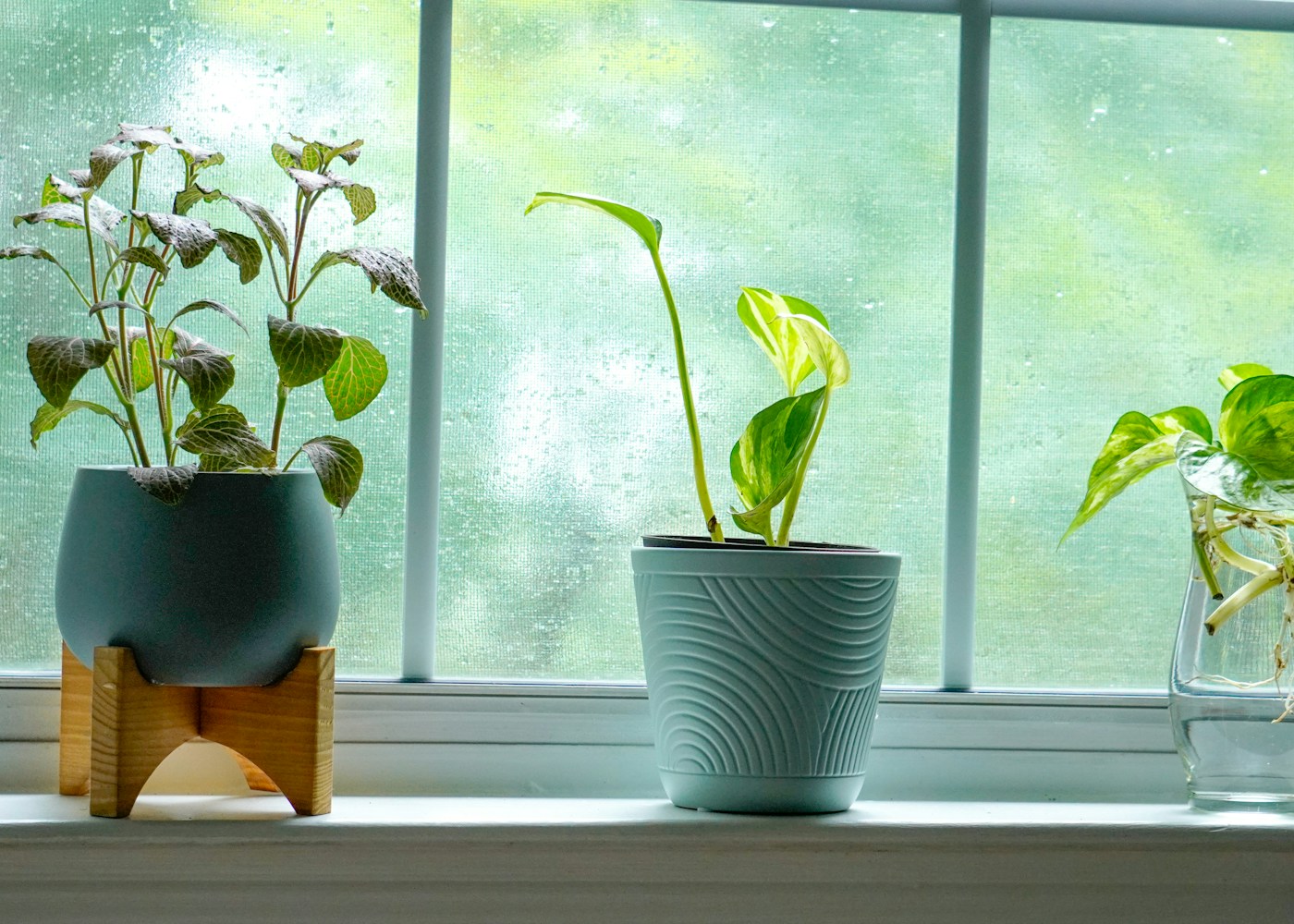
Check daylight at leaf level and keep plants clear of freezing glass, draughty doors, and direct heating vents. A move closer to a bright window can help, but cold contact and sudden exposure to strong sun still need attention.
Keep a small watering can, a clean cloth, plant labels, and a room thermometer if temperatures vary. A grow light may help a genuinely dim site, provided its use suits the plants and the fixture instructions.
Move plants in small considered steps rather than rearranging the whole room at once. Record the new position and inspect drainage. Avoid repotting a healthy slow-growing plant simply because winter leaf growth has paused.
A manageable care routine
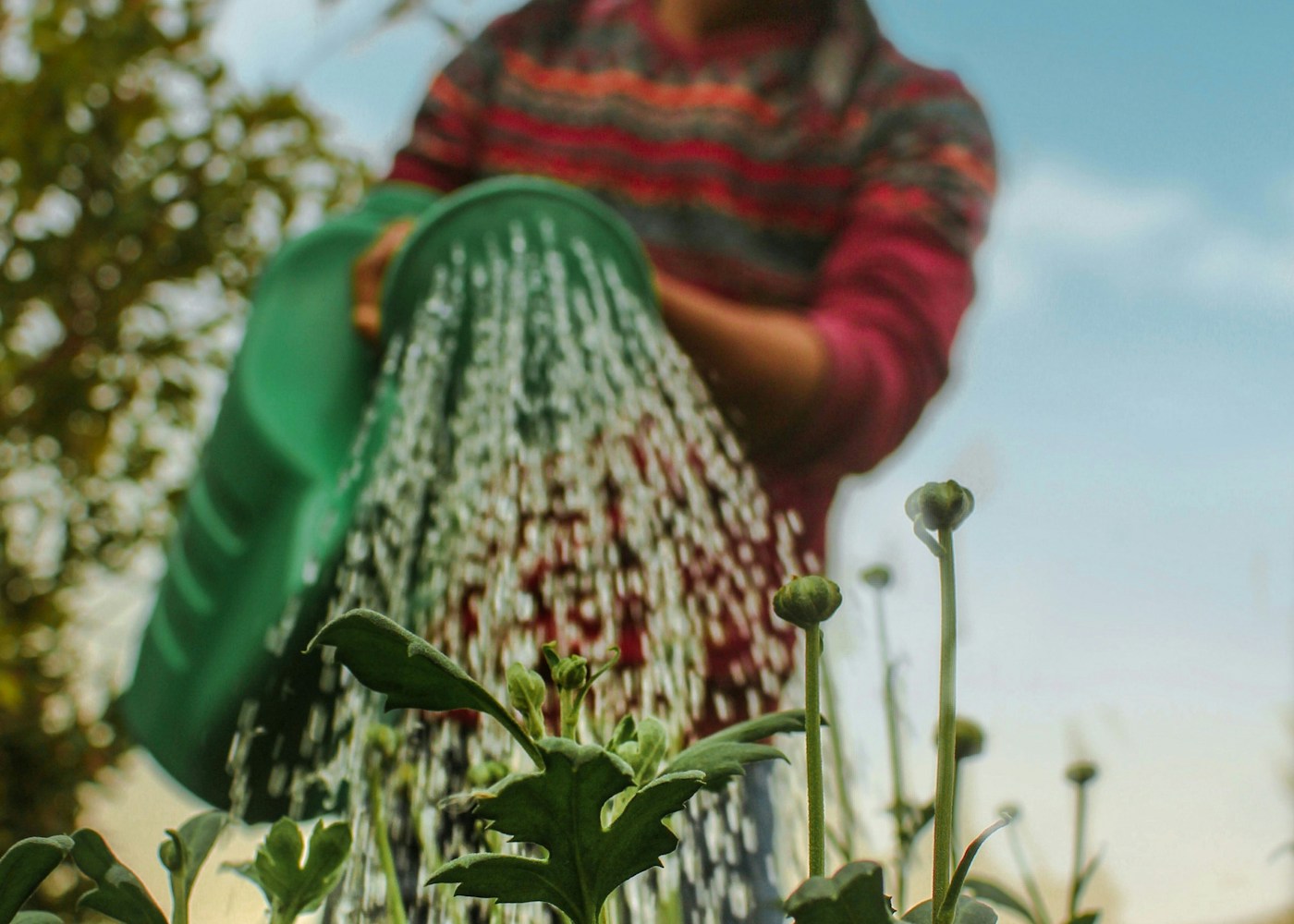
Check the mix and pot weight before watering. Dry room air does not prove the roots are dry. Water thoroughly when needed, drain fully, and never let a decorative outer pot become a hidden reservoir.
Reduce or pause feeding when growth is minimal, according to the plant and product guidance. A plant actively growing under adequate supplemental light may need a different approach. Feeding cannot replace missing light.
Wipe dust from suitable leaves, inspect undersides for pests, and remove dead material. Rotate a pot only if useful for its growth habit. Keep an eye on plants behind curtains, where night temperatures can differ sharply from the room.
Observe before changing the plan
A few older leaves may age naturally, but widespread yellowing calls for a moisture and light check. Crispy tips do not identify one single cause. Inspect roots and environmental changes before adding water, feed, or treatment.
Track the drying interval of one representative pot before and after heating begins. Use the result to adjust checking frequency, not to create a permanent watering appointment. Recheck after a change in light or room use.
Adapt and renew
In tropical climates, the meaningful transition may be a wet or dry season rather than a cold winter. Follow actual indoor conditions and plant growth. Hemisphere-specific calendars are less useful than local light and temperature.
Resume more active care as growth and water use increase. Check roots when there is a real reason to repot. A careful winter routine should leave the plant ready to grow, without forcing it to perform as if every day were midsummer.
Find the winter position before moving the collection
Stand beside the plant and look back toward the window. A bright view across the room does not mean that much light reaches the leaves. A tall cabinet, a deep window reveal, or a neighboring building can remove most of the useful sky. As the sun becomes lower, a position can also receive a narrow shaft of direct light that never reached it in summer. Move gradually, watching the actual path of that light rather than relying only on the direction the window faces.
Clean the glass if it is accessible and safe, then clean dusty leaves using a method suitable for their surface. These are small improvements, not a replacement for a genuinely brighter position. Keep foliage clear of cold glass and away from a door that admits repeated drafts. Where a radiator sits beneath the best window, a stable stand that separates the pot from the heat may be more useful than moving the plant into darkness. Check that watering cannot drip onto the appliance. A grow light can help where daylight is insufficient, but use a purpose-made fixture according to its instructions, with a suitable distance and a regular dark period. A decorative room lamp is not automatically adequate growing light.
Relearn the weight of each watered pot
Choose a normal watering day and handle one plant at a time. Check the root zone before watering, apply water evenly when it is needed, let the pot drain completely, and lift it carefully. That gives you a reference for its recently watered weight. Repeat the lift during subsequent inspections. The comparison is most useful with the same inner container; a heavy ceramic cover pot can hide the difference. Large specimens may need a moisture check at depth instead of lifting.
Record the date and the condition that prompted watering, then wait for the plant to reach that condition again. If the interval becomes longer, keep the observation appointments while reducing the actual watering. Do not turn a weekly inspection into a compulsory weekly dose. Conversely, a small fern beside central heating may still dry quickly, so extending every plant to a monthly schedule can be equally damaging. Look at the whole root ball. A dry surface above cool wet mix is different from a pot that is light throughout. When an established pot remains wet much longer than usual, investigate drainage, light, and roots before adding another small drink. Frequent little additions can keep the upper medium constantly damp without moistening the entire root system properly.
Separate active plants from plants taking a pause
Winter does not describe a single physiological state. A plant in a warm bright room may continue making leaves, while a similar plant in a cooler dimmer position slows considerably. Some species need a specific rest to flower well; others are simply responding to reduced light. Keep the species label or a reliable identification so you can distinguish those needs. Do not impose a dry rest intended for one kind of bulb or cactus on a leafy tropical plant.
Feeding decisions should follow useful growth and the instructions for the particular product. Small pale growth made in inadequate light is not a reason to increase fertilizer. Improve the growing position first. A plant purchased in flower can also have production conditions very different from the room it has entered. Keep it comfortable, remove spent flowers where appropriate, and accept that the next flowering cycle may require different seasonal conditions. Avoid routine repotting of a healthy resting plant merely because the calendar says winter maintenance. If roots are rotting or drainage has failed, that is a separate problem that may justify intervention. Otherwise, postpone unnecessary disturbance until the plant can resume growth and use the refreshed root environment.
Recognize the difference between dry air and wet roots
Brown tips can lead to a misleading chain of care: the air feels dry, so the plant is watered more often, while its cool root ball never dries. Low humidity and saturated roots can occur together. Check them separately. Leaf edges that dry near a hot air outlet call for a better position; a sour wet root zone calls for investigation below the leaves. Repeated misting briefly wets foliage but does not establish a stable humid climate throughout a heated room.
If humidity-sensitive plants repeatedly struggle, measure the room with a basic hygrometer and consider whether the species suits it. A humidifier can be useful when maintained hygienically and used safely, but it is not a substitute for light or drainage. Keep equipment clear of electrics, walls, and furnishings that cannot tolerate moisture. Grouping suitable plants can make maintenance easier, yet packing leaves tightly together makes inspection difficult. Leave enough space to see stems and leaf undersides. Watch particularly for fine webbing, sticky deposits, and scale-like bumps during the heating season. Confirm an insect before treating it, isolate affected plants where practical, and use only products appropriate for the plant and the indoor location.
A short winter review that leads to a decision
Imagine three pots that were watered on the same day: a large rubber plant near a bright window, a pothos farther into the room, and a small fern near a warm passage. At the next inspection, the rubber plant may still hold substantial moisture, the pothos may have barely changed, and the fern may be approaching dryness. Their shared last-watering date is less useful than the current condition of each root ball. Water the one that needs it and leave the others, while checking whether the fern can move away from the warm airflow.
A weekly review can remain brief. Look for a new leaf, note any widespread leaf loss, check drainage, and compare the pot with its own previous state. Remove fallen debris so it does not conceal pests or stay wet against stems. An occasional old yellow leaf can be ordinary turnover; a sudden group of damaged leaves after a cold night deserves a closer investigation. Photograph an uncertain problem once in good light, record the relevant change, and avoid moving the plant repeatedly while you wait. The goal for a difficult low-light season may be maintaining a sound root system and healthy growing points rather than producing impressive new foliage.
A windowsill that changes when the heating starts
A useful winter check is to visit the same window twice: once with the heating off and once during its normal evening cycle. Feel the air movement near the plant without touching hot equipment, and note whether leaves sit directly above an outlet. A pot that is comfortable during the day may spend every evening in a stream of hot dry air. Changing the plant’s position slightly can reduce that exposure while retaining the useful daylight.
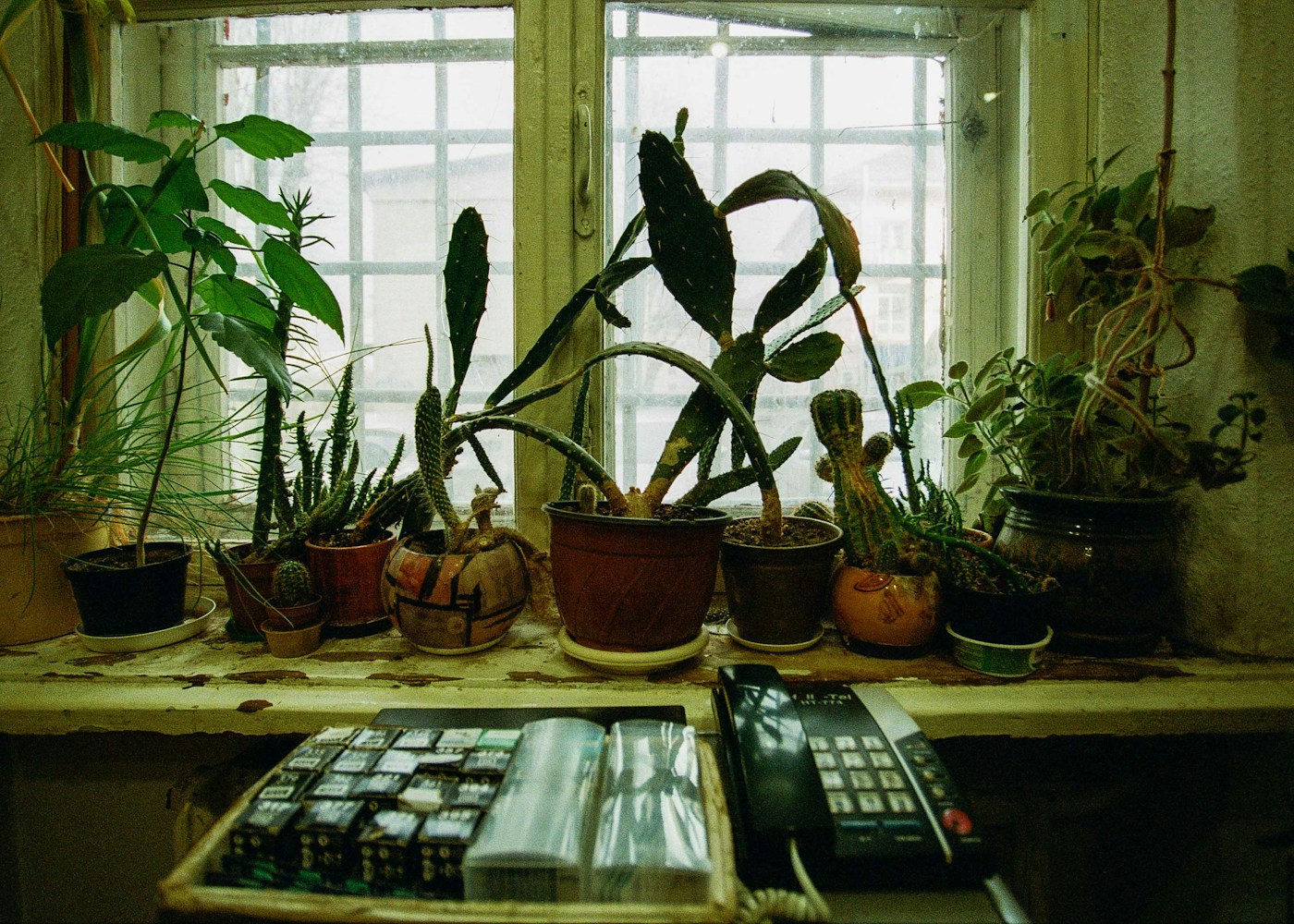
Check the nighttime arrangement too. A curtain drawn behind the plant can separate it from the room’s warmth and leave it in a cold pocket beside the glass. A curtain drawn in front can remove the light the next morning if it stays closed. Establish a position that works with the way the room is actually used. Do not wedge a plant where someone must move it every time they open a window. The best location is stable, inspectable, and compatible with ordinary household habits. Make one change, observe the following growth and moisture pattern, and keep the adjustment only if it improves those conditions.
Further reading
Horticultural references for continued learning: