A practical place to begin
A carrot container has an advantage over many garden beds: its growing medium can be relatively free of stones and compacted clods. That advantage disappears if the pot is too shallow, sowing is crowded, or the surface repeatedly dries during germination. Start with the root shape, then choose everything else around it.
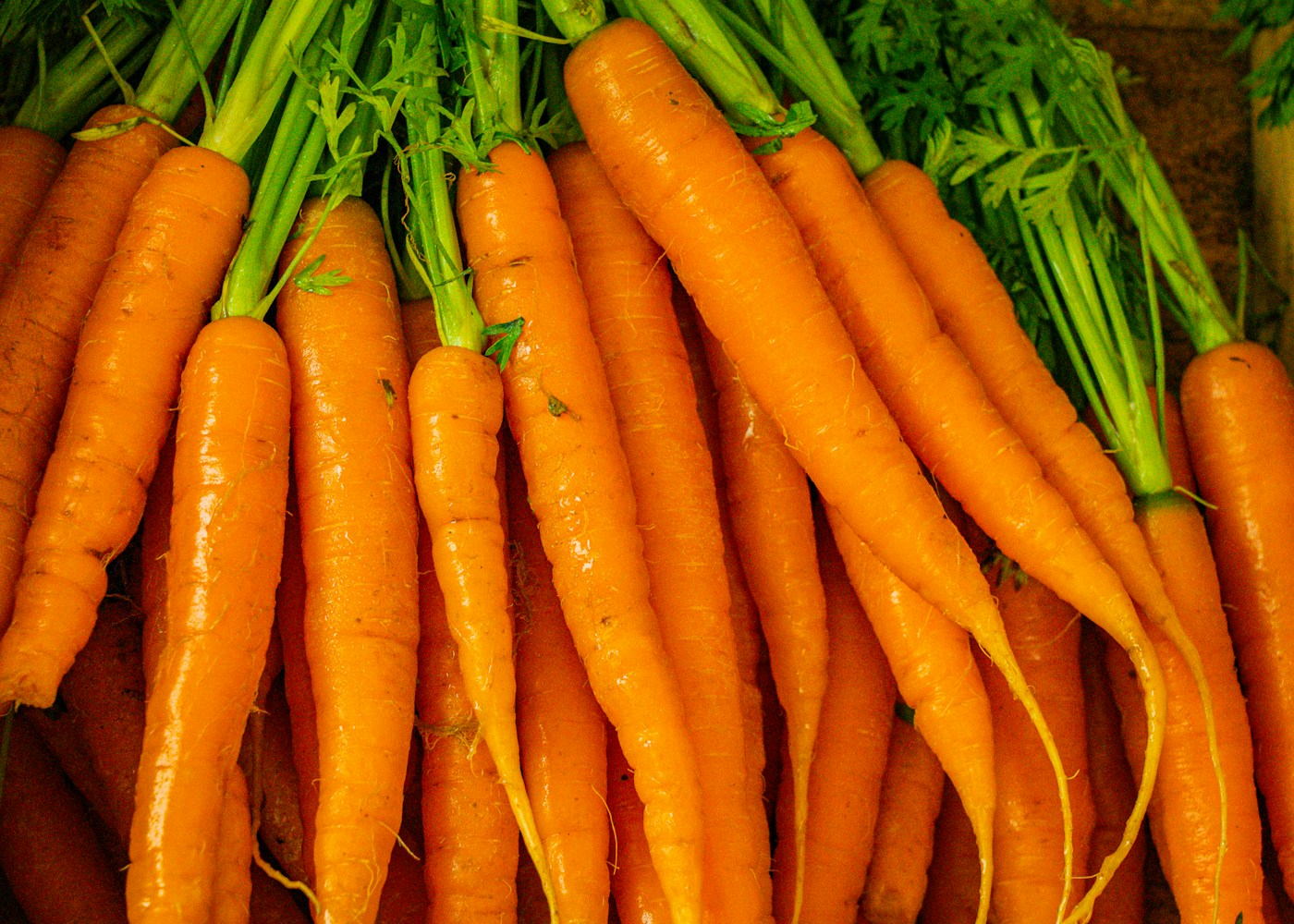
Select a short or medium-rooted variety suited to the container depth. A small straight carrot is a better outcome than a long variety forced to bend against the bottom.
Choose the position and prepare
Place the pot where it receives ample light and can remain undisturbed during germination. Avoid a position where roof runoff repeatedly gouges the surface or a hot wall dries the top layer within hours.
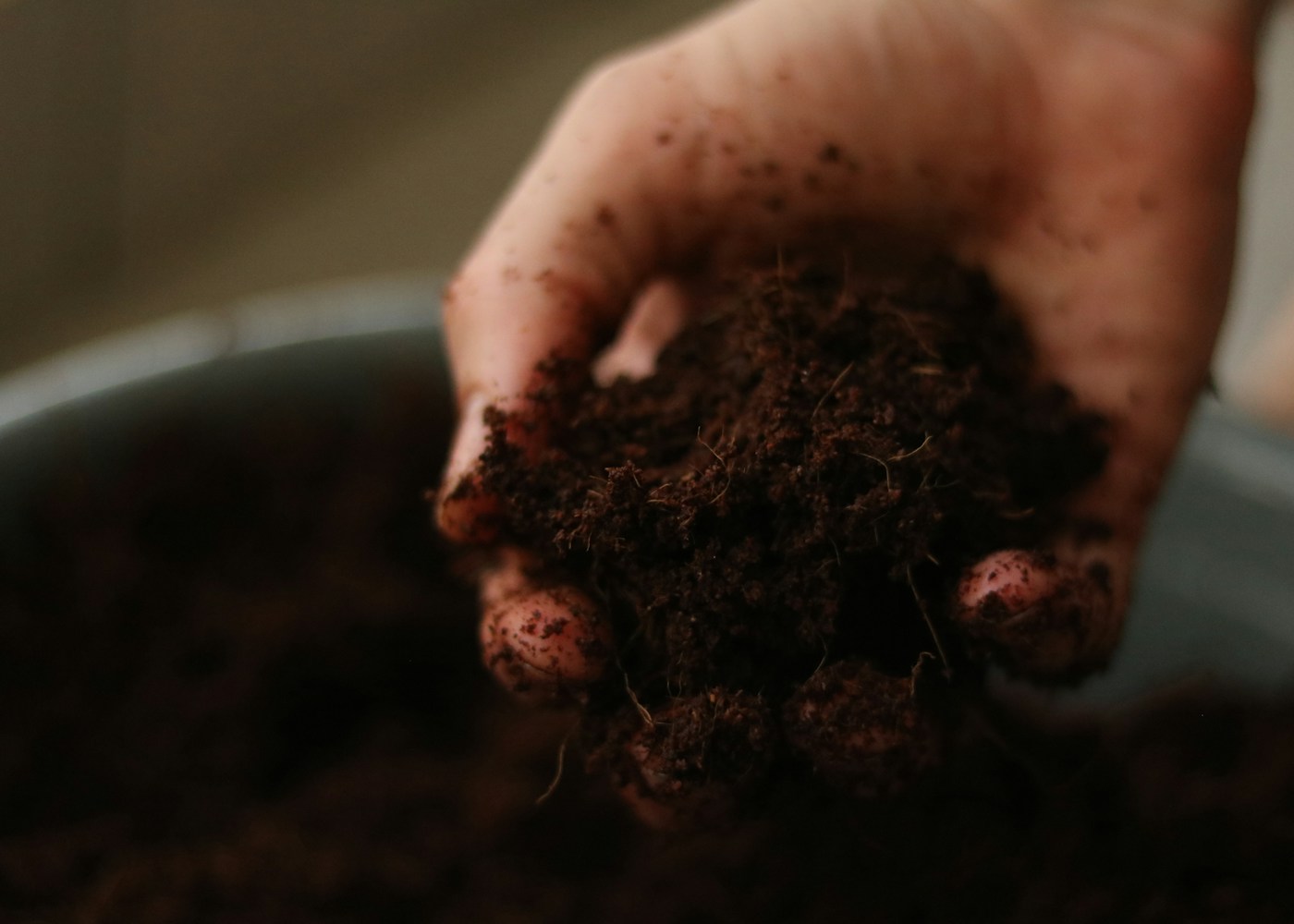
Use a deep draining pot with loose potting mix suitable for edible crops. Remove large woody chunks near the seed surface. Do not place stones in the base to improve drainage; preserve usable root depth.
Sow directly and thin carefully after seedlings establish. Carrot seed can be slow and uneven, so label the pot and maintain attention before visible growth appears. Avoid transplanting a developed taproot.
A manageable care routine
Keep the germination layer consistently moist with gentle watering. Once plants establish, water more deeply and judge moisture through the root zone. Sudden dry and wet extremes make a steady crop harder to achieve.
Use moderate fertility rather than heavy nitrogen feeding. Do not add fresh manure to the pot. If the mix needs supplementary feeding later, follow its label and the product instructions for root vegetables.
Thin before adjacent roots compete heavily, preferably by snipping unwanted seedlings where pulling would disturb neighbours. Keep exposed shoulders covered with a little mix as needed, without burying the foliage base.
Observe before changing the plan
Forking can follow physical obstruction, damaged roots, or unsuitable growing conditions. Sparse germination is often a surface-moisture issue. Before resowing, check whether living seedlings are simply slow rather than assuming every seed failed.
Choose two short-rooted varieties for separate pots and compare root shape, flavour, and time to useful size. Use the same mix and light level so the result tells you something about variety suitability.
Adapt and renew
Carrots grow best when the selected variety and local season align. Read the packet and regional recommendations; growth slows in cold or poor light, and hot containers can be difficult to keep evenly moist.
Loosen the mix before lifting mature roots so tops do not snap off. Harvest a few to judge size and texture, then clear the rest at an appropriate stage. Wash well and remove damaged roots from storage.
Match root length to usable depth
Measure the inside of the container after allowing room for a watering lip and any necessary base structure. That is the depth available to the carrot, not the height advertised on the decorative pot. Choose a variety whose mature root fits comfortably within it. Short-rooted types can be a sensible introduction to container growing because they demand less vertical space.
The container still needs adequate overall volume. A narrow tube may be deep but difficult to water evenly and limited in how many plants it supports. A broad stable pot can provide a more manageable crop, provided its filled weight is suitable for the surface. Place it before filling if moving it later would be difficult.
Avoid using gravel as a supposed drainage cure. It takes away root space and does not replace functioning outlets and an appropriate medium. Check that drainage holes remain open when the pot sits in its final position. Carrots benefit from a loose growing environment, but they cannot use that advantage if water stagnates at the bottom. Container design, root shape, and growing medium should work together from the start.
Give germination a patient, even surface
Carrot seed can take long enough to emerge that the surface is accidentally allowed to dry or is disturbed by a second sowing. Label the date and variety, then maintain gentle consistent moisture. A fine watering rose helps avoid washing tiny seed into clumps. Do not repeatedly dig into the surface to check whether seed is alive, since that can damage emerging roots.
If a temporary cover is used to reduce evaporation, monitor temperature and remove it at the appropriate stage. A sunny container can overheat beneath a sealed cover. Provide enough light once seedlings appear and protect the sowing from heavy runoff or inquisitive animals.
Uneven emergence is not automatically a reason to sow the entire pot again. Wait long enough to assess the first batch, then fill genuine gaps carefully if the season still allows. Keep the new area marked because its harvest timing will differ. The most useful habit is attention before visible growth: a carrot sowing needs care while it still looks like an empty pot. Once seedlings establish, the growing routine changes from protecting the surface to supporting a deeper root system.
Thin before roots become a contest
Young carrot tops are small, so a dense stand can appear harmless. Below the surface, competition is already developing. Thin to the spacing recommended for the variety and intended root size. Snipping unwanted seedlings can reduce disturbance where pulling would lift neighbours. Work carefully and avoid repeatedly brushing or damaging the foliage.
If you want smaller tender roots, closer spacing may be appropriate within the variety guidance, but crowding without a plan is different from deliberately growing a smaller crop. Keep enough room for the roots to enlarge evenly. A pot holding fewer useful carrots is more successful than one full of thin twisted roots that never reach a satisfying size.
As plants grow, check whether shoulders become exposed and add a little appropriate mix where needed. Do not bury the foliage base deeply. Remove weeds early so their roots do not become entangled with the crop. Keep the surface open enough to inspect moisture and growth. These small interventions preserve the container’s main advantage: a controlled, relatively loose root environment that is easier to manage than a stony or compacted patch of ground.
Use water and nutrition with restraint
Carrots need a functioning root zone throughout their development. Water deeply enough to reach it and allow excess to drain. A brief surface splash can keep the top looking cared for while the deeper mix remains dry. Check at a useful depth and account for weather, container material, and plant size.
Avoid adding fresh manure or strong nitrogen feeds in an attempt to produce large roots quickly. Start with an appropriate growing medium and follow its label. If supplementary nutrition is needed, use a suitable product at the recommended rate. Fertilizer cannot compensate for a root bent against the pot base or a row that was never thinned.
When roots are disappointing, inspect the evidence. Forking may reflect obstruction or damage, while thin roots can point toward crowding or insufficient growing time. A single symptom rarely proves one cause. Note the variety, sowing date, container depth, and moisture history before deciding what to change. That information makes the next sowing more deliberate. Avoid changing everything at once, since the crop then teaches little about which adjustment actually helped.
Harvest to learn the variety’s shape
The size of the foliage is not a precise measurement of the root below it. Lift a sample when the crop approaches a useful stage, loosening the mix first if necessary. Pulling hard on the tops can snap them without releasing the carrot. A sample shows root length, shape, texture, and flavour more clearly than any calendar estimate.
If the first roots are good but small, decide whether to harvest gradually or give the remainder more time. Consider the weather ahead and the condition of the plants. Keeping roots in a container is not unlimited storage, particularly where heat, cold, or pests are likely to change conditions. Remove damaged roots from any batch intended for storage and use reliable food-storage guidance.
Wash soil away thoroughly before eating. After the crop ends, inspect the remaining mix and roots for clues. A hard layer, a persistent wet zone, or a cluster of roots against the base can explain uneven results. Record which variety suited the pot and whether the harvested amount was useful. Container carrots are most rewarding when the root shape matches the space, not when the longest possible variety is forced into a container that cannot accommodate it.
Read an uneven carrot harvest
Suppose one side of a carrot pot produces decent roots while the other yields thin forked specimens. Emptying the pot after harvest can be instructive. Look for a dry edge, a compacted layer, large fragments in the mix, or a dense area that was never thinned. Check whether the pot stood unevenly or received roof runoff on one side. The pattern matters more than a single disappointing root.
Keep the successful variety in mind if its shape fitted the container. There is no need to change seed, pot, medium, and sowing date all at once. Choose the most plausible physical improvement and test it in the next suitable season. If the container was simply too shallow, select a shorter-rooted variety or a deeper suitable pot rather than expecting stronger feeding to change root geometry.
Record how the roots were used in the kitchen. A modest crop of small tender carrots can be worthwhile even when it does not resemble a supermarket bunch. The useful comparison is with the space, care, and enjoyment involved. If the harvest was too small to justify the effort, grow a more appropriate crop in that position. Container gardening allows that flexibility. The aim is to learn which combination of root shape, available depth, moisture, and harvest timing works reliably, then repeat the useful parts without preserving an arrangement that consistently makes the crop struggle.
Further reading
Horticultural references for continued learning: