A practical place to begin
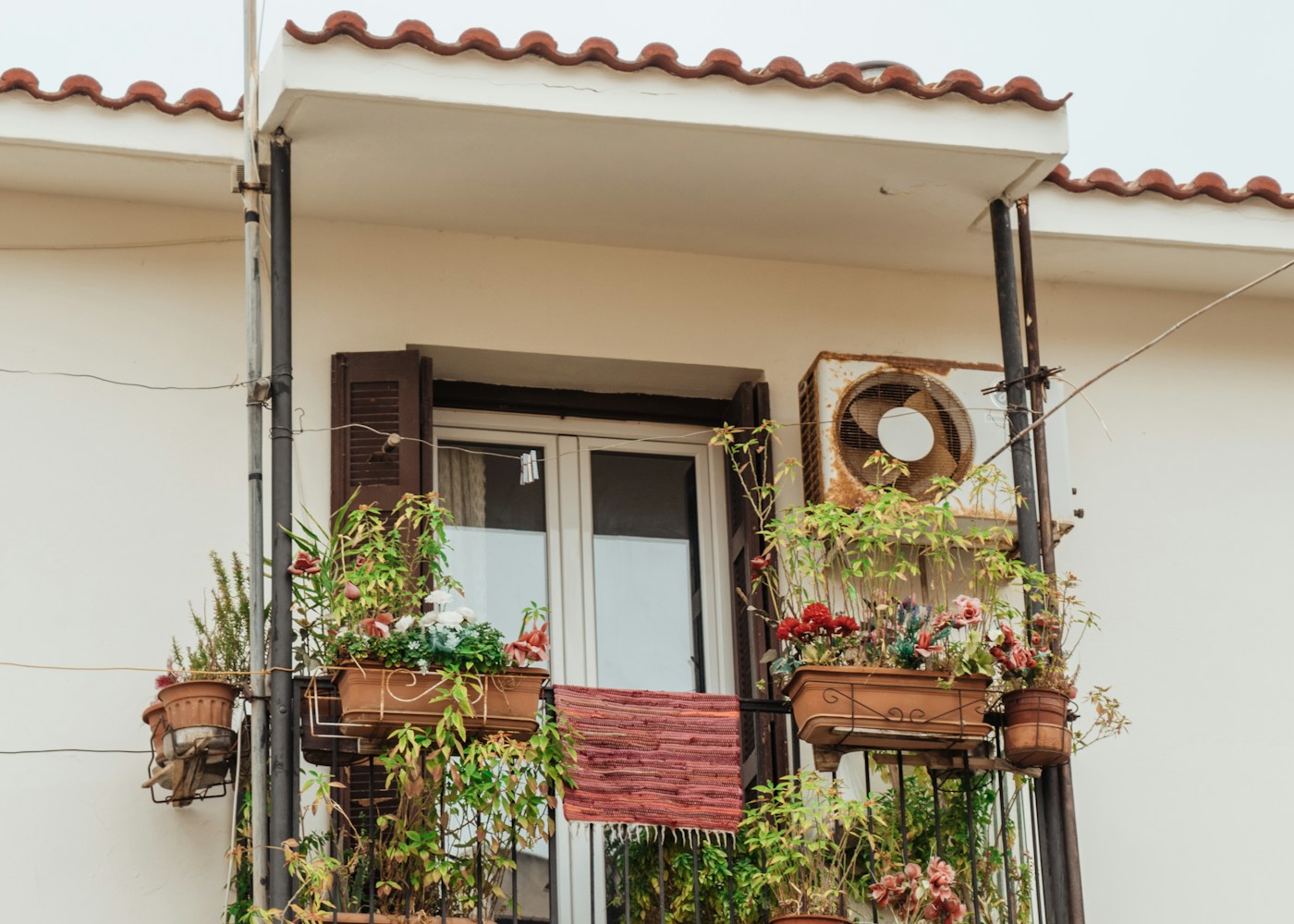
A balcony can be bright, warm, and almost impossible to garden on. The missing part of the picture is often wind. Gusts strip moisture from leaves, tip lightweight pots, and turn a tall decorative screen into a sail. A good windbreak softens that movement without sealing the balcony into a hot box.
Protect a small growing area while keeping the exit, drainage outlets, and railing inspection points accessible. The best result is less leaf movement and steadier moisture, rather than complete stillness.
Choose the position and prepare
Observe gusts at pot height, seat height, and the upper railing. Air can curl around a building corner even when the balcony appears sheltered from the prevailing wind. Note which direction leaves bend after a gust.
Use a purpose-made permeable screen with fixings approved for the balcony structure. Do not attach heavy planters to a railing without permission and a load assessment. Tall plants belong in stable containers below the edge.
Start with a short section of screen near the worst exposure. Keep an opening for ventilation and avoid fastening anything to shared cladding. Place existing pots behind the trial section before buying more plants.
A manageable care routine
Feel the growing medium on both sides of the windbreak. The exposed side may still dry much faster. A screen reduces air movement, but it cannot replace a properly sized root volume or dependable watering.
Feed the plants according to their species and the potting mix label. Wind damage is not a nutrient deficiency. Extra fertilizer cannot repair torn leaves and can add stress if a dry root ball concentrates salts.
Look at fastenings after strong weather, remove loose decorations, and keep the most valuable plants where they can be moved quickly. Prune for stable plant shape rather than simply allowing a dense wall of foliage to build.
Observe before changing the plan
Leaf edges that brown mainly on the exposed side suggest wind or salt exposure, particularly near the coast. A screen that flaps violently or makes the railing move is a structural warning, not a plant-care problem.
Compare two similar pots at similar light levels, placing one behind the screen. Check moisture and leaf movement over several weather changes. If protection improves drying without making the area stagnant, extend the same approach gradually.
Adapt and renew
Review the arrangement before storm seasons and remove temporary screening when local building guidance requires it. In hot climates, check that a summer windbreak does not trap reflected heat against glass.
A successful balcony remains comfortable to use and easy to maintain. Choose a lower, open arrangement if a large screen makes the structure harder to inspect, shade becomes excessive, or gusts still strike from above.
Read the balcony as a moving-air space
Stand inside the doorway and watch the plants during an ordinary breezy period. Then repeat the observation when the forecast reports stronger gusts. A windbreak designed around one calm afternoon can miss the direction that matters. Leaves near a building corner may whip sideways while a plant in the centre barely moves. Use these observations to draw arrows on a simple plan. There is no need to attach loose ribbons or leave measuring equipment outside. Distinguish a continuous breeze from occasional violent pulses, because the second calls for a more conservative layout. If the exposed area is uncomfortable to stand in, avoid making it the home of a tall, top-heavy plant merely because it receives the most sun.
Why solid panels can disappoint
A fully solid barrier sends air around its edges and over its top. That can create a sheltered pocket, but it can also create turbulent areas immediately beside it. A permeable material slows some of the flow while allowing some through. The exact result depends on height, openings, and the surrounding building, so no universal screen dimension can guarantee calm. Follow product guidance and building rules instead of treating a photograph as a construction drawing. A balcony is part of a building envelope, and the consequences of a failed fixing extend beyond the plants. If an installation needs a large panel, unusual brackets, or a change to the railing, obtain qualified advice before proceeding.
Arrange the planting behind the protection
Think in layers of height without creating a dense solid hedge. A broad low container can hold a compact specimen near the front, with slightly taller plants farther back where they are stable and reachable. Leave enough room to turn each pot and inspect its drainage. Do not position a valuable plant so close to screening that moving leaves repeatedly rub against the material. Abrasion can damage foliage even after the strongest gusts have been reduced. The protected area may also receive less light, so check whether the chosen plants still suit it. If a screen solves wind but makes every plant stretch toward the balcony edge, a lower screen or a different planting choice may work better.
Separate thirst from physical injury
After a windy day, inspect the growing medium before watering. A torn leaf will remain torn after a drink, and brown edges can have several causes. Compare damage on the windward and sheltered sides, check whether the pot shifted, and look for a root ball that has pulled away from the container wall. If the mix is dry, rewet it thoroughly and safely. If it is moist, investigate exposure and stability instead. Keep a photograph of the damaged foliage so later checks focus on whether new injury appears. Removing every imperfect leaf immediately can hide the evidence and reduce the plant’s working leaf area without addressing the cause.
Make the storm routine short
A useful balcony arrangement has a simple response to severe weather. Identify the movable pots, the loose items to bring in, and the route through the doorway. Keep plant movers suitable for the weight and surface; a full container can be much heavier than it looks. Do not wait for strong winds to begin before attempting awkward lifts. Screening that is intended to be temporary should be removable in accordance with its instructions. Store ties and parts together so reinstallation does not become improvised. Check drainage outlets after the event, since fallen leaves can collect behind pots. A plant display that requires an unsafe last-minute climb or reach needs redesigning before the next forecast.
Judge success through the whole growing area
A windbreak has succeeded when plants remain stable, moisture checks become more predictable, and the balcony is comfortable to use. Do not judge only by the most sheltered pot. Check the ends of the screen, the doorway, and the neighbouring plants for redirected air. Notice whether damp foliage now remains wet for long periods, especially in a crowded corner. Leave ventilation and reduce density where needed. Keep a short record of screen position, weather, and plant response through several weeks. If the benefit is small, removing an unsuitable arrangement is a useful result. A low collection of wind-tolerant plants may be more dependable than trying to turn a very exposed balcony into a greenhouse.
Choose plants for the whole position
Compact plants with a stable framework generally make a wind-exposed collection easier to manage than tall soft growth balanced on small pots. That does not make every small-leaved plant suitable for every balcony. Light, winter temperature, salt exposure, and watering needs still matter. Buy for the complete position rather than a single claim about wind tolerance. Look at mature size and consider whether the plant can be moved if the building requires access to the railing or façade. A pot permanently wedged behind screening is difficult to inspect and can conceal drainage problems.
A practical shopping test is to describe the position before naming a plant: bright morning sun, gusts from one side, shelter from overhead rain, and limited indoor winter space. These details make nursery advice more useful. Avoid adding a tall specimen simply to hide an unattractive screen. If the structure needs a large plant to look acceptable, redesign the structure first. The plant should be a healthy part of the composition rather than a living repair for a decision that does not suit the space.
After the arrangement settles, inspect new leaves and root-zone moisture rather than expecting damaged foliage to become perfect. New growth without fresh tearing is a more useful sign than one photograph. Keep the screen clean enough for air to pass through and include the checks in ordinary watering. A balcony garden faces a changing environment, so a successful windbreak remains an adjustable tool. At least once each growing season, lift movable pots and inspect the surface beneath them. Look for blocked drains, retained moisture, and roots emerging from holes. A design that makes this check easy is likely to stay manageable after the plants grow.
A useful two-week comparison
Suppose a pair of similar leafy plants sits on opposite sides of a balcony. The exposed plant dries rapidly and shows torn leaf edges, while the sheltered one remains in better condition. Before buying a taller screen, check whether the pots receive comparable light and contain similar growing medium. If those factors differ greatly, the comparison cannot isolate wind. Move only one manageable variable and watch the result through several ordinary weather changes.
A trial screen placed safely within the approved arrangement might reduce leaf movement without solving the drying problem. That suggests the root volume or direct heat also needs attention. Alternatively, the pot may remain moist for longer while new damage stops appearing, which is stronger evidence that reduced wind is helping. Keep the older damaged leaves in the photographic record so they are not mistaken for continuing injury.
At the end of the trial, decide whether to extend protection, change plant choice, or simplify the collection. Include comfort and maintenance in the decision. A screen that protects one pot but makes the doorway awkward or hides a drainage outlet is not a complete solution. If the balcony remains too exposed for a preferred species, choose a plant better suited to it rather than escalating the structure indefinitely. Gardening success includes recognising the limits of a position. Recheck the trial after the plants grow larger, because a fuller canopy changes both water demand and the way wind moves through the display.
Further reading
Horticultural references for continued learning: