A practical place to begin
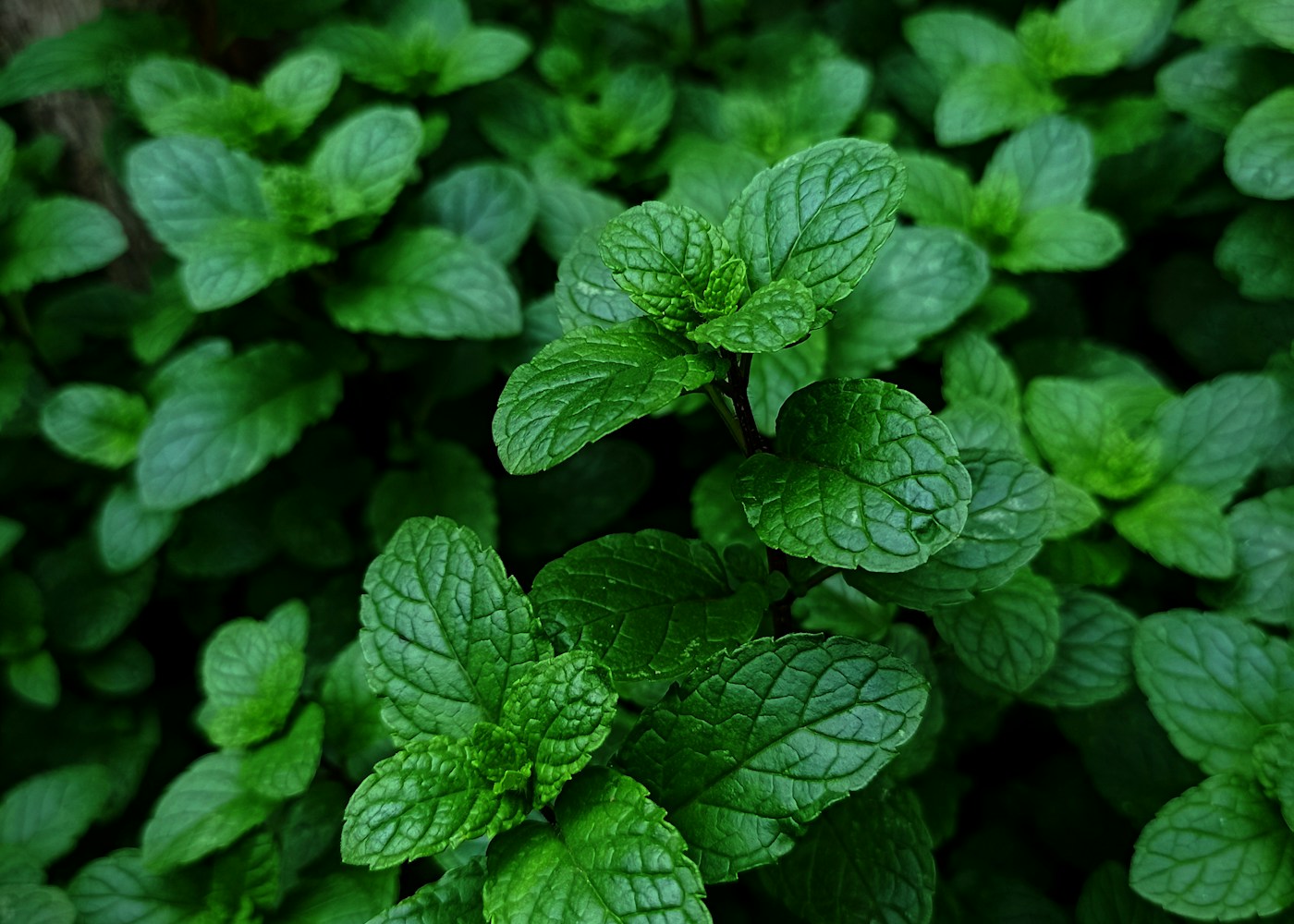
Mint often arrives as a tiny plant and behaves as if it has been promised the entire garden. Its spreading stems are useful when a patch needs renewing, but inconvenient beside slower herbs. A separate pot turns that energy into a manageable supply of young aromatic shoots.
Grow a correctly identified culinary mint that you enjoy using. A label matters: not every plant sold or described as mint is suitable for eating. Buy a named culinary variety from a reputable supplier.
Choose the position and prepare
Place the pot where it receives sun or light partial shade and can be reached for picking. Keep drainage holes above paving rather than directly over a bed where escaping roots can establish.
Use a generous container with drainage and a moisture-retentive potting mix. Give mint its own root space instead of combining it with herbs that prefer drier conditions. A shallow saucer can protect paving if it is emptied after watering.
Plant at the nursery depth, settle the mix around the roots, and water thoroughly. Keep the original variety label. If starting from a division, retain several healthy shoots and roots rather than relying on a bare woody fragment.
A manageable care routine
Check frequently during active growth, especially when the foliage fills the pot. Mint dislikes repeatedly drying to a crisp, but stagnant water around roots is also harmful. Water the mix rather than constantly misting aromatic leaves.
Use moderate feeding during active growth according to the product label. Inspect root congestion when growth weakens. A pot packed with old runners often needs division and fresh mix more than it needs repeated fertilizer.
Pick shoot tips above a pair of leaves to encourage branching. Turn the pot occasionally if growth leans toward light. Cut back tired stems and remove fallen leaves so the centre stays easy to inspect.
Observe before changing the plan
A shrinking patch with bare woody centres may be congested. Rust-coloured spots need closer inspection and removal of affected growth; avoid moving questionable divisions to other pots. Do not use homemade sprays on leaves intended for eating.
Compare the regrowth after light tip picking with one stem allowed to flower. Decide how much flowering to retain for insects and how much leafy growth you want for the kitchen. The plant can serve both purposes without covering every nearby container.
Adapt and renew
Many common culinary mints die back in cold weather and return in spring. Protect container roots according to local temperatures, and do not assume dormant top growth means the pot needs constant water or immediate replacement.
Lift and divide an established clump when it becomes crowded, keeping vigorous outer pieces. Replant a manageable portion and dispose of unwanted runners responsibly. Never dump living mint where it could spread into natural areas.
Buy flavour deliberately
Mint is unusually rewarding to choose in person because scent, leaf texture, and flavour vary so much. Read the botanical and variety label, then choose a recognised culinary plant from a reputable nursery. Keep that label after planting. A common name or a mint-like smell is not enough to establish that an unknown plant is edible. If you want several flavours, grow them in separate labelled pots so their spreading growth does not make identification difficult. Buying one plant you will actually use is better than collecting varieties for names alone. Think about whether you want leaves for cooking, drinks, or a scented ornamental pot, and let that purpose guide the choice.
Contain the escape routes
The pot itself is only part of containment. Stems can trail over the rim and root where they touch damp soil, while roots may find their way through drainage holes. Place the container on a hard surface with access beneath it, and lift it occasionally to inspect. If you sink a pot into a bed, understand that it may not remain a permanent barrier. Inspect the rim and surrounding soil for shoots rather than assuming the hidden pot has solved spreading forever. Dispose of divisions and runners through an appropriate garden-waste system. Throwing unwanted living fragments behind a fence moves the problem somewhere else and may allow a vigorous plant to establish outside cultivation.
Match the pot to a thirsty canopy
A lush plant can carry a surprising amount of leaf area above a fairly small root ball. When the canopy fills out, water use can increase even if the weather has not changed much. Check the pot more often during that stage. A larger suitable container can buffer moisture better than repeated emergency watering in a tiny nursery pot, but it must still drain. Give the mix a thorough drink when needed and let excess water escape. If water runs straight down the side of a very dry root ball, apply it in stages and verify that the centre has rewetted. Do not infer success simply from a wet saucer.
Build a useful cutting habit
Pick stems that leave healthy growth points below the cut. Taking scattered shoot tips encourages a branching plant and spreads the harvest across the pot. If one side grows rapidly toward light, turn the container where practical rather than repeatedly cutting the same nearest stems. Decide how much flowering to allow. Flowers can be useful to visiting insects, while a plant grown mainly for tender leaves may be managed differently. You can retain a few flowering stems and continue picking elsewhere. Avoid severe harvesting when the plant is already dry or recovering from damage; let it regain active growth before asking it to replace a large amount of foliage.
Renew the crowded centre
An old mint pot often contains a dense network of runners and less fresh growing medium than expected. When watering becomes difficult and growth weakens despite suitable conditions, inspect the root system. During an appropriate growing period, divide the clump and keep healthy vigorous pieces. Replant only what the container can support, using fresh suitable mix. There is no obligation to preserve every fragment. Clean tools between questionable plants and avoid sharing divisions from a pot with unexplained disease symptoms. Renewal is a practical way to manage vigour, not a failure to keep an old plant intact. A smaller healthy division can quickly become more useful than a congested neglected clump.
Read the dormant season correctly
Many common mints retreat below ground during cold weather. Mark the pot clearly so bare-looking mix is not mistaken for an abandoned container. Check moisture occasionally, but recognise that a dormant plant uses less water than a full summer canopy. Container roots may need protection from severe local cold even when the variety is considered hardy in the ground. In a warm climate, the seasonal pattern may be different, so observe the plant rather than forcing a winter schedule. When new shoots return, remove dead material and assess whether division is needed. Fresh growth is a useful moment to rebuild a compact productive plant before vigorous runners fill the pot again.
Fit the harvest to the kitchen
It is easy to grow more mint than a household uses. Before adding another pot, notice how often the current plant is picked and which flavour is preferred. A healthy compact specimen near a convenient door is often more useful than a large inaccessible patch. Cut only what you expect to use and wash leaves before preparing food. If preserving a harvest, follow a reliable food-storage method rather than assuming aromatic leaves cannot spoil. Observe any harvest interval required by a labelled treatment.
When growth becomes vigorous, a planned cutback is easier than occasional severe stripping. Choose a time when the plant is actively growing and adequately watered, retain viable growth, and allow recovery. If a pot has been neglected through heat, restore healthy conditions before making a large harvest. Thin weak or dead stems to improve access rather than trimming the outside into a dense shell that hides a bare centre.
Mint makes a useful lesson in responsible propagation. A division may be welcome to another gardener, but label it accurately and share only healthy material. Include the fact that it spreads and is best managed deliberately. Do not pass on an unknown variety as culinary merely because it smells familiar. Keep identity, containment, and health together. When disposing of an old plant, inspect the pot for living runners and clean it before reuse. A few overlooked shoots can quickly reappear in a new planting. Renewing a mint container is a chance to retain the plant you want and remove the tangle you no longer need, rather than transferring the whole problem into a larger pot.
When a mint pot stops responding
Imagine a mint plant that produced vigorous shoots early in the season but now has sparse leaves and a hard tangle at the surface. Repeated feeding has not improved it. Before increasing the dose again, inspect moisture and root congestion. The pot may contain so many runners that little usable growing medium remains, and water may be bypassing the centre.
During an appropriate growing period, lift the plant and examine healthy outer portions. Keep a manageable division with sound roots and shoots, discard unwanted material responsibly, and replant into suitable fresh mix. Do not preserve every old stem merely because it was once productive. Water the renewed planting appropriately and let it establish before taking a substantial kitchen harvest.
Keep the variety label with the new division and inspect drainage holes as growth resumes. A renewed pot can become vigorous again, so containment remains part of the routine. If the original plant showed unexplained spots or decay, obtain a diagnosis before sharing divisions or using the same approach for every pot. A healthy named replacement may be more sensible than propagating a questionable clump. The important distinction is between a plant needing ordinary nutrition and a root system needing renewal. Learning to recognise that difference saves time and prevents a cycle in which more fertilizer is repeatedly applied to a container whose physical growing environment no longer supports good growth.
Further reading
Horticultural references for continued learning: